Formation & Members
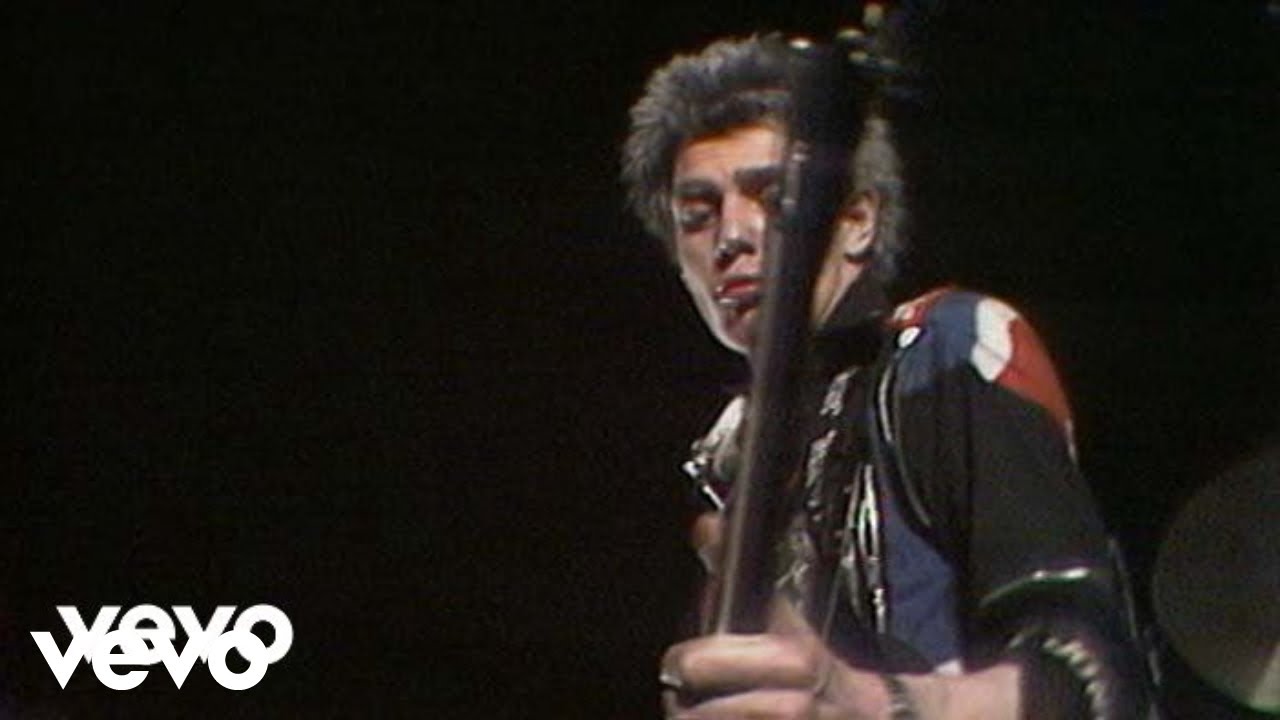
The Clash, often hailed as “The Only Band That Matters,” emerged from the vibrant punk scene of 1970s London. Formed in 1976, the band was a powerful force in the burgeoning punk and post-punk movements. The core lineup consisted of Joe Strummer (vocals, rhythm guitar), Mick Jones (lead guitar, vocals), Paul Simonon (bass guitar, backing vocals), and Topper Headon (drums). The band’s formation was catalyzed by their shared passion for music and a desire to challenge the status quo of rock music at the time.
Joe Strummer, born John Mellor, was the charismatic frontman whose politically charged lyrics and passionate delivery became defining characteristics of The Clash. Mick Jones brought a melodic sensibility and a knack for crafting anthemic riffs that were crucial to the band’s sound. Paul Simonon, originally a guitarist, was persuaded to switch to bass, quickly becoming a key visual and musical element of the group. Topper Headon joined later, providing the band with a dynamic and versatile rhythm section that propelled their genre-blending sound.
Musical Style & Characteristics
The Clash were known for their eclectic musical style, which transcended the boundaries of punk rock. While rooted in the raw energy and simplicity of punk, they incorporated elements of reggae, ska, dub, funk, and rockabilly, creating a sound that was both diverse and cohesive. This fusion of styles was not only innovative but also reflected the multicultural landscape of London, where the band members were deeply influenced by the sounds of immigrant communities.
Joe Strummer’s lyrics tackled a wide range of subjects, from political activism and social justice to personal introspection and urban life. His distinctive vocal delivery, combined with Mick Jones’ melodic guitar work and the tight rhythm section of Simonon and Headon, gave The Clash a unique sound that was both abrasive and accessible. The band’s ability to blend aggression with melody and their penchant for storytelling through music set them apart from their contemporaries.
Key Works & Discography
The Clash’s discography is a testament to their evolution as musicians and their commitment to pushing the boundaries of punk rock. Their self-titled debut album, released in 1977, was a raw and powerful statement that captured the energy of the punk movement. Songs like “White Riot” and “London’s Burning” established them as a force to be reckoned with.
Their second album, Give ‘Em Enough Rope (1978), saw the band refining their sound and expanding their musical palette. However, it was their third album, London Calling (1979), that solidified their place in rock history. A double album filled with a diverse array of genres, London Calling featured tracks like “Clampdown,” “Spanish Bombs,” and the iconic title track, which resonated with audiences worldwide.
In 1980, The Clash released Sandinista!, a triple album that further explored their diverse influences and political themes. While it was met with mixed reviews, it showcased the band’s willingness to experiment and take risks. Their final studio album, Combat Rock (1982), produced hits like “Rock the Casbah” and “Should I Stay or Should I Go,” achieving commercial success and cementing their status as rock icons.
Influence on Other Bands/Scenes
The Clash’s impact on the music world extends far beyond their own recordings. They were instrumental in bridging the gap between punk and other musical genres, influencing countless artists across different scenes. Bands like The Police, U2, Rancid, and Green Day have cited The Clash as a major influence on their music and ethos. The band’s willingness to incorporate diverse musical elements into their work inspired a generation of musicians to explore new sounds and break free from genre constraints.
The Clash also played a pivotal role in popularizing reggae and ska within the rock community, bringing attention to these genres and their cultural significance. Their commitment to social and political causes, as well as their advocacy for anti-racism and unity, resonated with audiences and inspired other bands to use their platform for activism.
Breakups or Reunions
The Clash experienced several internal tensions and lineup changes throughout their career. Topper Headon’s struggles with addiction led to his departure in 1982, and Mick Jones was dismissed from the band in 1983 due to creative differences. These departures marked the beginning of the end for The Clash, and despite attempts to continue, the band officially disbanded in 1986.
Though the original lineup never reunited, the members occasionally collaborated on various projects. Joe Strummer pursued a solo career and formed the Mescaleros, while Mick Jones went on to form Big Audio Dynamite. Despite the lack of a formal reunion, The Clash’s music continued to resonate with fans old and new, maintaining their legacy as one of the most influential bands in rock history.
Current Reputation & Legacy
The Clash’s reputation as a pioneering force in punk and rock music has only grown since their disbandment. They are often cited as one of the greatest and most influential bands of all time, with their music continuing to inspire new generations of artists and fans. Their political and social messages remain relevant, and their willingness to experiment with different styles has kept their catalog fresh and exciting.
In 2003, The Clash were inducted into the Rock and Roll Hall of Fame, a testament to their enduring influence and significance. Their albums frequently appear on “best of” lists, and they are celebrated for their ability to transcend the punk genre and create music that is both timeless and impactful.
Conclusion
The Clash’s legacy as a pioneering and innovative band remains firmly intact. They were more than just a punk band; they were a cultural phenomenon that challenged conventions and inspired change. Their music, message, and ethos continue to resonate with audiences, proving that The Clash truly were “The Only Band That Matters.”
Band facts
| Formed | 1976 |
|---|---|
| Disbanded | 1986 |
| Origin | London |
| Genres | punk rock / new wave / ska / reggae / post-punk |
| Labels | Sony Music / Columbia Records |
| Members | Joe Strummer / Mick Jones / Paul Simonon / Topper Headon / Terry Chimes / Keith Levene |
Sources: Wikidata / MusicBrainz
Discography
| Year | Type | Title |
|---|---|---|
| 1977 | Album | The Clash |
| 1978 | Album | Give ’Em Enough Rope |
| 1979 | Album | London Calling |
| 1979 | EP | The Cost of Living E.P. |
| 1980 | Album | Sandinista Now! |
| 1980 | Album | Sandinista! |
| 1980 | Soundtrack | Soundtrack From the Movie Rude Boy |
| 1982 | Album | Combat Rock |
| 1985 | Album | Cut the Crap |
| 1992 | Interview | Clash on Broadway: The Interviews |
| 2003 | Album | Rat Patrol From Fort Bragg |
| 2010 | Spokenword | Raw and Unfiltered: The Interviews |
| 1979 | Live | I Fought the Law |
| 1980 | Live | 1980-05-20: Markethalle, Hamburg, Germany |
| 1980 | Compilation | Black Market Clash |
Show all
| Year | Type | Title |
|---|---|---|
| 1981 | Live | 1981-10-22: Live at the Lyceum, London |
| 1981 | Live | Up and at Em! |
| 1982 | Live | The Boston Tapes 1982 |
| 1984 | Compilation | A Fashion Mall Production |
| 1984 | Live | Five a Live |
| 1986 | Live | Back to Basics |
| 1986 | Compilation | The 12" Tape |
| 1988 | Compilation | The Story of The Clash, Volume 1 |
| 1989 | Compilation | Crucial Music: The Clash Collection |
| 1989 | Compilation | Solid Gold |
| 1990 | Compilation | 1977 Revisited |
| 1990 | Live | 1979‐09‐21: The Guns of Brixton: The Palladium, New York, NY, USA |
| 1991 | Live | 1984‐02‐17: Out of Control: Johanesshov Isstadion, Stockholm, Sweden |
| 1991 | Compilation | Clash on Broadway |
| 1991 | Compilation | Clash on Broadway: The Trailer |
| 1991 | Compilation | Il grande rock: The Clash |
| 1991 | Live | Live USA |
| 1991 | Compilation | The Collection |
| 1991 | Compilation | The Singles |
| 1992 | Live | Into the 80’s |
| 1992 | Live | Yellow Riot |
| 1993 | Compilation | Super Black Market Clash |
| 1994 | Live | Live at Mont de Marsan |
| 1994 | Live | Police and Thieves |
| 1995 | Live | Acoustic Daze (Gate’s Head Station 1995‐11‐05) |
| 1995 | Live | France 1981 |
| 1996 | Live | 5 Go Mad in the Roundhouse |
| 1999 | Live | From Here to Eternity: Live |
| 1999 | Compilation | Rockers Galore |
| 2002 | Compilation | Clash On Broadway 4: The Outakes |
| 2002 | Compilation | Rebellos Garajos (Demos & Outtakes) 1977–1984 |
| 2003 | Compilation | Deadly Serious |
| 2003 | Compilation | Last Gang In Town |
| 2003 | Compilation | Rude Boy – The Directors Cut |
| 2003 | Compilation | The Essential Clash |
| 2004 | Compilation | The Collection |
| 2004 | Compilation | The Vanilla Tapes |
| 2005 | Compilation | If Music Could Talk, Vol. 1 |
| 2006 | Compilation | If Music Could Talk, Vol. 2 |
| 2006 | Compilation | The Singles |
| 2007 | Compilation | London Calling / Combat Rock |
| 2007 | Compilation | The Clash / Give ’Em Enough Rope |
| 2007 | Compilation | The Singles |
| 2008 | Live | Live at Shea Stadium |
| 2008 | Live | Revolution Rock |
| 2009 | Compilation | Lost Treasures |
| 2013 | Compilation | 5 Studio Album CD Set |
| 2013 | Compilation | Hits Back |
| 2013 | Compilation | Sound System |
| 2013 | Compilation | Sound System Extras |
| 2019 | Compilation | The Only Band That Matters The Legendary Broadcasts |
| 2020 | Live | Charlie Don’t Surf |
| 2020 | Live | Clampdown |
| 2020 | Live | Clash City Rockers |
| 2020 | Live | Jimmy Jazz – Part One |
| 2020 | Live | Jimmy Jazz – Part Two |
| 2020 | Live | Live at the NY Palladium ’79, Part 1 |
| 2020 | Live | Live at the NY Palladium ’79, Part 2 |
| 2020 | Live | Live in New Jersey |
| 2020 | Live | Live in New York ’79 |
| 2020 | Live | Live in San Bernardino |
| 2020 | Live | Live in Tokyo ’82 |
| 2020 | Live | Live on Radio California ’83, Part 1 |
| 2020 | Live | Live on Radio California ’83, Part 2 |
| 2020 | Live | New Jersey 1980, Part 1 |
| 2020 | Live | New Jersey 1980, Part 2 |
| 2020 | Live | New York 1979, Part 2 |
| 2020 | Live | Radio Clash |
| 2020 | Live | San Bernardino 1983, Part 1 |
| 2020 | Live | San Bernardino 1983, Part 2 |
| 2020 | Live | Stay Free – Part Two |
| 2020 | Live | The New Jersey Sessions |
| 2022 | Compilation | Combat Rock + The People’s Hall |
| Compilation | 1977 | |
| Compilation | Clash on Broadway Outtakes | |
| Compilation | D.O.A. | |
| Compilation | Disco Clash | |
| Compilation | For All the Young Punks / Demo Collection | |
| Compilation | From Here to Eternity II (an outtake compilation) | |
| Compilation | Golden Bullets | |
| Compilation | Live in Paris & Demo 1976 | |
| Compilation | Radio Brixton | |
| Compilation | Rocker Station | |
| Compilation | Street Rats | |
| Compilation | “Give ’Em Enough Rope” Demos + Outtakes |
Streaming
Venues where this band has played
- 100 Club — City of Westminster / United Kingdom
クラッシュ T-shirts
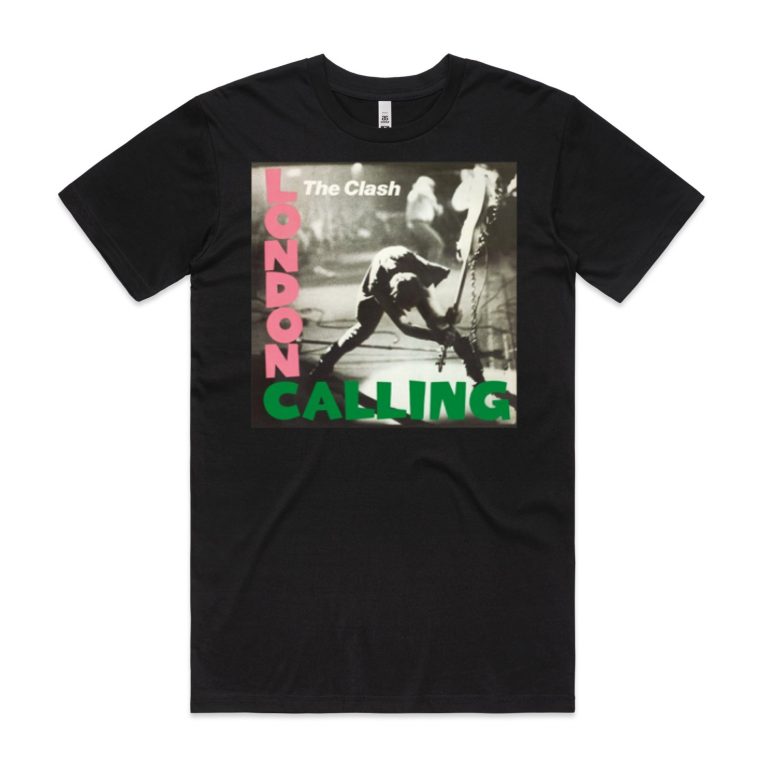
THE CLASH ‘LONDON CALLING’ T-SHIRT
2026 Current
Listed price $23.00 (approx. ¥3,500)
View detailsShips from: United States / shipping not included
Visit store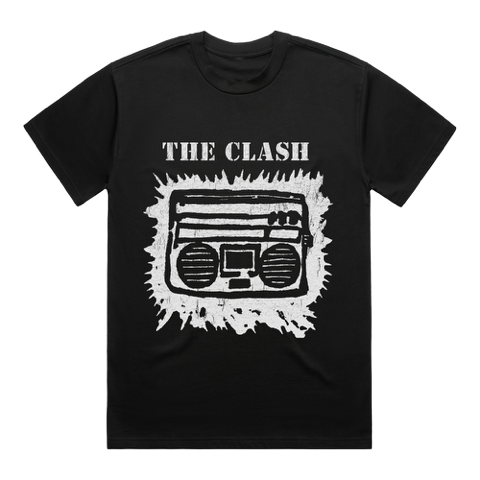
The Clash Black Boombox T-Shirt
2025 Current
Listed price £30.00 (approx. ¥5,700)
View detailsVisit storeクラッシュ Records
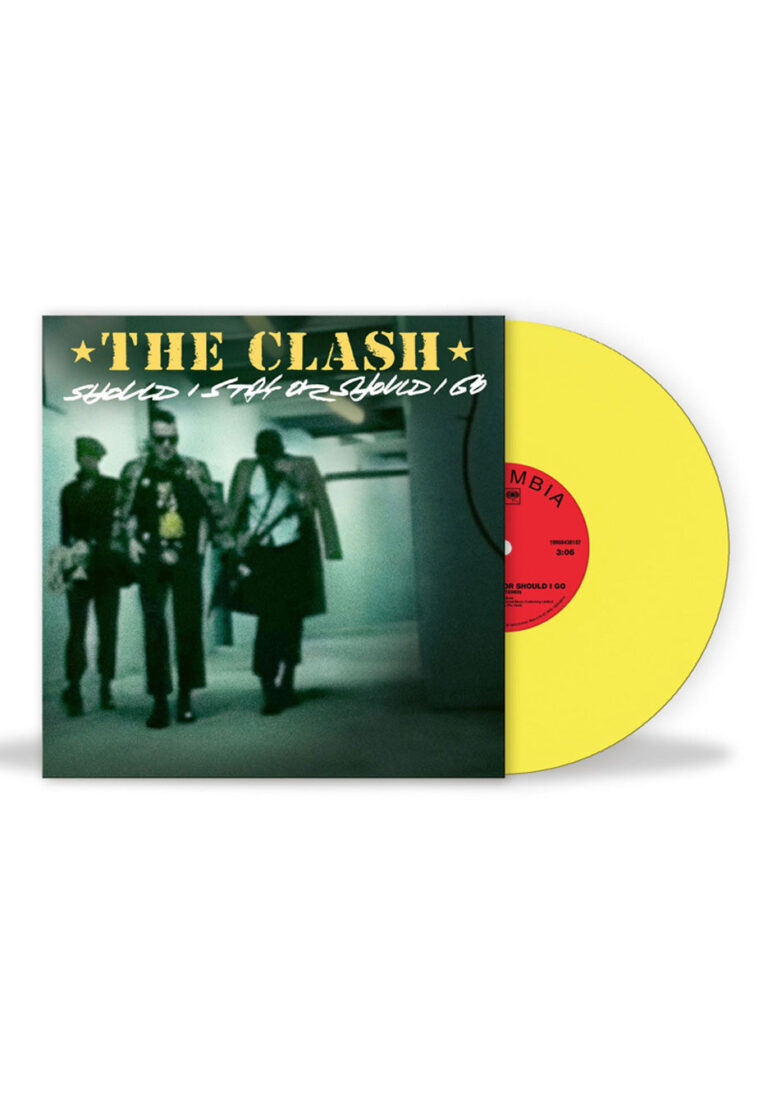
The Clash Should I Stay Or Should I Go Ltd. Sunshine Yellow – Colored 7 Inch
2026 The Clash / Reissue
Listed price $18.99 (approx. ¥2,800)
View detailsShips from: Germany / shipping not included
Visit store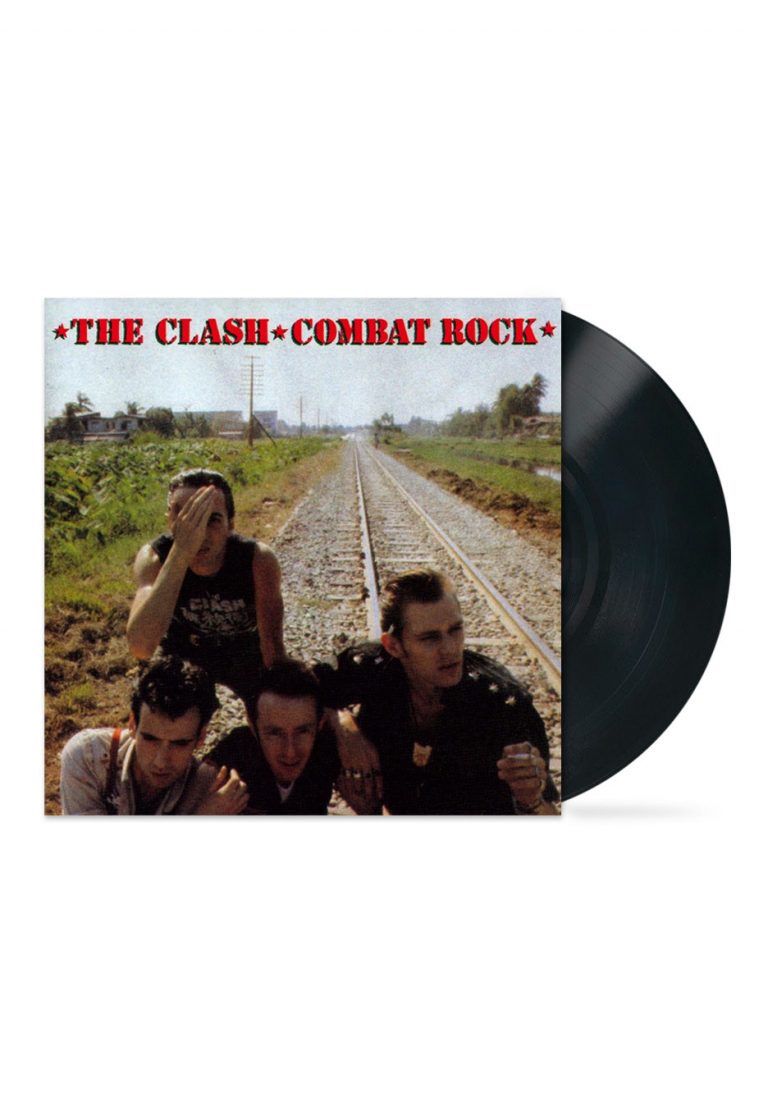
The Clash Combat Rock – Vinyl
2026 The Clash / Current Edition
Listed price $26.99 (approx. ¥4,000)
View detailsShips from: Germany / shipping not included
Visit store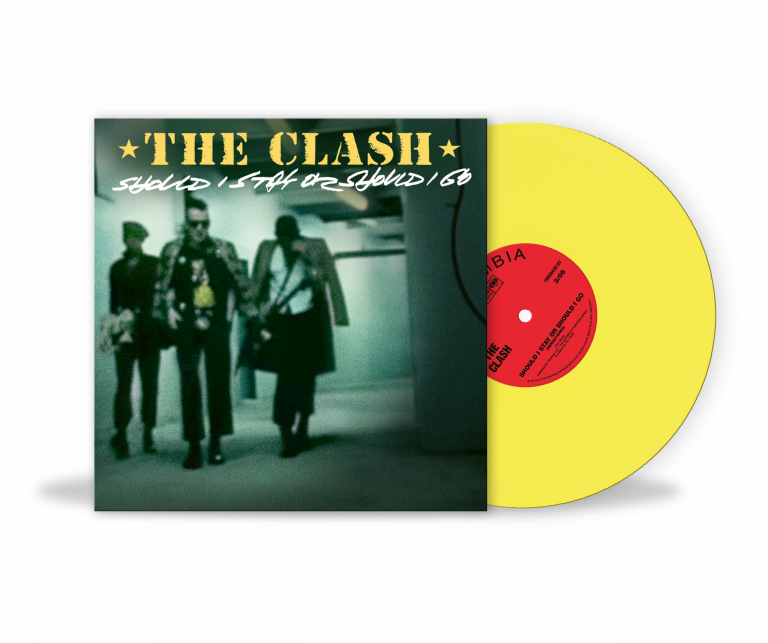
Should I Stay Or Should I Go? / Straight to Hell 7-inch
2026 Sony Music / Reissue
Listed price £12.99 (approx. ¥2,500)
View detailsVisit store