Formation & Members
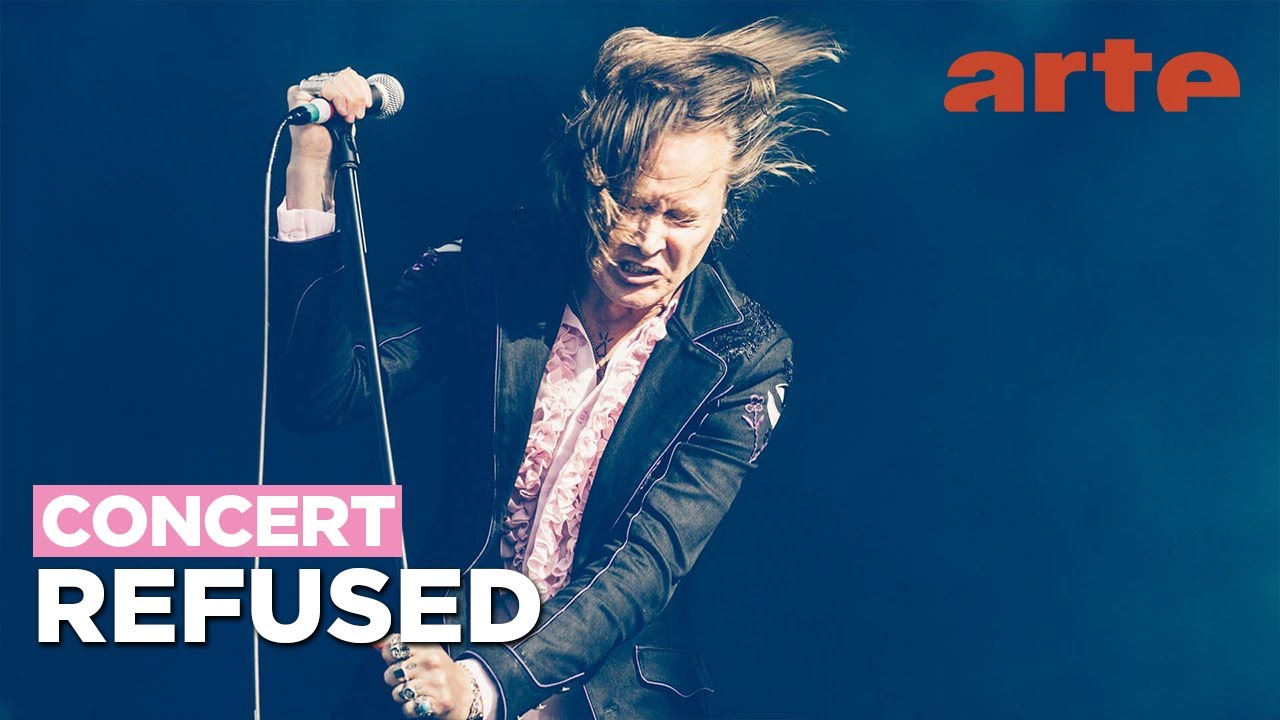
Refused, the seminal punk/hardcore band hailing from Umeå, Sweden, was formed in 1991, a time when the local music scene was burgeoning with energy and experimentation. The band originally consisted of vocalist Dennis Lyxzén, drummer David Sandström, guitarist Pär Hansson, and bassist Jonas Lindgren. As the band evolved, there were several lineup changes, with Kristofer Steen joining as guitarist and Magnus Flagge replacing Lindgren on bass.
The formation of Refused was a response to the burgeoning punk scene in Sweden, where the members sought to infuse a political edge and avant-garde elements into their music. This dedication to both sound and message quickly set them apart from their contemporaries.
Musical Style & Characteristics
Refused is best known for their potent blend of punk rock, hardcore, and post-hardcore elements. They are celebrated for their ability to transcend the typical boundaries of the genre, incorporating elements of jazz, electronica, and even avant-garde music into their repertoire. The band’s sound is characterized by aggressive yet intricate guitar riffs, complex drumming, and Lyxzén’s passionate and often politically charged vocals.
Their music is not only a sonic assault but also a vehicle for their staunch anti-capitalist and anti-establishment ideologies. Lyrically, Refused delves into themes of rebellion, societal critique, and self-empowerment, often challenging listeners to question the status quo. Their innovative approach has been pivotal in redefining what hardcore punk can achieve both musically and thematically.
Key Works & Discography
Refused’s discography is a testament to their evolving sound and unwavering commitment to their ideals. Their debut album, “This Just Might Be… the Truth,” released in 1994, laid the groundwork for their distinctive style with a raw blend of hardcore energy and melodic undercurrents.
Their sophomore effort, “Songs to Fan the Flames of Discontent” (1996), saw the band honing their craft further, with tracks like “Rather Be Dead” and “Coup d’État” showcasing their ability to marry aggressive musicality with thought-provoking lyrics.
However, it was their third album, “The Shape of Punk to Come” (1998), that cemented their legacy. Considered a masterpiece, this record pushed the boundaries of punk rock with its experimental approach, blending electronic elements and jazz influences with their signature hardcore sound. Tracks like “New Noise” and “The Deadly Rhythm” have become anthems, embodying the band’s innovative spirit and political fervor.
After a long hiatus, Refused made a powerful comeback with “Freedom” in 2015 and “War Music” in 2019. These albums continued to explore new musical territories while staying true to their roots, reaffirming their status as pioneers in the punk scene.
Influence on Other Bands/Scenes
Refused’s influence on the punk and hardcore scenes is immeasurable. “The Shape of Punk to Come,” in particular, has inspired countless bands across genres, from hardcore to metalcore and beyond. Their willingness to experiment with new sounds and structures has encouraged a generation of musicians to push the boundaries of what is considered punk rock.
Bands such as The Dillinger Escape Plan, Bring Me the Horizon, and Enter Shikari have cited Refused as a major influence, drawing inspiration from their innovative use of dynamics and genre-blending techniques. Refused’s impact goes beyond music; their politically charged messages have inspired activism within the punk community, establishing a legacy of music as a tool for change.
Breakups or Reunions
In 1998, shortly after the release of “The Shape of Punk to Come,” Refused disbanded, citing internal tensions and a desire to pursue different creative directions. This breakup was met with disappointment from fans who had come to view the band as a revolutionary force in punk music.
After more than a decade apart, Refused announced their reunion in 2012, much to the delight of their global fanbase. The reunion tour was a triumph, affirming their enduring appeal and relevance in the music world. This led to the release of “Freedom” in 2015, marking their return to recording after a 17-year hiatus. The band continues to tour and release new music, much to the excitement of old fans and new listeners alike.
Current Reputation & Legacy
Today, Refused is celebrated as one of the most innovative and influential bands in punk and hardcore music. Their ability to blend aggressive, politically charged music with avant-garde elements has left an indelible mark on the genre. They are often credited with paving the way for modern punk bands to explore new sounds and lyrical themes.
Despite their initial disbandment, Refused’s legacy has only grown over time. Their work continues to be studied and appreciated by musicians and fans alike, and their influence can be seen across a wide spectrum of contemporary music. They remain a symbol of artistic integrity and revolutionary spirit in an industry often dominated by commercialism.
Conclusion
Refused’s journey from a small punk band in Sweden to international icons is a testament to their visionary approach and unwavering commitment to their art and ideals. Their innovative sound, combined with a powerful message, has inspired countless artists and continues to challenge listeners to think critically about the world around them.
As they continue to create and perform, Refused remains a vital force in the music world, proving that punk rock is not just a genre but a potent platform for change. Their enduring legacy is a reminder of the power of music to inspire, challenge, and transform.