Formation & Members
Disfear, a Swedish crust punk band, emerged from the vibrant punk scene of Nyköping in 1989. The band initially featured Jeppe Lerjerud on vocals, with Björn Peterson on guitar, and Henke Frykman on bass. Over the years, the lineup evolved, most notably with the addition of Tomas Lindberg, known for his work with At the Gates, who took over vocal duties in 1998. The band also included Uffe Cederlund of Entombed fame on guitar from 2004 onwards. Tragically, the band has faced the loss of several members, including Frykman in 2011, Lindberg in 2025, and drummer Marcus Andersson in 2026.
Musical Style & Characteristics
Disfear is renowned for their intense and raw sound, a hallmark of the hardcore punk genre. Their music is characterized by aggressive guitar riffs, relentless drumming, and politically charged lyrics. The band draws inspiration from a diverse array of influences, including The Ramones, Motörhead, and Discharge, blending these elements into a unique crust punk sound that resonates with fans worldwide.
Key Works & Discography
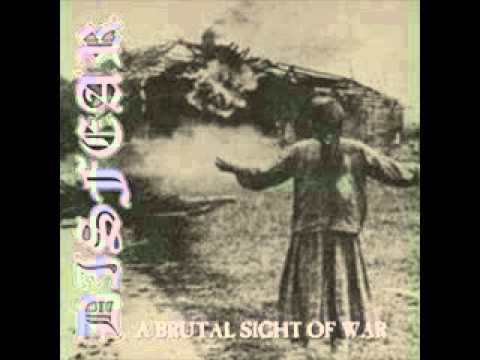
Disfear’s discography is a testament to their enduring presence in the punk scene. Their early works, such as the self-titled album “Disfear” (1992) and “A Brutal Sight of War” (1993), laid the foundation for their sound. The albums “Soul Scars” (1995) and “Everyday Slaughter” (1997) further cemented their reputation. After a brief hiatus, they returned with “Misanthropic Generation” in 2003, featuring Lindberg’s powerful vocals. Their collaboration with Converge‘s Kurt Ballou on “Live the Storm” (2008) is often highlighted as a pinnacle of their career.
Influence on Other Bands/Scenes
Disfear’s influence extends beyond their immediate genre, impacting a wide range of punk and metal bands. Their raw energy and uncompromising sound have inspired numerous acts, contributing to the evolution of the crust punk and hardcore scenes. Bands like Entombed and Turbonegro have acknowledged Disfear’s impact on their music, showcasing the band’s broad reach and enduring legacy.
Breakups or Reunions
Throughout their career, Disfear has experienced periods of inactivity, often due to lineup changes and personal tragedies. Despite these challenges, the band has managed to reunite and continue producing music, demonstrating their resilience and commitment to their craft.
Current Reputation & Legacy
Today, Disfear is celebrated as a seminal band within the crust punk genre. Their contributions to the scene are widely recognized, and their music continues to resonate with new generations of punk enthusiasts. The band’s ability to blend raw aggression with thought-provoking themes has solidified their place in punk history.
Conclusion
Disfear’s journey through the punk landscape is marked by innovation, resilience, and a steadfast dedication to their musical vision. Despite facing numerous challenges, their influence remains strong, and their legacy as pioneers of crust punk endures. As they continue to inspire and energize fans around the world, Disfear’s impact on the punk scene is undeniable.
Sources
en.wikipedia.org / www.wikidata.org / musicbrainz.org
Band facts
| Formed | 1989 |
|---|---|
| Origin | Nyköping |
| Genres | hardcore punk |
| Labels | Relapse Records |
| Members | Tomas Lindberg |
Sources: Wikidata / MusicBrainz
Discography
| Year | Type | Title |
|---|---|---|
| 1992 | EP | Disfear |
| 1993 | Album | A Brutal Sight of War |
| 1993 | EP | Masslakt / The Strike Of Mankind |
| 1995 | Album | Soul Scars |
| 1997 | Album | Everyday Slaughter |
| 1999 | EP | A Brutal Sight of War |
| 2003 | Album | Misanthropic Generation |
| 2005 | EP | Zeke And Disfear |
| 2008 | Album | Live the Storm |
| 2009 | EP | Disfear / Doomriders Split |