Formation & Members
Mano Negra, a band that would become a cornerstone of the world fusion genre, was formed in Paris in 1987. The group was spearheaded by Manu Chao, alongside his brother Antoine Chao and their cousin Santiago Casariego. The Chao brothers, born to Galician and Basque parents with Cuban roots, brought a rich cultural heritage to the band’s music. The initial lineup was completed by Joseph Dahan on bass, Pierre Gauthé on trombone, Thomas Darnal on keyboards, Daniel Jamet on lead guitar, and Philippe Teboul on drums. This diverse ensemble of musicians contributed to the eclectic sound that Mano Negra would become famous for.
Musical Style & Characteristics
Mano Negra’s music is a vibrant tapestry of styles, reflecting their diverse backgrounds and influences. They seamlessly blended punk rock, folk, flamenco, ska, salsa, French chanson, hip-hop, raï, rockabilly, reggae, and African rhythms. This eclectic mix was often described as “patchanka,” a term coined by the band to describe their patchwork of sounds. Their songs frequently switched between languages, including Spanish, English, and French, sometimes even within the same song. This multilingual approach, combined with their use of everyday sound samples and experimental post-production techniques, set them apart as pioneers of world fusion.
Key Works & Discography
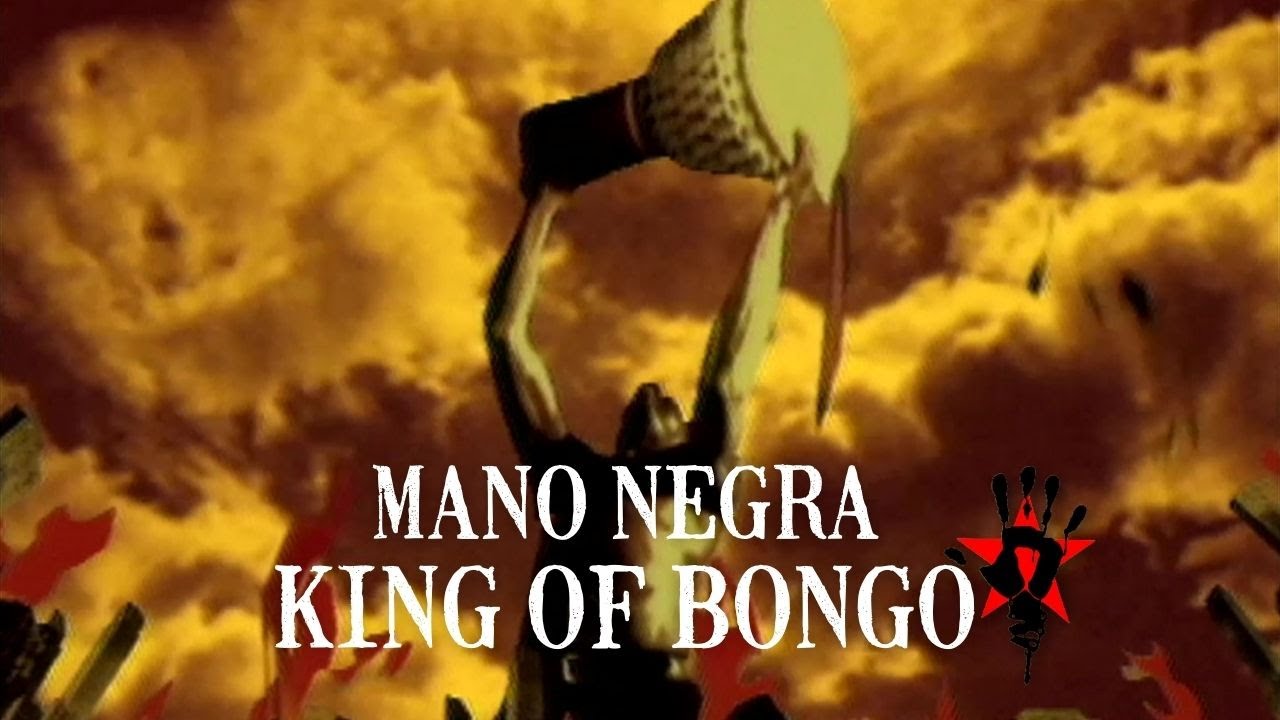
Mano Negra’s discography is a testament to their innovative spirit and musical prowess. Their debut album, Patchanka (1988), introduced the world to their unique sound. This was followed by Puta’s Fever (1989), an album that further solidified their reputation with its mix of Tex-Mex, Arabic songs, and flamenco influences. King of Bongo (1991) marked a shift towards more English lyrics and rock sounds, while their final studio album, Casa Babylon (1994), showcased their most exploratory work. Live albums like In the Hell of Patchinko (1992) captured the raw energy of their performances, which were a crucial element of their appeal.
Influence on Other Bands/Scenes
Mano Negra’s influence extended far beyond their own music. Their innovative fusion of styles and cultures inspired countless other bands and helped pave the way for the world music genre. Their impact was particularly felt in Europe and South America, where they achieved mainstream success. Bands like Gogol Bordello, who covered Mano Negra’s “Mala Vida,” have cited them as a significant influence. The band’s ability to blend disparate musical elements into a cohesive and energetic sound has left a lasting legacy on the global music scene.
Breakups or Reunions
Despite their success, internal tensions began to surface within Mano Negra during the early 1990s. After the release of Casa Babylon in 1994, the band announced their split, much to the disappointment of their fans. The breakup was confirmed just before a scheduled performance at the Stockholm Vattenfestival, marking the end of an era for the band. While Mano Negra never officially reunited, frontman Manu Chao went on to have a successful solo career, continuing to perform some of the band’s songs with his group Radio Bemba Sound System.
Current Reputation & Legacy
Today, Mano Negra is regarded as a cult band with a significant legacy in the world of music. Their pioneering approach to blending genres and cultures has influenced a wide array of artists and continues to resonate with fans around the globe. The band’s spirit of innovation and their commitment to pushing musical boundaries have ensured their place in the annals of music history. Their albums remain popular, and their influence can be seen in the work of many contemporary artists who seek to fuse different musical traditions.
Conclusion
Mano Negra’s journey from the streets of Paris to international acclaim is a testament to their unique vision and musical talent. By embracing a wide array of influences and breaking down cultural barriers, they created a sound that was both revolutionary and timeless. Although their time as a band was relatively short-lived, their impact on the music world is undeniable. Mano Negra’s legacy lives on, inspiring new generations of musicians to explore the limitless possibilities of musical fusion.
Sources
en.wikipedia.org / www.wikidata.org / musicbrainz.org
Band facts
| Formed | 1987 |
|---|---|
| Disbanded | 1994 |
| Origin | Paris |
| Genres | alternative rock / music of Latin America / French rock / punk rock / salsa / ska |
| Labels | Virgin Records / Boucherie Productions |
| Members | Manu Chao / Antoine Chao / Santi / Joseph Dahan / Pierre Gauthé / Thomas Darnal / Daniel Jamet / Philippe Teboul |
Sources: Wikidata / MusicBrainz
Discography
| Year | Type | Title |
|---|---|---|
| 1988 | Album | Patchanka |
| 1989 | Album | Puta’s Fever |
| 1991 | Album | King of Bongo |
| 1994 | Soundtrack | Bande originale du livre |
| 1994 | Album | Casa Babylon |
| 2005 | EP | Mini Negra EP |
| 1989 | Live | Prison de la plaine de l’Orbe |
| 1990 | Live | Live Paradiso Amsterdam (1990) |
| 1991 | Live | Holland 1990 |
| 1992 | Compilation | Amerika perdida |
| 1992 | Live | Forte Prenestino |
| 1992 | Live | In the Hell of Patchinko |
| 1998 | Compilation | Best of Mano Negra |
| 2004 | Compilation | L'Essentiel |
| 2005 | Compilation | Lo mejor de la Mano Negra |
Show all
| Year | Type | Title |
|---|---|---|
| Compilation | Mala vida | |
| Compilation | The Best |