Formation & Members
Laibach, an avant-garde music group, was formed in 1980 in the mining town of Trbovlje, Slovenia, which was then part of Yugoslavia. The band was initially centered around Tomaž Hostnik and Dejan Knez, with members Eber, Saliger, Dachauer, and Keller contributing to its early lineup. Tragically, Hostnik committed suicide in 1982, after which Milan Fras took over as the lead vocalist. Over the years, the band has seen numerous lineup changes, with the current members including Milan Fras, Eva Breznikar, Mina Špiler, Ivan Novak, Luka Jamnik, and Janez Gabrič. Despite the changes, Laibach has maintained a consistent presence in the music scene, often shrouding its members in anonymity, although some names were revealed in their 2014 album ‘Spectre’.
Musical Style & Characteristics
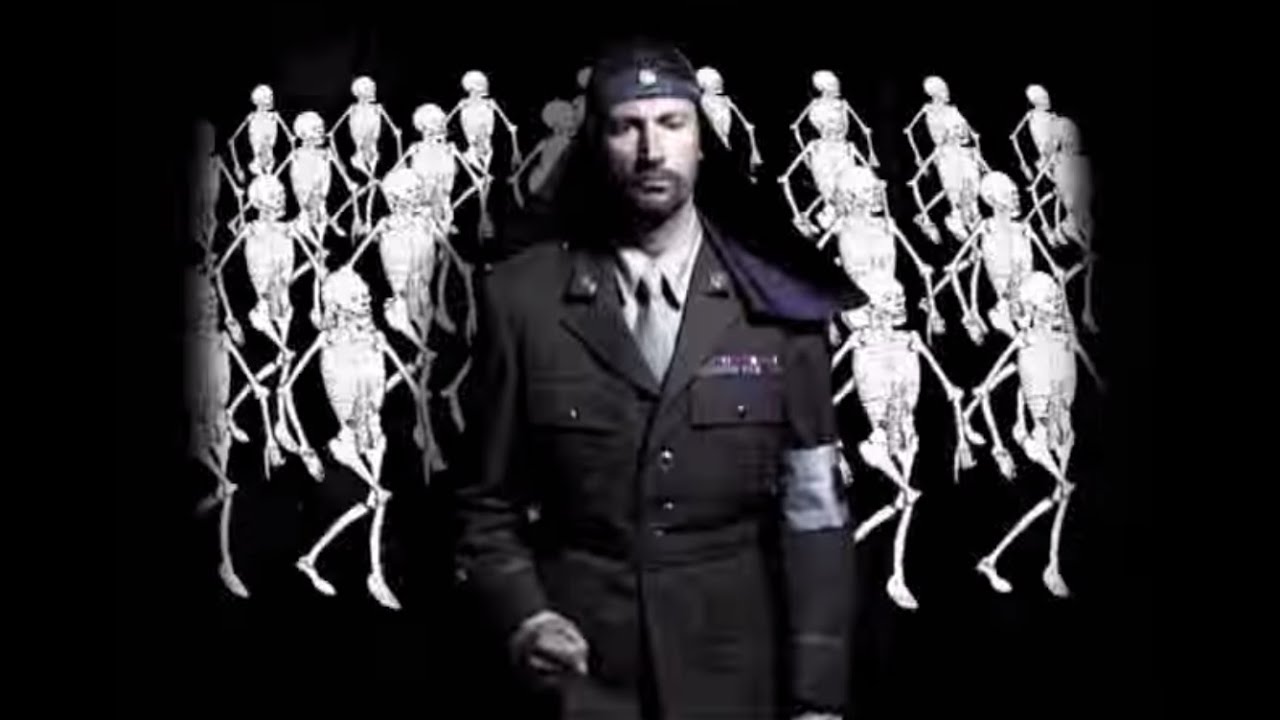
Laibach is renowned for its experimental approach to music, blending genres such as industrial, techno, electronic body music, post-punk, and dark wave. Their early works were heavily industrial, characterized by heavy rhythms and roaring vocals. Over time, their sound evolved to incorporate electronic music elements, especially from the 1990s onwards. Albums like ‘WAT’ saw collaborations with techno DJ Umek, showcasing their adaptability and willingness to explore new musical landscapes. The band is also known for its use of totalitarian and militaristic iconography, which they claim is a parody of fascism. This controversial imagery has often led to misunderstandings and criticism from both political spectrums, as well as government scrutiny during the Yugoslav era.
Key Works & Discography
Laibach’s discography is extensive, with notable albums including ‘Nova Akropola’ (1986), ‘Opus Dei’ (1987), and ‘Let It Be’ (1988). Their work often features reinterpretations of popular songs, transforming them into darker, more gothic versions. The band’s discography also includes soundtracks for theatre and film, such as ‘Macbeth’ (1990) and ‘Iron Sky – The Original Soundtrack’ (2012). Their 2006 album ‘Volk’ is particularly interesting as it features adaptations of national anthems from around the world. Laibach’s ability to blend music with political commentary is evident in albums like ‘NATO’ (1994) and ‘Jesus Christ Superstars’ (1996), which tackle contemporary political issues with their signature ambiguous messaging.
Influence on Other Bands/Scenes
Laibach has had a significant influence on the industrial and avant-garde music scenes. Their unique blend of music and provocative imagery has inspired numerous bands and artists to explore similar themes. By integrating multimedia elements into their performances and maintaining a strong visual identity, Laibach has set a precedent for how music can be used as a form of political and social commentary. Their role in co-founding the Neue Slowenische Kunst (NSK) artist collective further underscores their impact on the broader art and music communities.
Breakups or Reunions
Throughout their career, Laibach has experienced various lineup changes but has never officially disbanded. The band has consistently evolved, both in terms of its musical style and its membership, allowing it to remain relevant and active in the music industry for over four decades. Their ability to adapt and reinvent themselves has been key to their longevity and continued success.
Current Reputation & Legacy
Today, Laibach is regarded as a cultural icon in Slovenia, having transitioned from a controversial and censored group to a celebrated national treasure. Their international reputation is equally strong, with a dedicated fan base and critical acclaim for their innovative approach to music and art. The band’s performance in North Korea in 2015, as the first foreign rock band to play there, further cemented their status as pioneers willing to challenge boundaries and engage with politically charged environments.
Conclusion
Laibach’s journey from a small mining town in Slovenia to international acclaim is a testament to their artistic vision and resilience. By consistently pushing the boundaries of music and art, they have carved out a unique space in the cultural landscape. Their legacy is one of innovation, controversy, and profound influence, making them a band that continues to captivate and inspire audiences worldwide.
Sources
en.wikipedia.org / ja.wikipedia.org / www.wikidata.org / musicbrainz.org
Band facts
| Formed | 1980 |
|---|---|
| Origin | Municipality of Trbovlje |
| Genres | pop music / techno / electronic body music / industrial music / post-punk / avant-garde music / experimental music / dark wave |
| Labels | Staalplaat / Mute Records |
| Members | Milan Fras / Eva Breznikar / Mina Špiler / Ivan Novak / Luka Jamnik / Janez Gabrič |
Sources: Wikidata / MusicBrainz
Discography
| Year | Type | Title |
|---|---|---|
| 1983 | Album | Laibach / Last Few Days |
| 1985 | Album | Laibach |
| 1985 | EP | Panorama / Die Liebe |
| 1986 | Album | Nova Akropola |
| 1987 | Album | Opus Dei |
| 1988 | Soundtrack | Krst pod Triglavom: Baptism |
| 1988 | Album | Let It Be |
| 1989 | Soundtrack | Macbeth |
| 1992 | Album | Kapital |
| 1994 | Album | NATO |
| 1996 | Album | Jesus Christ Superstars |
| 2003 | Album | WAT |
| 2006 | Album | Volk |
| 2008 | Album | Laibachkunstderfuge |
| 2012 | Soundtrack | Iron Sky: The Original Film Soundtrack |
Show all
| Year | Type | Title |
|---|---|---|
| 2013 | EP | S |
| 2014 | EP | 1 VIII 1944. Warszawa |
| 2014 | Album | Spectre |
| 2015 | Remix | Spectremix |
| 2017 | Album | Also sprach Zarathustra |
| 2018 | Album | The Sound of Music |
| 2019 | EP | Party Songs |
| 2021 | Album | Wir sind das Volk: Ein Musical aus Deutschland |
| 2023 | Soundtrack | Iron Sky: The Coming Race |
| 2023 | EP | Love Is Still Alive |
| 2023 | Album | Sketches of the Red Districts |
| 2026 | Album | MUSICK |
| 1983 | Live | Through The Occupied Netherlands |
| 1984 | Live | Vstajenje V Berlinu |
| 1985 | Live | Ein Schauspieler |
| 1985 | Live | Neu Konservatiw |
| 1985 | Compilation | Rekapitulacija 1980-1984 |
| 1986 | Live | Divergences / Divisions |
| 1986 | Live | The Occupied Europe Tour 1985 |
| 1987 | Live | Live at Transmusicales de Rennes |
| 1987 | Compilation | Slovenska Akropola |
| 1988 | Compilation | Let It Be / Opus Dei |
| 1988 | Live | Live at Divergences / Divisions V |
| 1993 | Live | Ljubljana–Zagreb–Beograd |
| 1996 | Live | Occupied Europe NATO Tour 1994–95 |
| 1997 | Live | M.B. December 21, 1984 |
| 2002 | Live | The John Peel Sessions |
| 2003 | Compilation | Alternative Collection |
| 2003 | Compilation | Für Die Die Verstehen |
| 2004 | Compilation | Anthems |
| 2007 | Live | 2007-04-16: CC Club, London, UK |
| 2008 | Live | Volk Dead In Trbovlje |
| 2011 | Compilation | "Gesamtkunstwerk - Dokument 81-86“ |
| 2012 | Compilation | An Introduction To … Laibach / Reproduction Prohibited |
| 2012 | Live | Monumental Retro-Avant-Garde: Live at Tate Modern / 14 April 2012 |
| 2014 | Compilation | The New Cultural Revolution |
| 2016 | Live | Live In Hell |
| 2018 | Live | Also sprach Zarathustra Live 2017 |
| 2018 | Live | Also Sprach Zarathustra Live from Opera club 9.10.2018 |
| 2018 | Live | Liberation Day : The Sound Of Music (A Documentary Musical) |
| 2020 | Live | Bremenmarsch (Live,12.10.1987, Schlachthof) |
| 2020 | Live | Bremenmarsch, Laibach Live at Schlachthof 12. 10. 1987 |
| 2020 | Compilation | Laibach Revisited |
| 2021 | Live | We Forge the Future. Live at Reina Sofía |
| 2024 | Live | Alamut |
| 2024 | Compilation | Opus Dei Revisited |
| 2025 | Compilation | Laibach 40 |
| Live | The Satanic Rock-Opera |