

Formation & Members
Alice in Chains, often recognized by its Japanese moniker アリス・イン・チェインズ, was formed in Seattle, Washington, during the late ’80s. The band emerged from the heart of the grunge movement, sharing the spotlight with contemporaries like Nirvana and Soundgarden. Founded by guitarist and vocalist Jerry Cantrell and drummer Sean Kinney, the band initially included bassist Mike Starr and lead vocalist Layne Staley. This lineup became iconic, establishing the sound and image that would propel them to international fame.
Jerry Cantrell’s guitar work and distinctive vocal harmonies became a cornerstone of Alice in Chains’ sound, while Layne Staley’s haunting voice and introspective lyrics resonated deeply with their audience. Mike Starr, who played bass on their first two albums, was replaced by Mike Inez in 1993. This lineup remained stable until Staley’s untimely death in 2002. Despite Staley’s passing, the band reformed in 2005 with William DuVall stepping into the role of lead vocalist, bringing a renewed energy and perspective to the band’s evolving legacy.
Musical Style & Characteristics
Alice in Chains is often categorized within the grunge genre, but their music also incorporates elements of heavy metal, punk, and alternative rock, creating a unique and powerful sound. The band is known for its dark and brooding lyrics, often exploring themes of addiction, depression, and existential despair. Their sound features heavy guitar riffs, layered harmonies, and a strong rhythm section that underscores their poignant lyrical content.
Jerry Cantrell’s guitar work is particularly notable for its blend of heavy, sludgy riffs with intricate, melodic soloing. The vocal harmonies between Cantrell and Staley (and later DuVall) are a defining characteristic, creating a haunting and eerie atmosphere that sets Alice in Chains apart from their peers. The band’s ability to seamlessly switch between aggressive, high-energy tracks and slower, more contemplative songs showcases their versatility and depth as musicians.
Key Works & Discography
Alice in Chains’ discography is a testament to their enduring influence and innovation within the rock genre. Their debut album, “Facelift,” released in 1990, featured the hit single “Man in the Box,” which helped establish their presence on the music scene. The follow-up, “Dirt,” released in 1992, is often regarded as their magnum opus, featuring tracks like “Rooster,” “Down in a Hole,” and “Them Bones.” This album solidified their reputation as one of the premier bands of the grunge era, showcasing their ability to blend heavy metal with introspective, personal lyrics.
In 1994, they released the acoustic EP “Jar of Flies,” which debuted at number one on the Billboard 200 chart, a rare achievement for an EP. This release demonstrated their versatility and ability to create deeply moving music in a more subdued format. After a hiatus, they returned with their self-titled album in 1995, often referred to as “Tripod” due to its cover art. This album continued to explore dark themes and featured the singles “Grind” and “Heaven Beside You.”
Following Staley’s death, the band took a significant break but returned in 2009 with “Black Gives Way to Blue,” featuring new lead vocalist William DuVall. The album was well-received and proved that Alice in Chains could continue to evolve while staying true to their roots. They have since released additional albums, including “The Devil Put Dinosaurs Here” (2013) and “Rainier Fog” (2018), both of which have been praised for their musical depth and continued exploration of complex themes.
Influence on Other Bands/Scenes
Alice in Chains’ influence extends far beyond the grunge movement. Their unique blend of heavy metal and alternative rock has inspired countless bands across various genres, from nu-metal to post-grunge. Bands such as Korn, Godsmack, and Staind have cited Alice in Chains as a significant influence on their music. The band’s ability to convey raw emotion through their lyrics and sound has resonated with artists and fans alike, contributing to the development of a darker, more introspective side of rock music.
Their success and critical acclaim have also paved the way for other bands to explore similar themes of addiction and personal struggle, creating a legacy that continues to impact new generations of musicians. Alice in Chains’ willingness to address difficult and often taboo subjects in their music has encouraged others to do the same, fostering a more open dialogue within the music community about mental health and personal challenges.
Breakups or Reunions
Throughout their career, Alice in Chains has experienced significant challenges and changes, particularly with the tragic loss of Layne Staley. After Staley’s death in 2002, the band went on a lengthy hiatus, leading many to believe that their story had come to an end. However, in 2005, remaining members Cantrell, Kinney, and Inez decided to reunite and move forward with a new lineup.
The introduction of William DuVall as the new lead vocalist marked a new chapter for the band. Their 2009 album, “Black Gives Way to Blue,” was a tribute to Staley and a testament to the band’s resilience and ability to adapt. This reunion not only revitalized their career but also introduced their music to a new generation of fans, proving that Alice in Chains could continue to evolve while honoring their past.
Current Reputation & Legacy
Today, Alice in Chains is regarded as one of the most influential bands to emerge from the grunge era. Their music continues to resonate with audiences around the world, and their ability to evolve while maintaining their core sound has solidified their place in rock history. The band’s willingness to confront difficult themes and emotions in their music has left a lasting impact on both fans and fellow musicians.
Their legacy is further cemented by their continued success and relevance in the music industry, with recent albums receiving critical acclaim and achieving commercial success. Alice in Chains’ ability to maintain their identity while embracing change has ensured their place as a seminal force in rock music, influencing countless artists and shaping the direction of modern rock and alternative music.
Conclusion
Alice in Chains’ journey from the grunge scene of Seattle to international acclaim is a testament to their talent, resilience, and enduring appeal. Despite personal and professional challenges, they have remained a powerful force in the music industry, continuously evolving while staying true to their roots. Their influence on rock music is undeniable, and their legacy continues to inspire new generations of musicians.
As they continue to create and perform, Alice in Chains remains a beacon of authenticity and emotional depth in an ever-changing musical landscape. Their story is one of triumph over adversity, a reminder of the power of music to heal, connect, and transcend boundaries.
Band facts
| Formed | 1987 |
|---|---|
| Origin | Seattle |
| Genres | grunge / alternative metal / alternative rock |
| Labels | Columbia Records / EMI |
| Members | Jerry Cantrell / Mike Starr / Mike Inez / Layne Staley / Sean Kinney / William DuVall |
Sources: Wikidata / MusicBrainz
Discography
| Year | Type | Title |
|---|---|---|
| 1988 | Demo | The Treehouse Tapes |
| 1989 | Album | Alice in Chains |
| 1990 | Album | Facelift |
| 1990 | EP | We Die Young |
| 1992 | Album | Dirt |
| 1992 | EP | Sap |
| 1992 | Demo | Tasty White Powder |
| 1993 | Album | Savage Messiah |
| 1993 | Demo | Sweet Alice |
| 1993 | Album | Them Bones |
| 1994 | EP | Jar of Flies |
| 1995 | Album | Alice in Chains |
| 2009 | Album | Black Gives Way to Blue |
| 2012 | Remix | Dirt (Chopped Not Slopped by DJ Lil Steve) |
| 2012 | Remix | Jar of Flies (Chopped Not Slopped by DJ Lil Steve) |
Show all
| Year | Type | Title |
|---|---|---|
| 2013 | Remix | Sap (Chopped Not Slopped by DJ Lil Steve) |
| 2013 | Album | The Devil Put Dinosaurs Here |
| 2018 | Album | Rainier Fog |
| 2021 | Remix | Greatest Hits (Chopped Not Slopped by DJ Lil Steve) |
| Album | Tilburg 1993 | |
| 1990 | Live | 1990‐11‐05: Marquee, Dallas, TX, USA |
| 1991 | Live | Live Facelift |
| 1992 | Live | 1990-09-02: Motorized: Seattle Center, Seattle, WA, USA |
| 1992 | Compilation | Dirt & Sap |
| 1992 | Live | Sunshine |
| 1992 | Compilation | …In Blunderland |
| 1993 | Live | 1992-11-28: Dirtiest Live: La Brique, Montreal, QC, Canada |
| 1993 | Live | 1992‐11‐29: Concert Hall, Toronto, ON, Canada |
| 1993 | Compilation | Chained to the Studio |
| 1993 | Compilation | Dirt / Facelift |
| 1993 | Live | Dirty Rhythm |
| 1993 | Live | Dirty Toy Town |
| 1993 | Live | Johnny Steroid’s Last Show |
| 1993 | Live | Live & Unchained |
| 1993 | Live | Love Hate Live |
| 1993 | Live | Rooster |
| 1993 | Compilation / Live | Seattle Connection, Part 1 |
| 1993 | Live | The World Is in Chains |
| 1993 | Live | We Die Young |
| 1994 | Live | 1994-02-23: Swarm: Osaka-jō Hall, Osaka, Japan |
| 1994 | Compilation | Jar of Flies / Sap |
| 1994 | Live | Nightland |
| 1994 | Live | U.S.A. 1993 |
| 1995 | Live | 1993: Come and Save Me: Paris, France |
| 1995 | Live | Heroin |
| 1996 | Live | MTV Unplugged |
| 1996 | Live | We Die Young |
| 1996 | Compilation | Working Class Heroes |
| 1999 | Compilation | Music Bank |
| 1999 | Compilation | Nothing Safe: The Best of the Box |
| 2000 | Live | Live |
| 2001 | Compilation | Greatest Hits |
| 2001 | Compilation | Jar of Flies / Facelift / Dirt |
| 2001 | Compilation | The Best of Alice in Chains |
| 2003 | Compilation | Facelift / Dirt / Alice in Chains |
| 2005 | Live | 2005‐02‐18: K‐ROCK Tsunami Continued Care Relief Concert, Premier, Seattle, WA, USA |
| 2006 | Compilation | Dirt / MTV Unplugged |
| 2006 | Compilation | The Essential Alice in Chains |
| 2007 | Compilation | Discover Beyond |
| 2007 | Compilation | Discover More |
| 2007 | Compilation | ×2: Facelift / Alice in Chains |
| 2008 | Compilation | Discover |
| 2008 | Compilation | The Full Discover Package |
| 2010 | Compilation | Discover Further |
| 2011 | Compilation | Original Album Classics |
| 2015 | Live | 1990-09-15: Sheraton La Reina, Los Angeles, CA, USA |
| 2015 | Live | 1991-10-06: Hollywood Palladium, Los Angeles, CA, USA |
| 2015 | Live | Sea of Sorrow |
| 2015 | Live | Under the Knife |
| 2016 | Live | Freak Show: California Broadcasts 1990 & 1992 |
| 2016 | Compilation | Jar of Flies/ Sap |
| 2017 | Live | Live in Oakland October 8th 1992 |
| 2018 | Compilation | Greatest Songs |
| 2019 | Live | Bleed the Freak (American radio broadcast) |
| 2019 | Live | It Aint Like That (live) |
| 2019 | Live | Man in the Box (American radio broadcast) |
| 2019 | Live | Sickman (live) |
| 2019 | Compilation | We Die Young |
| 2019 | Live | We Die Young: Live |
| 2020 | Compilation / Live | FM Broadcast |
| 2020 | Live | FM Broadcast: Alice in Chains & Pearl Jam |
| 2021 | Live | Put You Down: Alice in Chains Recordings |
| 2023 | Live | Sea of Sorrow |
| 2024 | Live | 1992‐12‐20: Seattle Center Arena, Seattle, WA, USA |
| 2024 | Live | Live at the Palladium Hollywood 1992 |
| 2024 | Live | Los Angeles 1990 |
| 2025 | Live | Praça Da Apoteose, Rio De Janeiro, Brazil, January 22nd, 1993 (Remastered, Live On Broadcasting) |
| Live | 1991-01: Alice in Wonderland: Dallas Amphitheater, Dallas, TX, USA | |
| Live | 1991-06-28: Madison Square Garden, New York, NY, USA | |
| Live | 1991‐10‐30: The Centrum, Worcester, MA, USA | |
| Live | 1992-11-27: The Channel, Boston, MA, USA | |
| Live | 1993-01-08: Aloha Tower, Honolulu, HI, USA | |
| Live | 1993‐02‐26: Town and Country Club, London, England, UK | |
| Live | 1993‐03‐03: Rock City, Nottingham, England, UK | |
| Live | 1993‐10‐13: Hugenottenhalle, Neu Isenburg, Germany | |
| Live | 2007‐08‐25: Events Center, Borgata Casino, Atlantic City, NJ, USA | |
| Live | 2009‐11‐14: Manchester Academy, Manchester, England, UK | |
| Live | Bad Dream | |
| Compilation | Boot! | |
| Live | We Die Young |
Streaming
アリス・イン・チェインズ T-shirts
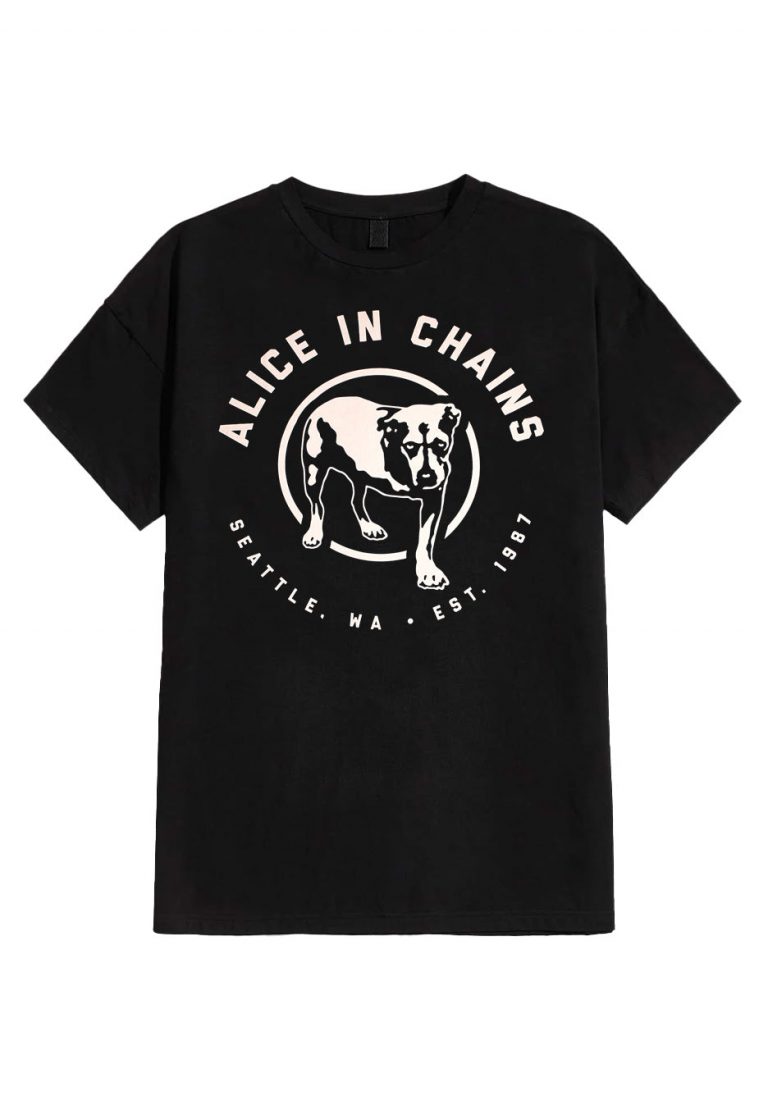
Alice in Chains Lone Mutt – T-Shirt
2026 Current
Listed price $17.99 (approx. ¥2,700)
View detailsShips from: Germany / shipping not included
Visit store
Alice in Chains Fog Mountain – T-Shirt
2026 Current
Listed price $24.99 (approx. ¥3,700)
View detailsShips from: Germany / shipping not included
Visit store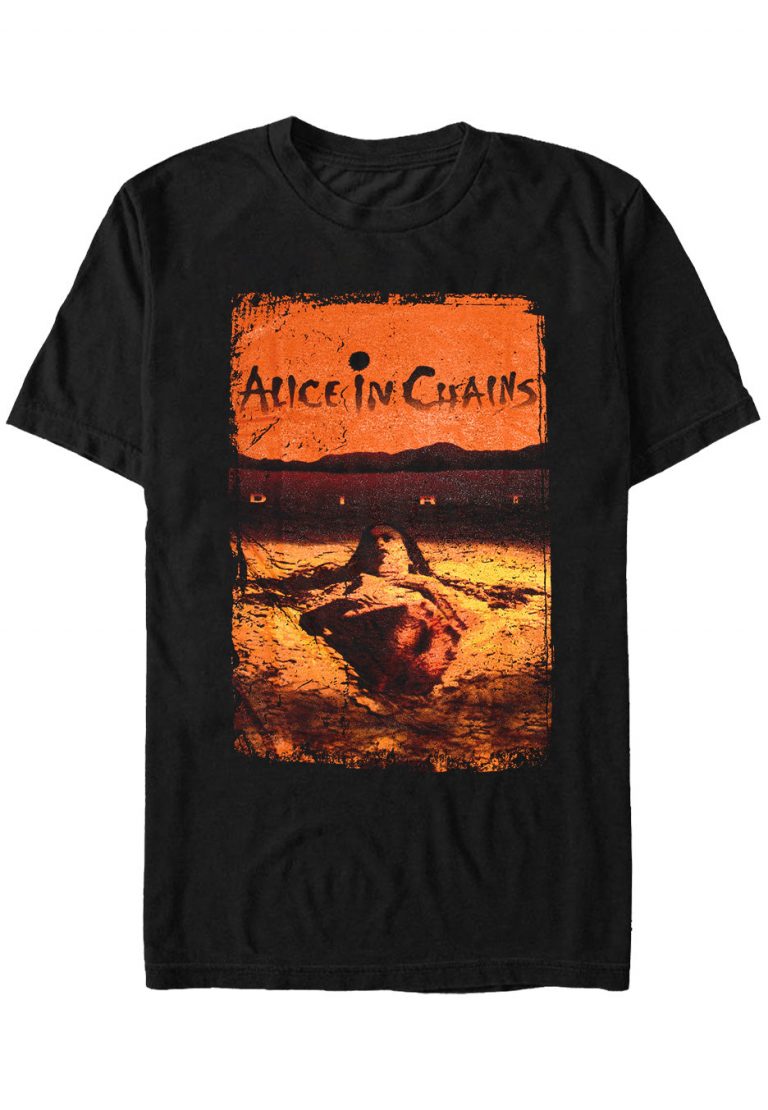
Alice in Chains Dirt Album Cover – T-Shirt
2026 Current
Listed price $22.99 (approx. ¥3,400)
View detailsShips from: Germany / shipping not included
Visit store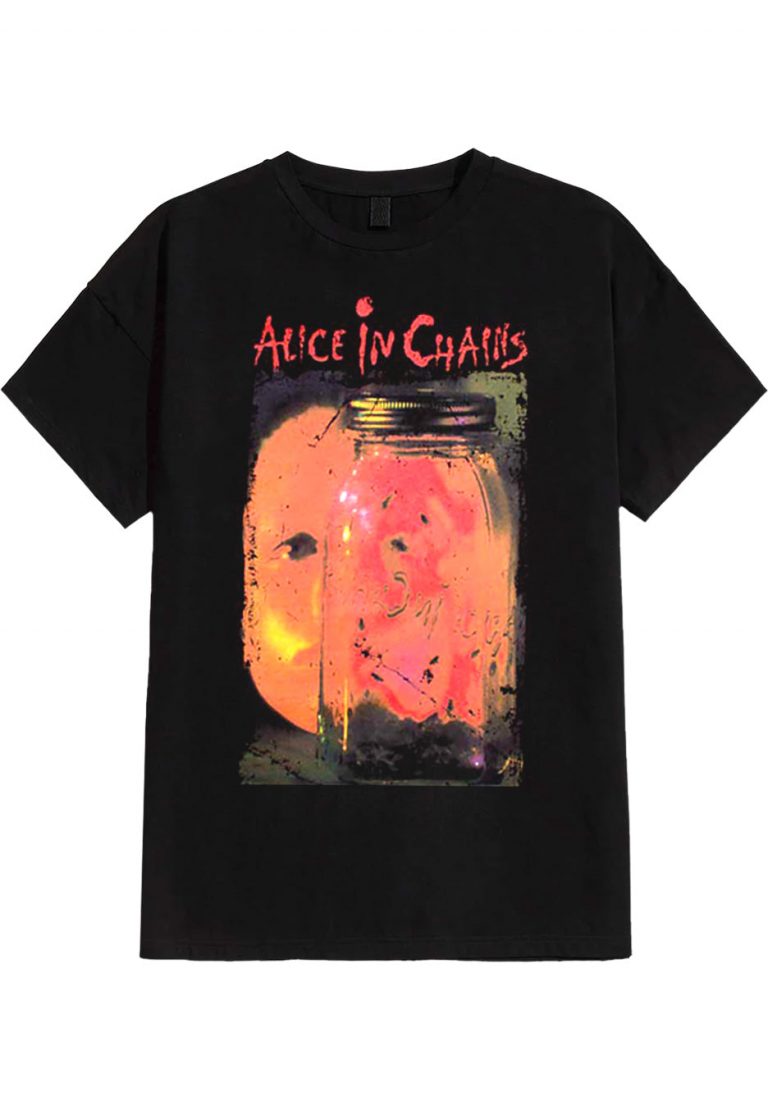
Alice in Chains Jar Of Flies (Back Print) – T-Shirt
2026 Current
Listed price $24.99 (approx. ¥3,700)
View detailsShips from: Germany / shipping not included
Visit store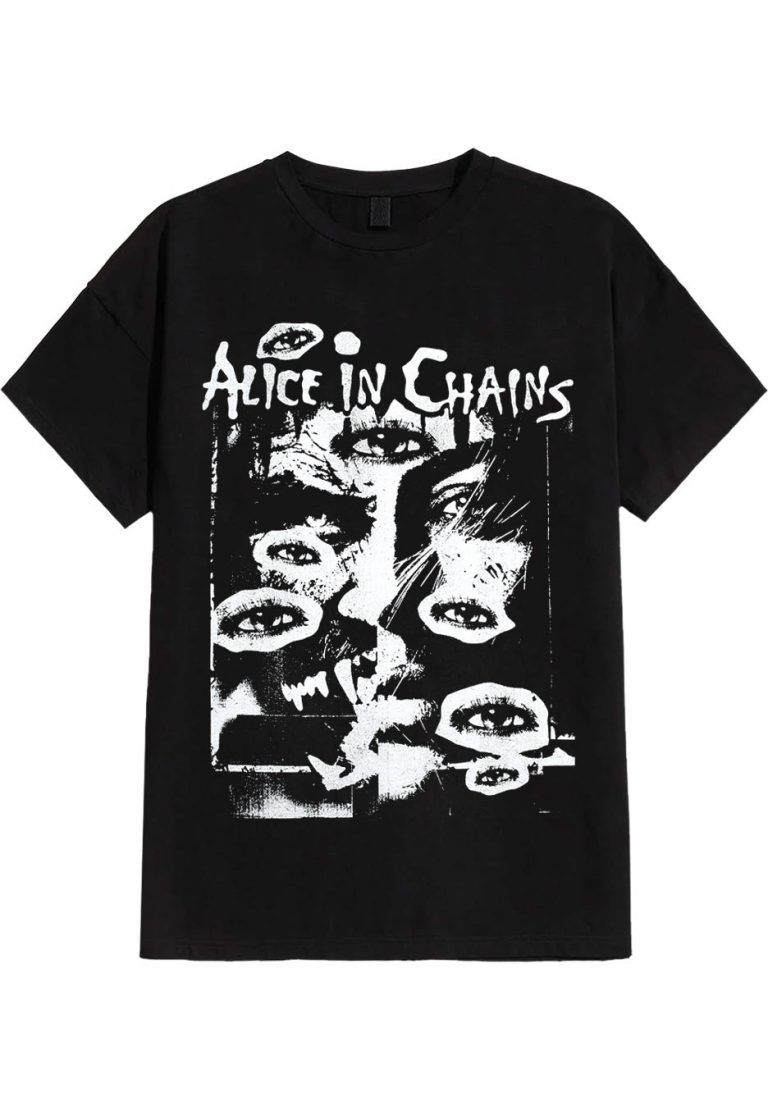
Alice in Chains All Eyes – T-Shirt
2026 Current
Listed price $24.99 (approx. ¥3,700)
View detailsShips from: Germany / shipping not included
Visit storeアリス・イン・チェインズ Records
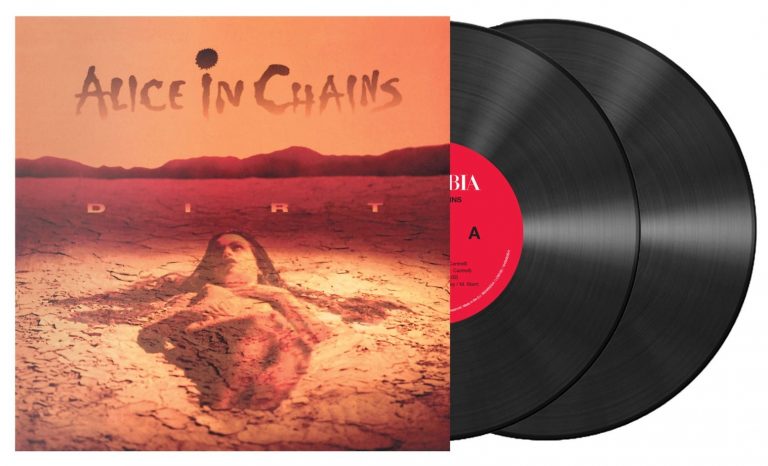
ALICE IN CHAINS ‘DIRT’ 2LP (30th Anniversary Edition Vinyl)
1996 SONY / Current Edition
Listed price $32.99 (approx. ¥4,900)
View detailsShips from: United States / shipping not included
Visit store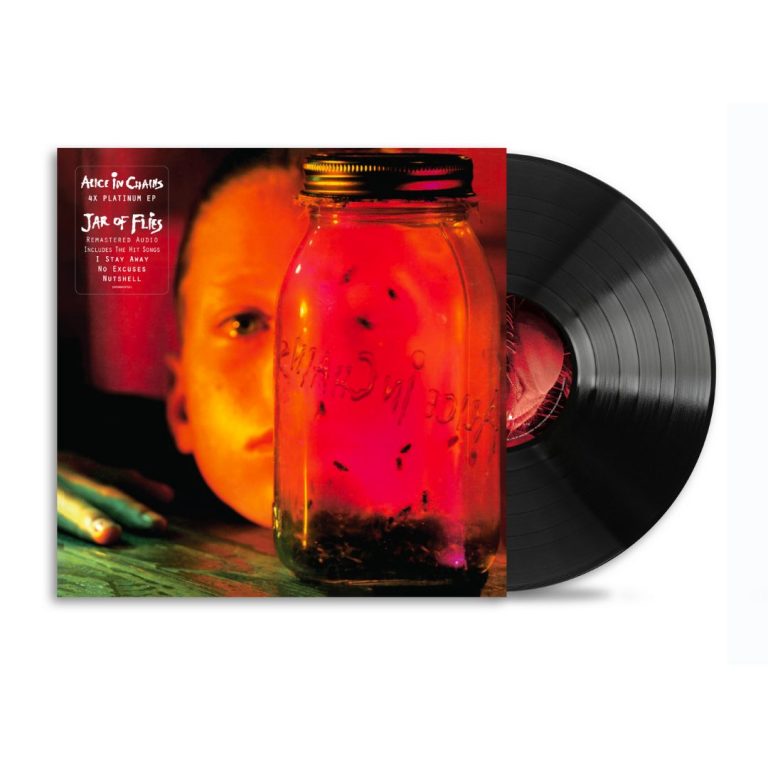
ALICE IN CHAINS ‘JAR OF FLIES’ LP (30th Anniversary Edition)
1996 SONY / Current Edition
Listed price $21.99 (approx. ¥3,300)
View detailsShips from: United States / shipping not included
Visit store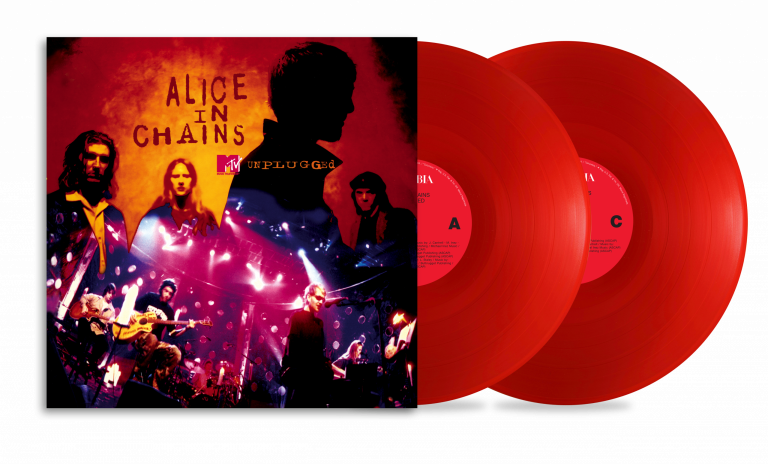
ALICE IN CHAINS ‘UNPLUGGED’ 2LP (Exclusive – Ruby Vinyl)
1996 SONY / Current Edition
Listed price $32.99 (approx. ¥4,900)
View detailsShips from: United States / shipping not included
Visit store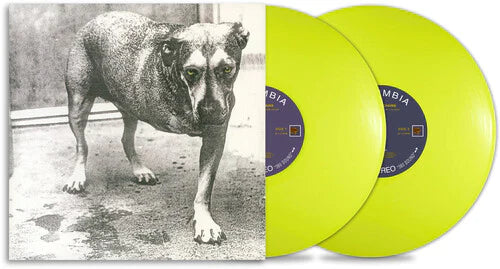
ALICE IN CHAINS ‘ALICE IN CHAINS’ 30TH ANNIVERSARY 2LP (Translucent Highlighter Yellow Vinyl)
1996 SONY / Current Edition
Listed price $39.99 (approx. ¥6,000)
View detailsShips from: United States / shipping not included
Visit store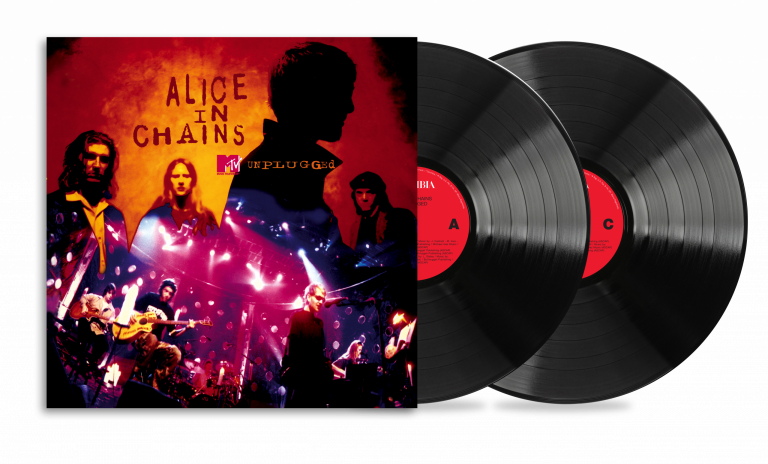
ALICE IN CHAINS ‘UNPLUGGED’ 2LP
1996 SONY / Current Edition
Listed price $29.99 (approx. ¥4,500)
View detailsShips from: United States / shipping not included
Visit store