Formation & Members
Bauhaus, often recognized as pioneers of the gothic rock genre, was formed in Northampton, England, in 1978. The band originally consisted of Peter Murphy (vocals), Daniel Ash (guitar), Kevin Haskins (drums), and David J (bass). Initially named Bauhaus 1919, a nod to the influential German art school, the band soon shortened their name to Bauhaus. Their sound and aesthetic were heavily influenced by the post-punk movement, but they quickly carved out their niche, characterized by somber tones and dramatic performances. Each member brought a unique element to the group, with Murphy’s brooding vocals and stage presence becoming iconic, while Ash’s innovative guitar work, Haskins’ rhythmic precision, and David J’s bass lines provided the perfect backdrop.
Musical Style & Characteristics
Bauhaus is often credited with defining the sound and aesthetics of gothic rock. Their music combines elements of punk rock’s raw energy with dark, atmospheric soundscapes. The use of reverb and echo in their recordings created an eerie, haunting sound that became their trademark. Lyrically, Bauhaus explored themes of existentialism, death, and romance, often drawing on literary and cinematic influences. The band’s visual style was equally striking, with Murphy’s theatrical performances often drawing comparisons to silent film stars and mythical creatures.
Key Works & Discography
Bauhaus released their debut single, “Bela Lugosi’s Dead,” in 1979, which became an anthem for the gothic subculture. The track’s extended runtime and minimalist, percussion-driven sound set the stage for what was to come. Their debut album, “In the Flat Field” (1980), received critical acclaim for its raw intensity and innovative approach to songwriting. Subsequent albums, including “Mask” (1981), “The Sky’s Gone Out” (1982), and “Burning from the Inside” (1983), further solidified their reputation. Each release showcased the band’s evolution, with more complex arrangements and a broader sonic palette. Bauhaus also experimented with covers, famously reimagining David Bowie’s “Ziggy Stardust,” which became a fan favorite.
Influence on Other Bands/Scenes
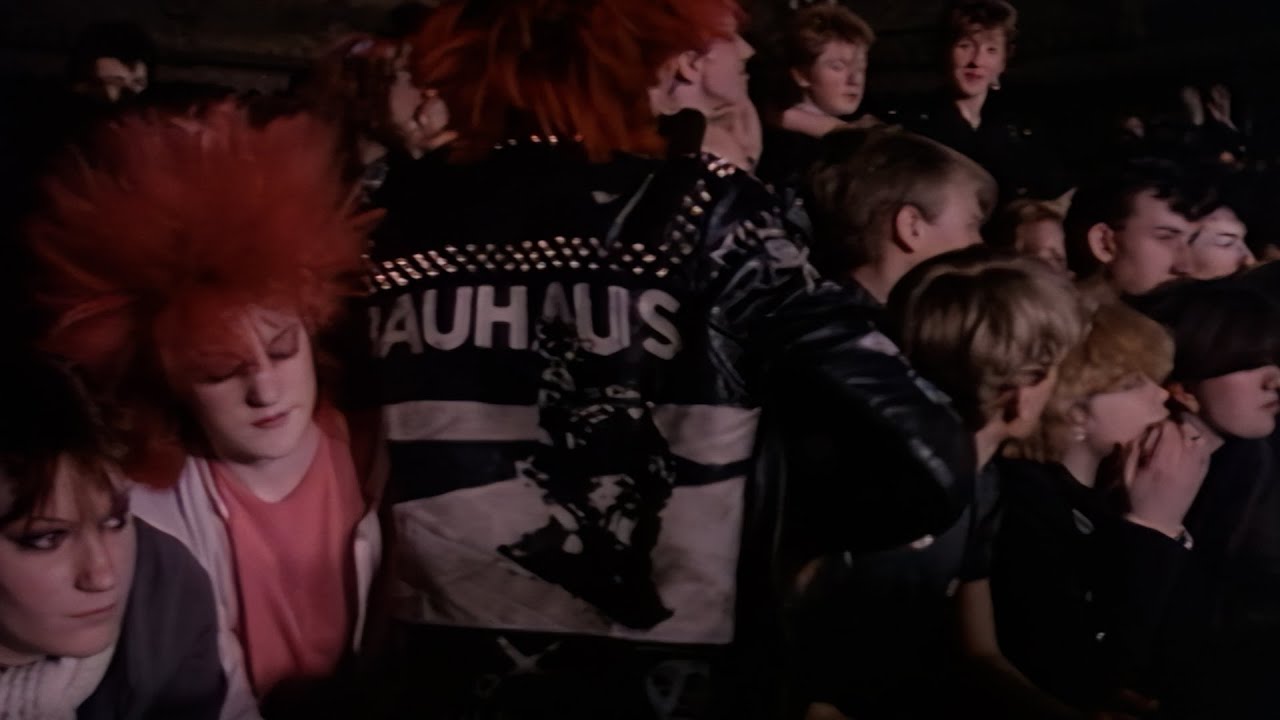
Bauhaus’s impact on the music scene was profound, particularly within the gothic rock and post-punk movements. Their innovative sound and aesthetic inspired a generation of musicians and bands, including The Cure, Siouxsie and the Banshees, and Nine Inch Nails. Bauhaus’s influence extended beyond music; they played a crucial role in shaping the visual and stylistic elements of the goth subculture. Their ability to blend art with music set a new standard for what a band could achieve, and their legacy is evident in the continued popularity of gothic rock and darkwave genres.
Breakups or Reunions
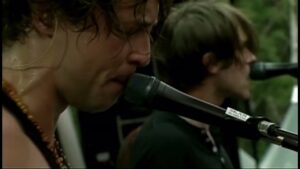
Bauhaus disbanded in 1983, following the release of “Burning from the Inside.” The breakup was attributed to creative differences and tensions within the group. However, the members pursued various solo projects, with Peter Murphy embarking on a successful solo career and Daniel Ash and Kevin Haskins forming Tones on Tail and later Love and Rockets with David J. In 1998, Bauhaus reunited for a series of shows, including a performance at the Coachella Valley Music and Arts Festival in 2005. This reunion sparked renewed interest in the band, leading to a tour and the release of their first studio album in 25 years, “Go Away White” (2008). Despite the success, the reunion was short-lived, and the band parted ways once more.
Current Reputation & Legacy
Today, Bauhaus is revered as a seminal band within the gothic rock genre. Their music continues to resonate with new generations of fans, and their influence is evident in the work of contemporary artists who draw inspiration from their style and sound. Bauhaus’s legacy is celebrated through various tributes and covers by bands across multiple genres, showcasing their enduring appeal. The band’s ability to capture the essence of darkness and beauty in their music has cemented their place in music history as pioneers and visionaries.
Conclusion
Bauhaus’s journey from the late 1970s to the present day is a testament to their enduring impact on the music world. As trailblazers of the gothic rock genre, they not only defined a sound but also created a cultural movement that continues to thrive. Bauhaus’s music, characterized by its haunting melodies and introspective lyrics, has left an indelible mark on both fans and fellow musicians. Though they experienced breakups and reunions, their legacy remains untarnished, and their influence continues to inspire and captivate audiences worldwide. Bauhaus’s unique blend of art and music ensures that they will always be remembered as one of the most innovative and influential bands of their time.
Band facts
| Formed | 1978 |
|---|---|
| Disbanded | 2008 |
| Origin | Northampton |
| Genres | punk rock / gothic rock |
| Labels | Beggars Banquet Records / 4AD / Small Wonder Records |
| Members | Peter Murphy / Daniel Ash / David J / Kevin Haskins |
Sources: Wikidata / MusicBrainz
Discography
| Year | Type | Title |
|---|---|---|
| 1980 | Album | In the Flat Field |
| 1981 | Album | Mask |
| 1982 | EP | Searching for Satori EP |
| 1982 | Album | The Sky’s Gone Out |
| 1983 | EP | Bauhaus E.P. |
| 1983 | Album | Burning From the Inside |
| 2008 | Album | Go Away White |
| 2009 | EP | …And Remains |
| 2018 | EP | The Bela Session |
| 1982 | Live | 1982‐05‐03: Odissea 2001, Milano, Italy |
| 1982 | Live | Press the Eject and Give Me the Tape |
| 1982 | Live | Tiffanys Leeds 25th April 1982 |
| 1983 | Compilation | 4AD |
| 1983 | Compilation | The Singles 1981–1983 |
| 1985 | Compilation | 1979–1983 |
Show all
| Year | Type | Title |
|---|---|---|
| 1986 | Compilation | 1979–1983, Volume One |
| 1986 | Compilation | 1979–1983, Volume Two |
| 1987 | Live | 1983‐06‐27: Tiffany’s, Glasgow, UK |
| 1989 | Compilation | Spirit |
| 1989 | Compilation / Live | Swing the Heartache: The BBC Sessions |
| 1991 | Live | Nightime |
| 1992 | Live | Rest in Peace: The Final Concert |
| 1993 | Live | In Fear of Fear |
| 1997 | Live | Live in the Studio 1979 |
| 1998 | Compilation | Bauhaus Reunion Tour CD |
| 1998 | Compilation | Crackle |
| 1999 | Live | Gotham |
| 2005 | Live | 2005‐10‐29: Los Angeles, CA, USA |
| 2005 | Live | Boston, MA 11.13.05 {Live at The Orpheum Theatre) |
| 2005 | Live | Chicago, IL 11.8.05 (Live at The Vic Theater) |
| 2005 | Live | Chicago, IL 11.9.05 (Live at The Vic Theater) |
| 2005 | Live | Instant Live: 2005‐11‐12: Nokia Theater, New York City, NY, USA |
| 2005 | Live | Instant Live: The Fillmore – San Francisco, CA 10.31.05 |
| 2005 | Live | New York City, NY 11.11.05 |
| 2005 | Live | San Francisco, CA 10.26.05 |
| 2005 | Live | Totally Undead at Coachella |
| 2009 | Live | This Is for When… |
| 2013 | Compilation | 5 Albums |
| 2013 | Compilation | Singles |
| 2020 | Live | Slice of Life |
| 2024 | Compilation / Live | BBC Radio Sessions, Vol. 1 |
| Live | 1980‐09‐09: Space Place, Chicago, IL, USA | |
| Live | 1980‐11‐26: SO 36 Club, Berlin, Germany | |
| Live | 1982‐11‐27: City Gardens, Trenton, NJ, USA | |
| Live | 1998‐09‐05: Harbor Lights, Boston, MA, USA | |
| Live | 1998‐10‐18: Kokusai Forum, Tokyo, Japan | |
| Live | 1998‐11‐07: Brixton Academy, London, UK |
Streaming
バウハウス T-shirts
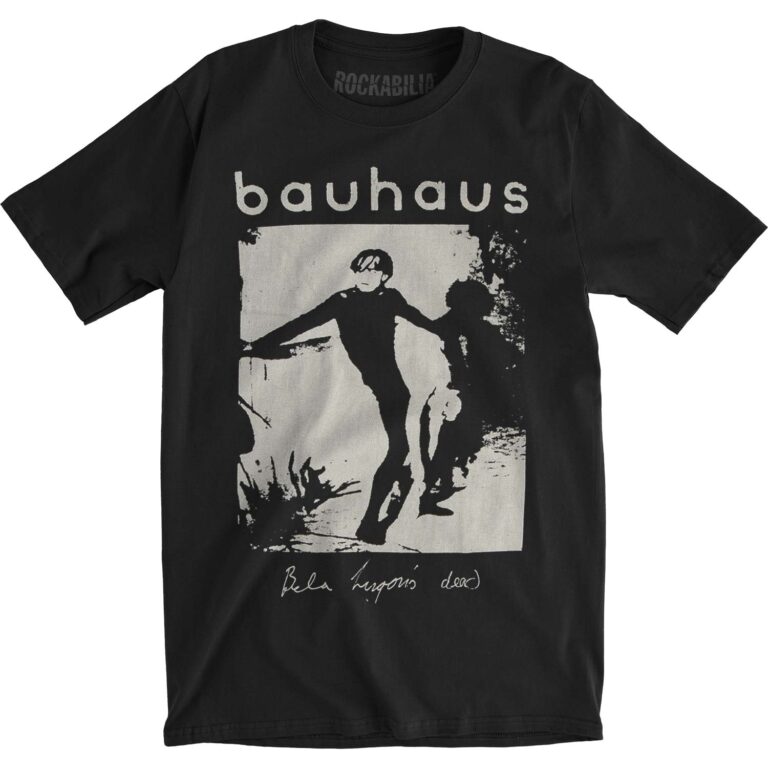
Bauhaus Bela Lugosi’s Dead Slim Fit T-shirt
2026 Current
Listed price $24.99 (approx. ¥3,700)
View detailsShips from: United States / shipping not included
Visit store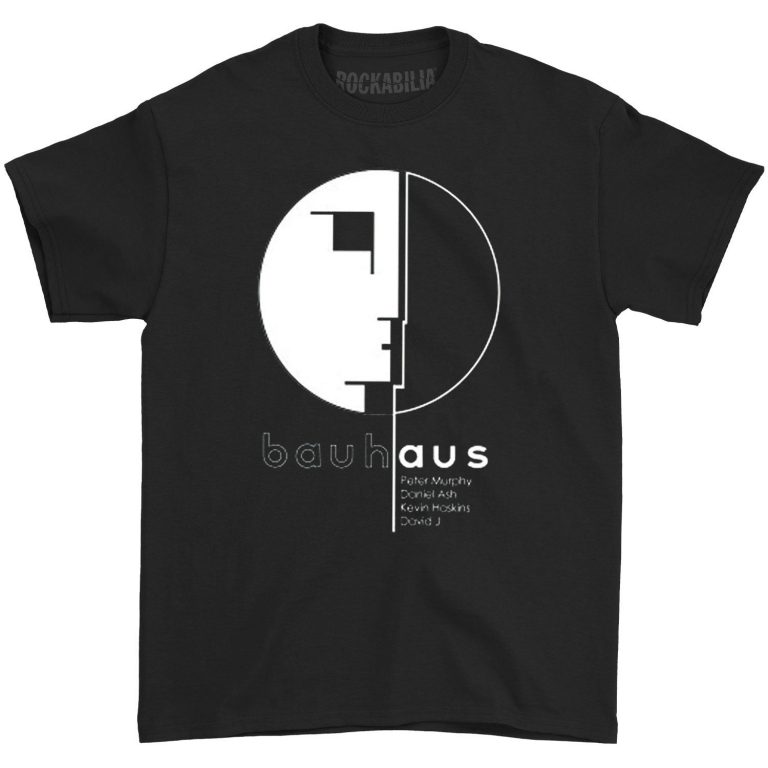
Bauhaus Brighter Mornings Slim Fit T-shirt
2026 Current
Listed price $24.99 (approx. ¥3,700)
View detailsShips from: United States / shipping not included
Visit store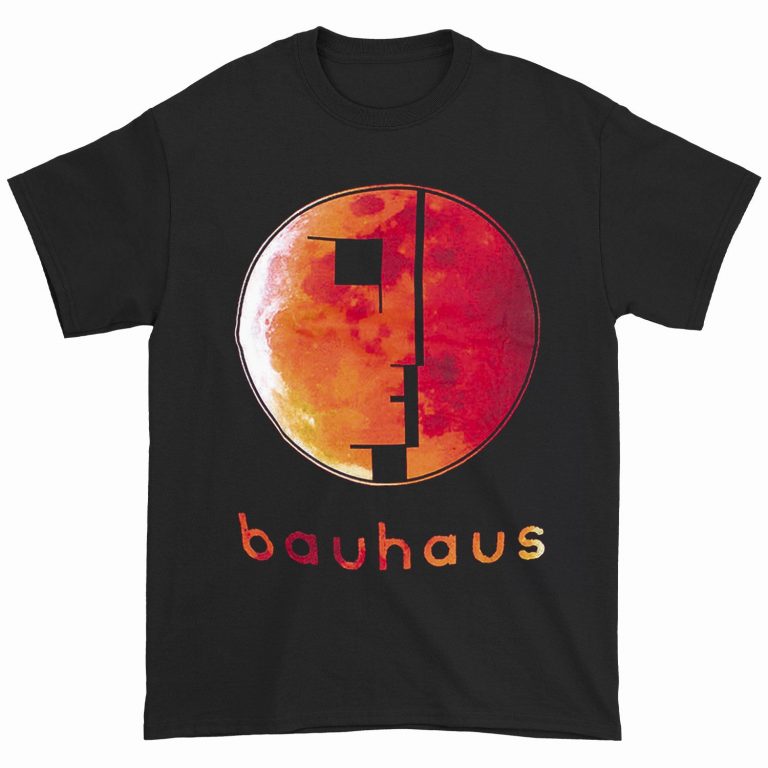
Bauhaus Blood Moon Slim Fit T-shirt
2026 Current
Listed price $24.99 (approx. ¥3,700)
View detailsShips from: United States / shipping not included
Visit store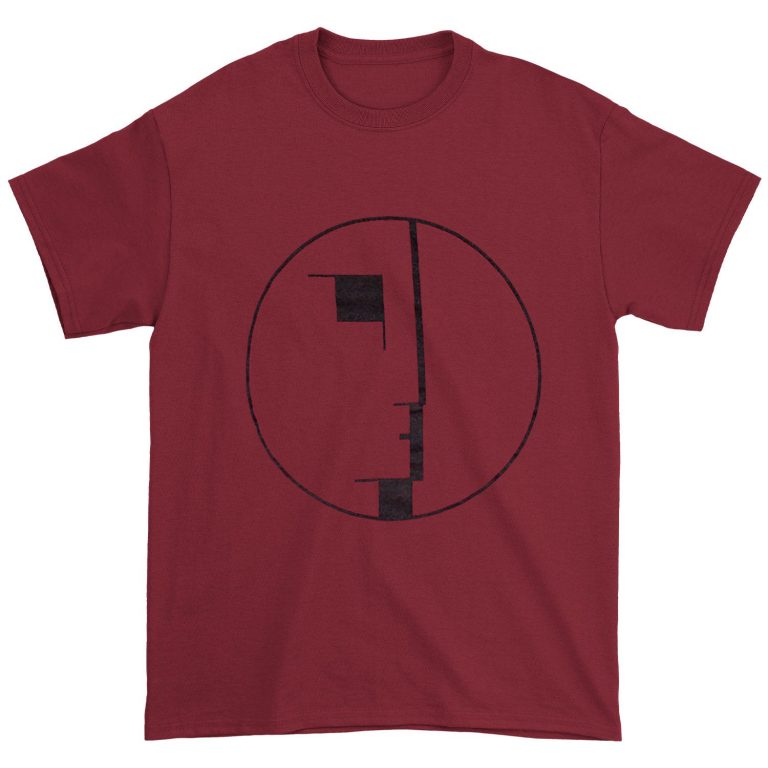
Bauhaus Spirit on Cardinal Tee T-shirt
2026 Current
Listed price $24.99 (approx. ¥3,700)
View detailsShips from: United States / shipping not included
Visit store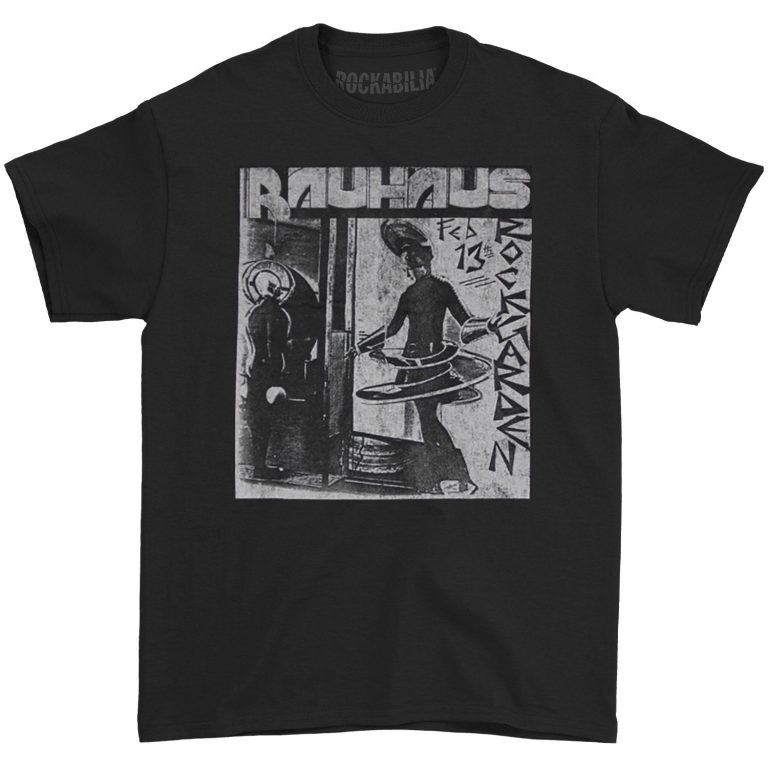
Bauhaus Rock Garden Retro T-shirt
2026 Current
Listed price $24.99 (approx. ¥3,700)
View detailsShips from: United States / shipping not included
Visit store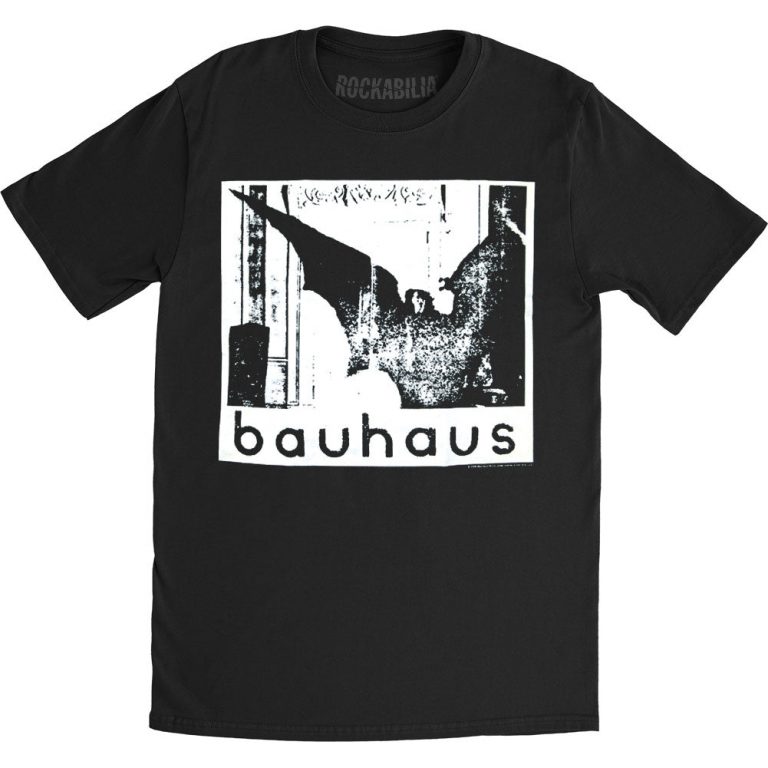
Bauhaus Undead Discharge Slim Fit T-shirt
2026 Current
Listed price $24.99 (approx. ¥3,700)
View detailsShips from: United States / shipping not included
Visit storeバウハウス Records
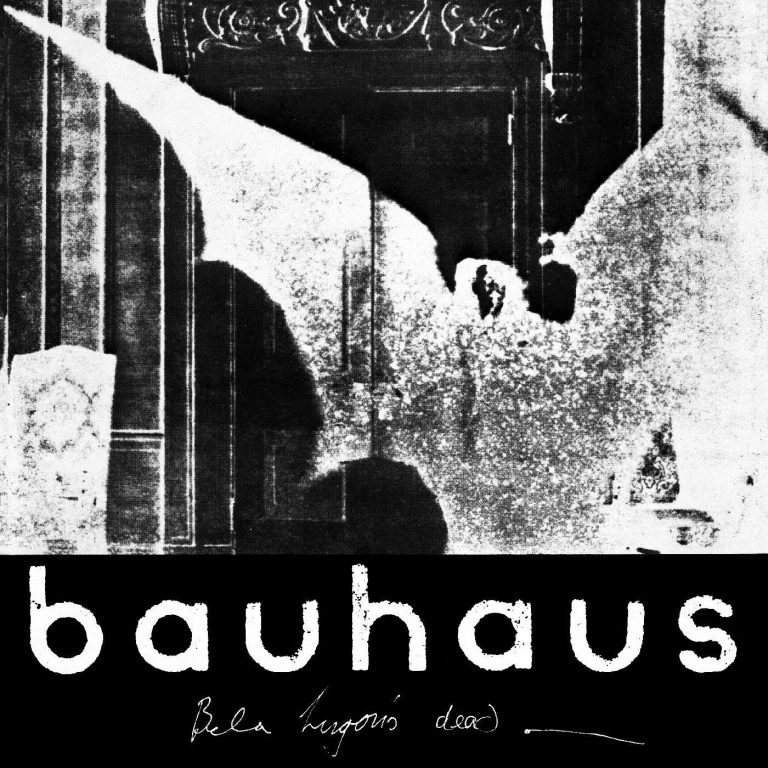
BAUHAUS ‘THE BELA SESSION’ LP (Black & Red Splatter Vinyl)
2026 Do Not Restock / Current Edition
Listed price $29.00 (approx. ¥4,400)
View detailsShips from: United States / shipping not included
Visit store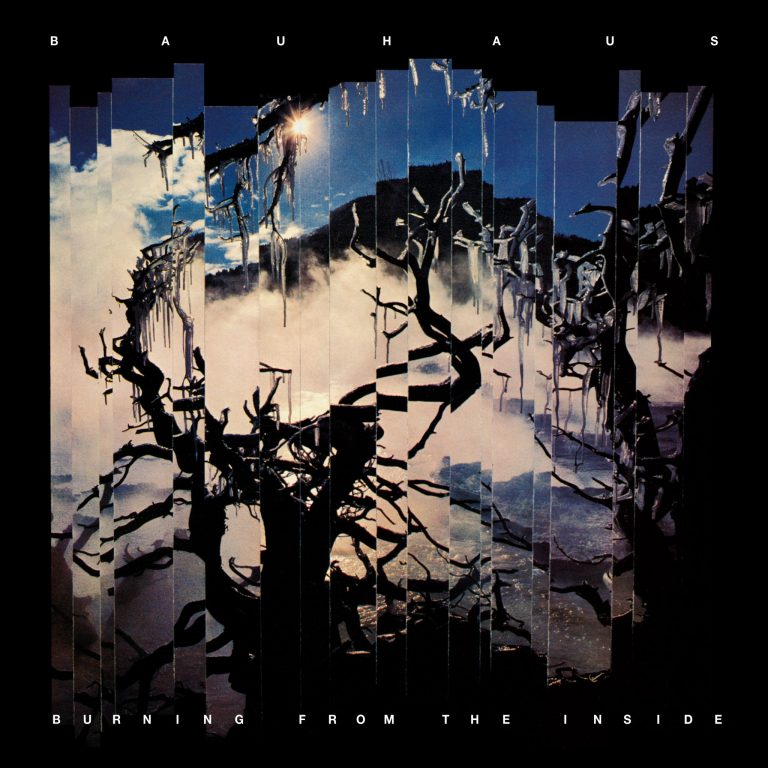
BAUHAUS ‘BURNING FROM THE INSIDE’ LP
2026 MATADOR DIRECT / Current Edition
Listed price $23.00 (approx. ¥3,500)
View detailsShips from: United States / shipping not included
Visit store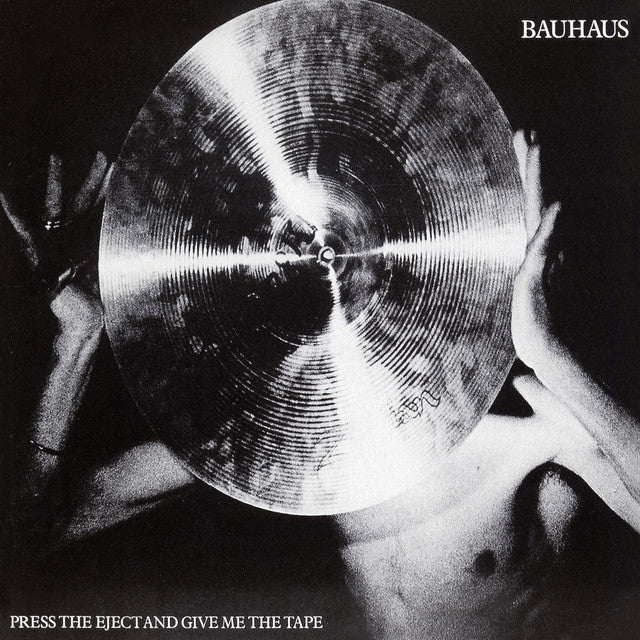
BAUHAUS ‘PRESS THE EJECT AND GIVE ME THE TAPE’ LP (White Vinyl)
2026 REVHQ / Current Edition
Listed price $28.00 (approx. ¥4,200)
View detailsShips from: United States / shipping not included
Visit store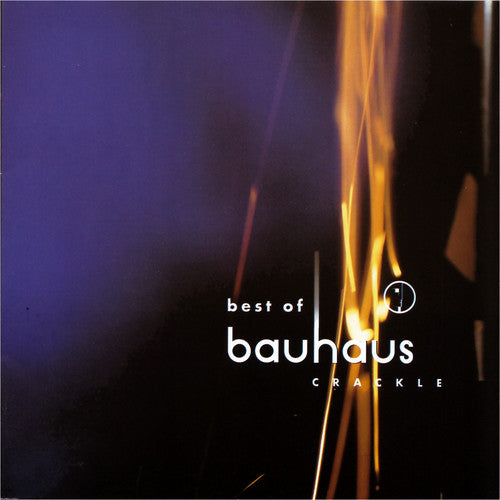
BAUHAUS ‘CRACKLE: BEST OF BAUHAUS’ 2LP
2026 MATADOR DIRECT / Current Edition
Listed price $28.00 (approx. ¥4,200)
View detailsShips from: United States / shipping not included
Visit store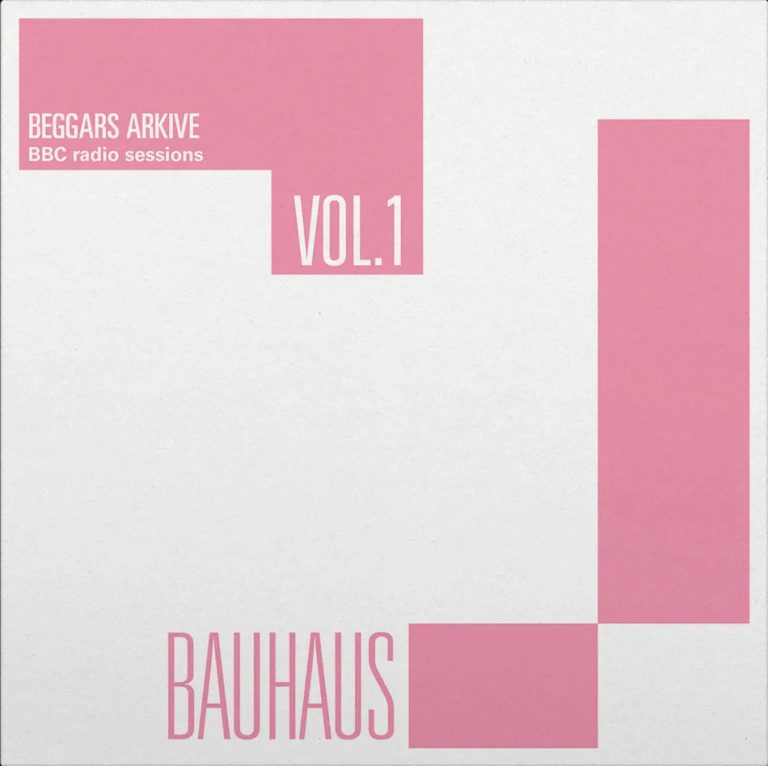
BAUHAUS ‘BBC RADIO SESSIONS VOL. 1’ LP
2026 MATADOR DIRECT / Current Edition
Listed price $17.99 (approx. ¥2,700)
View detailsShips from: United States / shipping not included
Visit store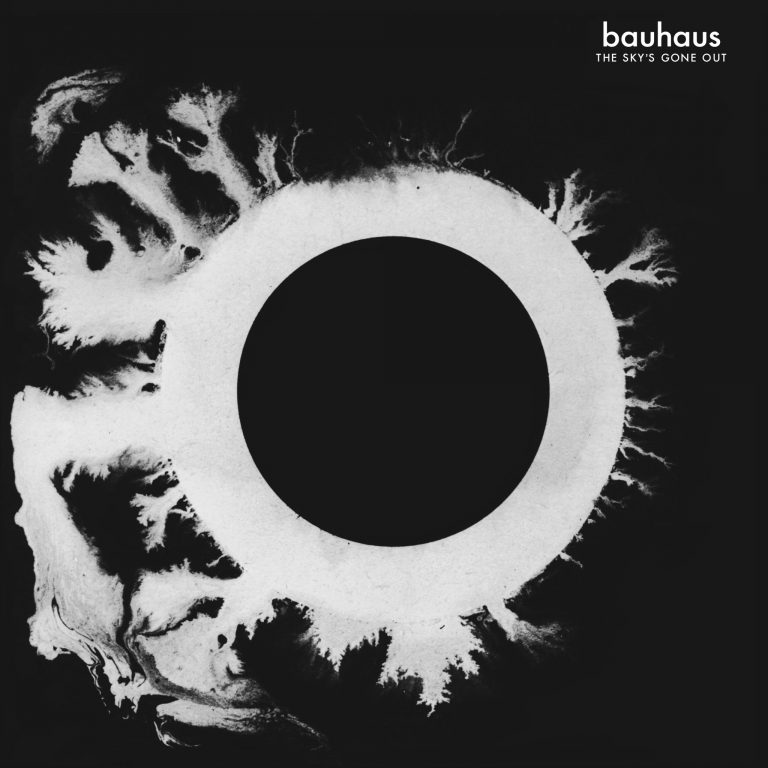
BAUHAUS ‘THE SKY’S GONE OUT’ LP
2026 MATADOR DIRECT / Current Edition
Listed price $23.00 (approx. ¥3,500)
View detailsShips from: United States / shipping not included
Visit store