Formation & Members
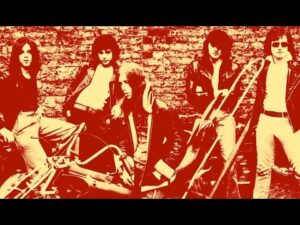
The Damned, known in Japan as ザ・ダムド, emerged from the burgeoning UK punk scene in the mid-1970s, a period characterized by musical experimentation and cultural rebellion. The band was formed in London in 1976, quickly becoming a pivotal force in the punk rock movement. The original lineup consisted of Dave Vanian (born David Letts) on vocals, Brian James (born Brian Robertson) on guitar, Captain Sensible (born Raymond Burns) on bass, and Rat Scabies (born Christopher Millar) on drums. This foursome brought together diverse musical influences and a shared passion for creating dynamic, energetic music that challenged the norms of the time.
Throughout the years, The Damned underwent numerous lineup changes, with Vanian as the only constant member. Captain Sensible eventually took over on guitar, while the bass guitar position saw various musicians, including Paul Gray and Patricia Morrison. These changes, rather than destabilizing the band, contributed to their evolving sound and enduring relevance in the punk and post-punk landscapes.
Musical Style & Characteristics
The Damned are renowned for their eclectic musical style that transcended the conventional boundaries of punk rock. While their early work was characterized by rapid tempos, raw energy, and rebellious lyrics typical of punk, they soon began to incorporate elements from other genres. Their sound evolved to include gothic rock, garage rock, and even psychedelia, marking them as pioneers in the post-punk movement.
Dave Vanian’s baritone vocals brought a unique theatrical flair to their music, often weaving dark and fantastical themes into their lyrics. The band’s ability to blend humor with horror, and aggression with melody, set them apart from their contemporaries. Their willingness to experiment musically without losing their core punk ethos is a defining characteristic that has kept them relevant over the decades.
Key Works & Discography
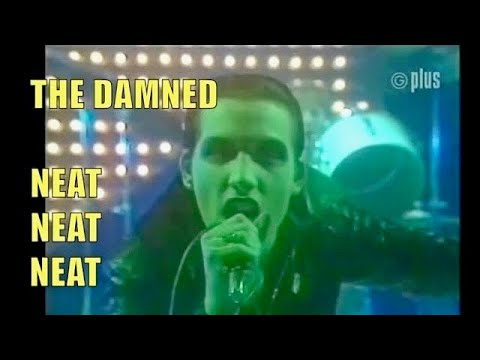
The Damned’s discography is a testament to their versatility and enduring appeal. Their debut album, “Damned Damned Damned” (1977), is widely regarded as one of the first punk albums released, featuring signature tracks like “New Rose” and “Neat Neat Neat” that captured the raw energy of early punk. Their sophomore effort, “Music for Pleasure” (1977), showcased a more refined sound but was met with mixed reviews.
It was with their third album, “Machine Gun Etiquette” (1979), that The Damned truly came into their own, blending punk with new wave influences to critical acclaim. Songs like “Smash It Up” and “Love Song” became anthems for a generation. The follow-up, “The Black Album” (1980), further cemented their status, experimenting with longer compositions and darker themes.
Over the years, The Damned continued to release impactful albums, including “Phantasmagoria” (1985) and “Strawberries” (1982), each showcasing their evolving sound and ability to adapt to the changing musical landscape.
Influence on Other Bands/Scenes
The Damned have been a significant influence on a wide range of bands across various genres. Their pioneering role in the punk movement inspired countless bands in the UK and beyond, including acts like The Clash and Sex Pistols. However, their influence extends far beyond punk, impacting the development of gothic rock, post-punk, and even alternative rock.
Their theatrical style and willingness to blend genres paved the way for bands such as Bauhaus and The Cure, who embraced similar gothic and experimental elements. The Damned’s music continues to resonate with newer generations of musicians, maintaining their status as icons in the punk and alternative music worlds.
Breakups or Reunions
The Damned’s history is marked by periods of turbulence and change, with several breakups and reunions over the years. The band initially disbanded in the early 1980s after internal disagreements and the changing musical landscape. However, they reunited later in the decade, driven by a renewed creative spirit and the enduring appeal of their music.
Subsequent years saw further lineup changes and temporary breaks, but The Damned consistently managed to regroup and continue performing. Their ability to overcome internal and external challenges speaks to their resilience and the strength of their fanbase, which has supported them through each phase of their career.
Current Reputation & Legacy
Today, The Damned are celebrated not only as punk pioneers but also as versatile artists who have left an indelible mark on music history. Their ability to evolve while staying true to their roots has earned them a devoted following worldwide. They are frequently cited in music literature and documentaries as key figures in the development of punk and post-punk music.
Their live performances continue to draw enthusiastic crowds, showcasing their enduring energy and passion for music. The Damned’s influence is evident in the work of contemporary bands who cite them as an inspiration, ensuring that their legacy continues to thrive in modern music culture.
Conclusion
The Damned’s journey from the early days of punk to their current status as legends in the music industry is a testament to their creativity, resilience, and impact. Their willingness to experiment and evolve, coupled with their dedication to their craft, has solidified their place in the annals of music history. As they continue to perform and inspire, The Damned’s legacy as innovators and icons of punk rock remains as relevant and revered as ever.