Formation & Members
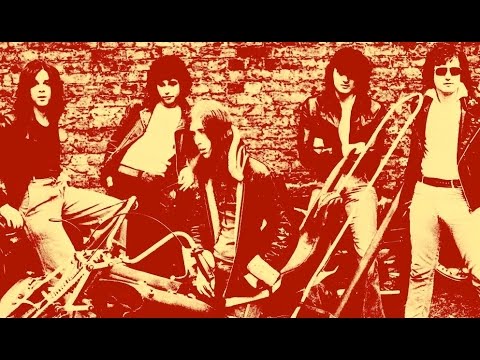
Count Bishops, known in Japanese as カウント・ビショップス, emerged in the vibrant punk scene of the mid-1970s. Founded in London in 1975, the band quickly became a staple in the burgeoning punk and pub rock circles. The original lineup consisted of lead vocalist Mike Spenser, guitarists Zenon DeFleur and Johnny Guitar, bassist Steve Lewins, and drummer Paul Balbi. The band underwent several lineup changes throughout their career, which is characteristic of many punk bands of that era. Notably, Spenser’s departure saw Dave Tice stepping in as the new frontman, which further defined the band’s evolving musical identity.
Musical Style & Characteristics
The Count Bishops’ musical style was a blistering blend of punk rock, R&B, and pub rock, making them a unique entity in the late 70s music scene. Their sound was characterized by gritty guitar riffs, a driving rhythm section, and raw, energetic vocals. While they shared the rebellious spirit of punk bands, their music was heavily influenced by the rhythm and blues tradition, which set them apart from their contemporaries. The band’s high-energy live performances were legendary, often leaving audiences breathless and craving more. Their music was a testament to their ability to blend the rawness of punk with the soulful undertones of R&B, creating a sound that was both nostalgic and refreshingly new.
Key Works & Discography
Count Bishops’ discography, though not extensive, is impactful and significant in the punk and pub rock genres. Their debut album, The Count Bishops, released in 1977, is a seminal work that encapsulates the raw energy and rebellious spirit of the band. Following this, they released Cross Cuts in 1979, which continued to build on their distinctive sound. The album featured a mix of original tracks and covers, showcasing their range and versatility. Their singles, such as “Train Train” and “Baby You’re Wrong,” became anthems of the underground punk scene. Despite their relatively short recording career, their works remain influential, capturing the essence of a transformative period in music history.
Influence on Other Bands/Scenes
Count Bishops played a crucial role in influencing the punk and pub rock scenes, both in the UK and internationally. Their unique blend of punk rock and R&B set a precedent for bands looking to bridge genres. They inspired a host of bands in the late 70s and early 80s, contributing to the evolution of punk into more diverse musical territories. Bands like The Clash and Dr. Feelgood drew inspiration from Count Bishops’ ability to merge raw punk energy with classic rock and roll influences. The band’s commitment to high-energy performances and authentic sound left a lasting imprint on the music scene, encouraging other bands to explore and expand their musical boundaries.
Breakups or Reunions
Like many bands of their era, Count Bishops experienced internal tensions and lineup changes that eventually led to their breakup. The band officially disbanded in 1980, shortly after the release of Cross Cuts. The departure of key members and the changing musical landscape contributed to their split. Despite the breakup, the band’s music continued to resonate with fans and musicians alike. There have been occasional talks and rumors of reunions over the years, but no official reunion has taken place. However, their legacy is kept alive through various tribute acts and covers by contemporary bands.
Current Reputation & Legacy
Today, Count Bishops are regarded as pioneers who helped shape the punk and pub rock scenes. Their music continues to be celebrated by punk enthusiasts and music historians for its raw energy and genre-blending innovations. The band’s records are frequently revisited by new generations of punk fans and are considered essential listening for those exploring the roots of punk rock. Their influence is evident in the works of numerous bands that followed, and their legacy is preserved through documentaries, retrospectives, and reissues of their classic albums.
Conclusion
In conclusion, Count Bishops hold a significant place in the history of punk and pub rock. Their ability to merge the rawness of punk with the soulful undertones of R&B created a sound that was both nostalgic and groundbreaking. Despite their relatively brief career, their influence is undeniable, leaving a lasting impact on the music scene. As we look back at the evolution of punk rock, Count Bishops stand out as a band that not only embraced the spirit of rebellion but also redefined musical boundaries, ensuring their place in the annals of music history.