Formation & Members
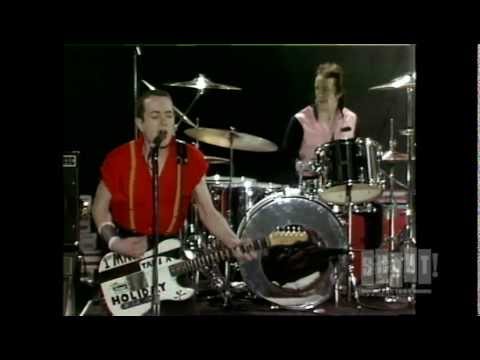
The Clash, often hailed as one of the most influential punk rock bands in history, emerged from the vibrant music scene of London in 1976. The original lineup consisted of Joe Strummer (vocals and rhythm guitar), Mick Jones (lead guitar and vocals), Paul Simonon (bass guitar and vocals), and Terry Chimes (drums). However, Chimes was soon replaced by Nicky “Topper” Headon, whose drumming would become a significant element of the band’s sound. The Clash was part of the first wave of British punk and quickly distinguished themselves from their contemporaries with their politically charged lyrics and eclectic musical influences.
Musical Style & Characteristics
The Clash’s music was characterized by its fusion of punk rock with elements of reggae, ska, funk, and rockabilly, creating a sound that was both innovative and accessible. Their lyrics often reflected their leftist political views, addressing issues such as class disparity, racial tension, and social injustice. The band’s ability to blend diverse genres with punk’s raw energy set them apart from their peers. Joe Strummer’s gritty vocals and Mick Jones’s melodic guitar work created a distinctive sound that resonated with fans across the globe. The rhythm section, driven by Paul Simonon’s basslines and Topper Headon’s versatile drumming, provided a robust foundation for their dynamic compositions.
Key Works & Discography
The Clash’s discography is a testament to their versatility and artistic growth. Their self-titled debut album, released in 1977, was a raw and urgent collection of songs that captured the spirit of the punk movement. Tracks like “White Riot” and “London’s Burning” became anthems for disaffected youth. Their second album, “Give ‘Em Enough Rope” (1978), further solidified their reputation and broadened their appeal internationally.
The band’s third album, “London Calling” (1979), is often regarded as their magnum opus. It showcased their ability to transcend the boundaries of punk, incorporating a wide range of musical styles. The title track, along with songs like “Spanish Bombs” and “Lost in the Supermarket,” demonstrated their lyrical depth and musical experimentation. “Sandinista!” (1980), a triple album, continued this exploration, featuring an eclectic mix of genres and political themes.
Their fifth album, “Combat Rock” (1982), yielded some of their most commercially successful singles, including “Rock the Casbah” and “Should I Stay or Should I Go.” The band released one more album, “Cut the Crap” (1985), but it was met with mixed reviews and is often seen as a footnote in their otherwise illustrious career.
Influence on Other Bands/Scenes
The Clash’s impact on the music world is immeasurable. They were instrumental in pushing the boundaries of punk rock and inspiring a generation of musicians to explore new sounds and social themes. Their willingness to experiment with different genres paved the way for bands like Rancid, Green Day, and The Offspring, who drew on punk’s energy while embracing broader musical influences. Their politically conscious lyrics also resonated with bands across various genres, encouraging artists to address social and political issues in their music.
Beyond their influence on punk rock, The Clash’s incorporation of reggae and ska into their music played a significant role in popularizing these genres outside of their traditional audiences. Their pioneering spirit and commitment to authenticity have inspired countless artists and continue to do so to this day.
Breakups or Reunions
The Clash experienced significant internal tensions during their career, particularly between Joe Strummer and Mick Jones. These tensions culminated in Jones’s departure from the band in 1983. Although the band attempted to continue with new members, the chemistry was never the same, and The Clash officially disbanded in 1986 after the release of “Cut the Crap.”
Despite numerous rumors and fan hopes, a full-fledged reunion of the original lineup never materialized. Joe Strummer’s untimely death in 2002 marked the end of any possibility for a reunion. However, the surviving members have occasionally collaborated on various projects, keeping the spirit of The Clash alive in different forms.
Current Reputation & Legacy
The Clash’s reputation has only grown since their disbandment. They are often cited as one of the greatest bands of all time and continue to be a touchstone for musicians and fans alike. Their music remains relevant, with its themes of social justice and resistance resonating with new generations. The band’s influence can be seen in the continued popularity of punk and alternative music, as well as in the political engagement of artists across genres.
In 2003, The Clash was inducted into the Rock and Roll Hall of Fame, cementing their status as cultural icons. Their legacy is maintained through reissues of their albums, documentaries, and books that chronicle their storied career. The band’s ethos of challenging authority and advocating for change continues to inspire those who seek to use music as a means for social commentary.
Conclusion
The Clash’s story is one of innovation, passion, and resilience. They emerged from the London punk scene as a band determined to make music that mattered, and they succeeded in leaving an indelible mark on the world. Through their fusion of musical styles and politically charged lyrics, they transcended the limitations of punk rock and created a lasting legacy that continues to influence artists and listeners alike. The Clash’s music remains a powerful testament to the transformative power of art and its ability to inspire change.