
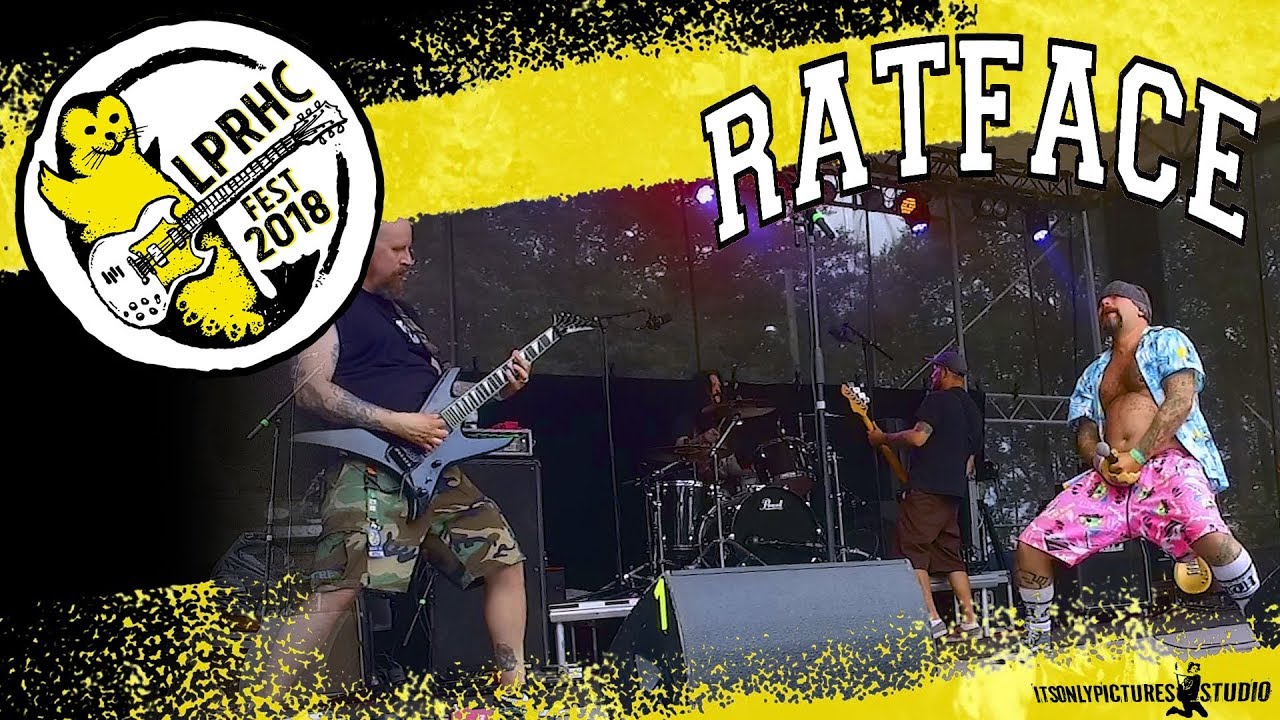
Formation & Members
Ratface, known as ラットフェイス in their native Japan, emerged from the vibrant underground scene of Tokyo in the early 1990s. The band was formed by a group of friends who were united by their shared passion for punk and hardcore music, as well as their desire to create something raw and impactful. The original lineup consisted of Hiroshi Tanaka on vocals, Jun Nakamura on guitar, Yuki Sato on bass, and Kenji Fujimoto on drums. Over the years, this lineup saw several changes, but the core ethos of the band remained steadfast, with Hiroshi and Jun being the stalwarts who continued to drive the band’s creative vision.
Musical Style & Characteristics
Ratface’s sound is a relentless onslaught of aggressive guitar riffs, pounding drums, and visceral vocal deliveries. Their music is a fusion of traditional punk rawness with the intensity of hardcore, characterized by fast tempos and powerful, anthemic choruses. The band drew influence from both Western punk legends like Black Flag and The Clash, and Japanese contemporaries such as The Blue Hearts and GISM. Lyrically, Ratface’s songs often tackle themes of societal disillusionment, personal struggle, and anti-establishment sentiments, all delivered with a sense of urgency that resonates deeply with their audience.
Key Works & Discography
Ratface’s discography is a testament to their evolution as a band while remaining true to their punk roots. Their debut album, “Concrete Jungle” (1993), was a raw and unfiltered introduction to their sound, featuring tracks that have since become anthems within the punk community. Subsequent albums like “Urban Decay” (1996) and “No Control” (1999) showcased a maturation in their songwriting and a more polished production, without losing the grit that defined their early work.
In the 2000s, Ratface released “Chaos Theory” (2003) and “Resist and Exist” (2007), which were both critically acclaimed for their innovative approach to punk music. These albums saw the band experimenting with new sounds and incorporating elements from other genres, yet still maintaining the core intensity that fans had come to expect. Their most recent release, “Echoes of Rebellion” (2015), is a powerful reflection on both their journey as a band and the state of the world, solidifying their status as stalwarts of the punk scene.
Influence on Other Bands/Scenes
Ratface’s influence extends far beyond their immediate fanbase, inspiring a new generation of punk and hardcore bands both in Japan and internationally. Their relentless energy and commitment to authenticity have set a benchmark for other bands in the genre. In Japan, their impact is evident in the vibrant punk scenes of cities like Osaka and Nagoya, where many bands cite Ratface as a primary influence. Internationally, they have been recognized by punk communities in the US and Europe, often being credited with bringing a unique Japanese perspective to the global punk narrative.
Breakups or Reunions
Like many bands with a long history, Ratface has experienced its share of ups and downs. In the early 2000s, the band went on a brief hiatus following the departure of bassist Yuki Sato, causing fans to speculate about their future. However, the band returned with renewed vigor, recruiting new members and continuing to produce music and perform live. Their resilience through lineup changes and industry challenges has only strengthened their bond with their fans, who continue to support them through thick and thin.
Current Reputation & Legacy
Today, Ratface is regarded as one of the most influential bands in the Japanese punk and hardcore scene. Their dedication to their craft and their ability to evolve while staying true to their roots have earned them a loyal following and critical acclaim. Ratface concerts are a testament to their enduring appeal, with audiences ranging from long-time fans who have followed them from the start to young punks discovering their music for the first time.
The band’s legacy is cemented not just in their music, but in their role as pioneers who have paved the way for future generations of punk musicians in Japan and beyond. Their influence can be seen in the countless bands that have emerged in their wake, carrying forward the torch of rebellion and individuality that Ratface ignited.
Conclusion
Ratface’s journey is a compelling narrative of perseverance, creativity, and impact. From their inception in the bustling underground scene of Tokyo to their status as icons of punk music, the band has remained a powerful force in the genre. Their music continues to resonate with audiences around the world, and their legacy as trailblazers of Japanese punk is firmly established. As they continue to create and inspire, Ratface stands as a testament to the power of music to challenge, unite, and endure.