Formation & Members
Negazione, often stylized in Japanese as ネガティヴランド, emerged from the vibrant Italian punk scene in the early 1980s. Formed in Turin in 1983, the band was the brainchild of Marco Mathieu (bass), Roberto “Tax” Farano (guitar), and Guido Sassola, commonly known by his stage name Zazzo (vocals). The trio was later joined by drummer Fabrizio Fiegl, known as “Brix,” solidifying a lineup that would become synonymous with the hardcore punk movement in Italy. Drawing inspiration from both the burgeoning international punk scene and their own cultural roots, Negazione quickly established themselves as a force to be reckoned with in the European music landscape.
Musical Style & Characteristics
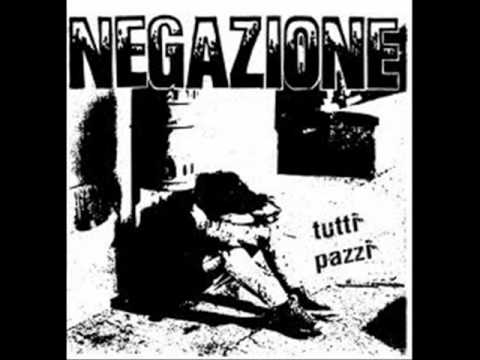
Negazione’s sound was a raw, visceral blend of hardcore punk with elements of thrash and metal, a hybrid that set them apart from many of their contemporaries. Their music was characterized by rapid tempos, aggressive guitar riffs, and Zazzo’s impassioned vocal delivery. The band’s lyrics, often politically charged and introspective, resonated with a generation grappling with social and political upheaval. Songs like “Tutti Pazzi” and “Lo Spirito Continua” displayed the band’s ability to marry frenetic energy with poignant, thought-provoking content. Negazione’s music was not merely a sonic assault; it was a call to arms, an embodiment of youthful rebellion and anarchy.
Key Works & Discography
Negazione’s discography is a testament to their relentless drive and creative output. Their debut EP, “Mucchio Selvaggio,” released in 1984, laid the groundwork for their subsequent releases. However, it was their 1986 album “Lo Spirito Continua” that truly captured the essence of their sound and message. This record is often cited as one of the seminal works in the hardcore punk genre, featuring tracks that are still celebrated for their intensity and lyrical depth.
Their 1989 album “Little Dreamer” marked a significant evolution in their music, incorporating more complex arrangements and a broader sonic palette, while maintaining the raw energy that defined their earlier work. The follow-up, “100%,” released in 1990, further cemented their status as pioneers in the Italian punk scene, showcasing a band at the height of their creative powers.
Influence on Other Bands/Scenes
Negazione’s impact on the punk and hardcore scenes cannot be overstated. They were among the first Italian punk bands to achieve international recognition, touring extensively across Europe and North America. Their music and ethos influenced a myriad of bands, not just within Italy, but across the globe. Their DIY approach to music-making and distribution inspired countless other bands to take control of their creative destinies, fostering a sense of community and independence within the punk scene.
In Italy, Negazione’s success helped to galvanize the local punk scene, encouraging a wave of new bands to emerge in their wake. Their fearless experimentation and refusal to conform to musical norms set a precedent for the genre, expanding the boundaries of what punk music could be.
Breakups or Reunions
Despite their success, internal tensions and the pressures of constant touring began to take their toll on Negazione by the early 1990s. The band officially disbanded in 1992, following the release of their live album “Storie di Tutti i Giorni,” which captured the raw energy of their stage performances and served as a fitting farewell to their fans.
In the years since their breakup, there have been sporadic rumors of reunions. However, the band members have largely pursued separate paths, with Zazzo becoming a prominent figure in the Italian media landscape and Marco Mathieu continuing to work in music journalism and writing. Despite the lack of formal reunions, the legacy of Negazione continues to be celebrated through tribute concerts and retrospectives.
Current Reputation & Legacy
Negazione’s influence endures, with new generations of punk and hardcore fans discovering their music. Their records are frequently cited as essential listening for anyone interested in the genre, and their impact on the development of punk in Italy is undeniable. The band’s ability to blend ferocious musicality with introspective and politically aware lyrics set a standard that continues to inspire musicians today.
In recent years, there has been a resurgence of interest in Negazione’s work, with reissues of their albums and documentaries exploring their history and significance. Their legacy is not just a testament to their music, but also to their role in shaping a cultural movement that championed individuality, resistance, and artistic freedom.
Conclusion
Negazione, or ネガティヴランド, remains a pivotal chapter in the history of punk and hardcore music. Their journey from the streets of Turin to the stages of the world is a testament to their passion, creativity, and uncompromising spirit. While their active years were relatively brief, the impact they made on the music world is profound and lasting. As punk continues to evolve, the echoes of Negazione’s music and message can still be heard, a reminder of the power of music to challenge, inspire, and unite.