Formation & Members
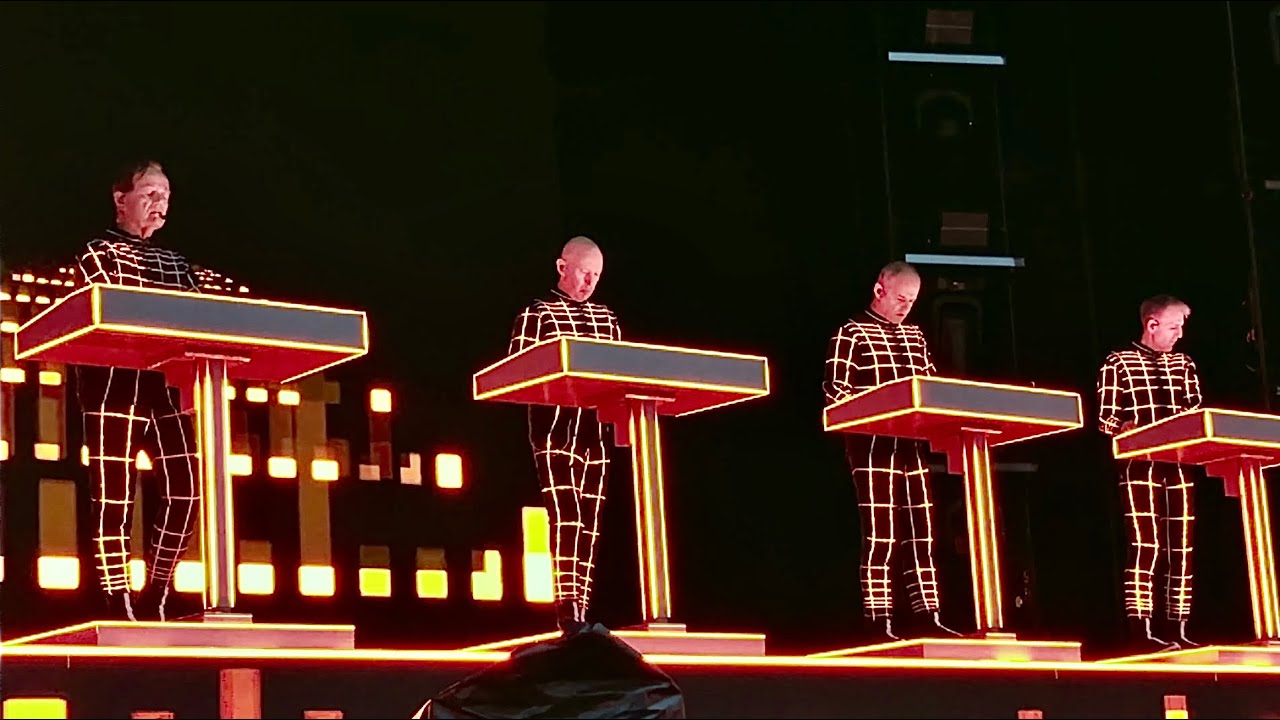
Kraftwerk, often mistakenly categorized solely as pioneers of electronic music, also left an indelible mark on the punk and hardcore scenes. Formed in Düsseldorf, Germany, in 1970 by Ralf Hütter and Florian Schneider, the band originally emerged during a period of musical experimentation and innovation. Although not traditionally recognized as a punk or hardcore band, Kraftwerk’s minimalist approach and DIY ethos resonated with the punk philosophy. Over the years, the lineup included several other musicians, but Hütter and Schneider remained the core members until Schneider’s departure in 2008. The band’s use of unconventional instruments and technology set them apart, influencing a wide array of genres, including punk and hardcore.
Musical Style & Characteristics
Kraftwerk’s musical style is characterized by its pioneering use of electronic instrumentation, including synthesizers, drum machines, and vocoders. Their sound is marked by repetitive rhythms, catchy melodies, and a robotic aesthetic, which contrasted sharply with the rock-dominated music scene of the time. This stripped-down, machine-driven sound laid the groundwork for punk’s raw and unpolished vibe. Kraftwerk’s music often features themes of modernity, technology, and the human-machine interface, which inspired the lyrical content of many punk bands that followed. Their minimalist approach and focus on authenticity and self-production paralleled the punk movement’s anti-establishment stance.
Key Works & Discography
Kraftwerk’s discography is rich with groundbreaking albums that have become cornerstones of electronic music, yet their influence extends far into the punk and hardcore realms. “Autobahn” (1974) marked their international breakthrough, introducing their signature sound to a global audience. “Radio-Activity” (1975) and “Trans-Europe Express” (1977) further solidified their reputation, with the latter often cited for its proto-punk elements. “The Man-Machine” (1978) and “Computer World” (1981) continued to push boundaries, incorporating more complex themes and sounds that would inspire future generations of musicians across various genres. These works are celebrated not only for their innovation but also for their impact on the DIY ethos embraced by punk bands.
Influence on Other Bands/Scenes
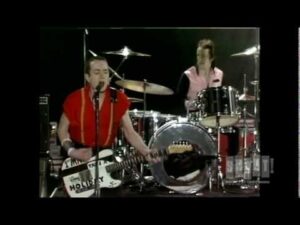
Kraftwerk’s influence on punk and hardcore might not be immediately apparent, but a closer examination of their ethos reveals a deep connection. The band’s emphasis on self-production and artistic control resonated with punk bands looking to break free from the constraints of the mainstream music industry. Their minimalist approach inspired the stripped-down sound of many punk groups, while their use of technology hinted at the possibilities of electronic experimentation within punk and hardcore music. Bands such as The Clash, Joy Division, and later post-punk and hardcore bands, often cited Kraftwerk as an influence. Their music encouraged a do-it-yourself mentality that became a cornerstone of the punk philosophy.
Breakups or Reunions
Unlike many punk and hardcore bands, Kraftwerk has maintained a relatively steady presence in the music world. Florian Schneider’s departure in 2008 marked a significant change, but the band continued to tour and produce music under Ralf Hütter’s guidance. There have been no formal breakups or reunions in the traditional sense; instead, Kraftwerk has evolved continuously, adapting to new technologies and musical landscapes. Their ability to remain relevant over decades speaks to their innovative spirit and enduring appeal, even as they have faced changes in their lineup and the music industry at large.
Current Reputation & Legacy
Kraftwerk’s legacy is vast and multifaceted, reaching well beyond the confines of electronic music. They are celebrated as pioneers of the genre, but their impact on punk and hardcore is equally significant. Today’s music landscape is dotted with artists who draw inspiration from Kraftwerk’s innovative use of technology and their commitment to artistic integrity. The band’s exploration of themes such as automation, urbanization, and technology has proven timeless, resonating with new generations of musicians and fans alike. Kraftwerk’s influence can be seen in the work of contemporary punk and hardcore bands who embrace electronic elements and experimental sounds.
Conclusion
Kraftwerk’s role as a bridge between electronic music and punk/hardcore is a testament to their transformative influence on the music industry. By embracing technology and innovation while maintaining a DIY ethos, they have inspired countless artists across genres. Their minimalist style, thematic depth, and pioneering spirit continue to be celebrated by fans and musicians alike. Kraftwerk’s contribution to punk and hardcore may not be as overt as other bands within the scene, but their impact is undeniable. As music continues to evolve, Kraftwerk’s legacy will undoubtedly inspire future generations to explore the boundaries of sound and artistic expression.