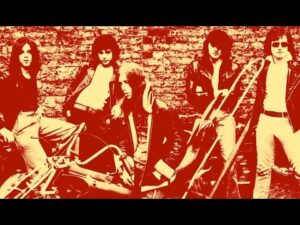

Formation & Members
Formed in 1979 in Sydney, Australia, Feedtime (フィード・タイム) emerged as a crucial component of the burgeoning punk and hardcore scene. The band was founded by Rick Johnson (guitar, vocals), Al Larkin (bass, vocals), and Tom Sturm (drums), who shared a mutual love for raw, unfiltered rock and roll. This trio would become known for their distinctive sound and unrelenting energy, leaving an indelible mark on the underground music landscape.
Originally playing in local clubs and venues around Sydney, Feedtime quickly gained a reputation for their intense live performances. These shows often featured a cacophony of sound that resonated with the burgeoning punk rock ethos of the time. Despite the chaotic nature of their music, the band members were known for their tight-knit chemistry both onstage and off, a camaraderie that would sustain them through various phases of their career.
Musical Style & Characteristics
Feedtime’s sound is characterized by a raw, visceral intensity that combines elements of punk rock, hardcore, and noise rock. The band utilized a minimalist approach, often eschewing complex arrangements in favor of straightforward, pounding rhythms and gritty guitar riffs. Rick Johnson’s guitar work, marked by distortion and feedback, provided a harsh yet hypnotic texture that was complemented by Al Larkin’s driving bass lines and Tom Sturm’s relentless drumming.
The band’s vocal style is equally distinctive, with a gruff delivery that matches the rawness of their instrumentation. Their lyrics often touch on themes of urban alienation, existential angst, and societal frustration, resonating deeply with fans who felt similarly disillusioned by the status quo. Feedtime’s music is frequently described as primal and unpolished, a deliberate choice that underscores their commitment to authenticity over commercial appeal.
Key Works & Discography
Feedtime’s discography begins with their self-titled debut album, released in 1985. This record set the tone for their future work, featuring tracks that would become staples in their live performances. The follow-up album, “Shovel,” released in 1986, further cemented their status in the punk scene, with standout tracks like “Ha Ha” and “Don’t Like.”
Their third album, “Cooper-S,” came out in 1988, showcasing a slight evolution in their sound while maintaining the raw energy that fans had come to love. This album, along with their earlier works, was later reissued by Sub Pop in 2012, introducing a new generation to their music. “Billy,” released in 1996, marked a brief return after a period of inactivity, featuring a more refined yet still aggressive sound.
In addition to their studio albums, Feedtime’s live recordings and EPs, such as “Suction” and “Flatiron,” are highly regarded for capturing the intensity of their live shows. These works collectively highlight the band’s ability to harness chaos and turn it into compelling music.
Influence on Other Bands/Scenes
Feedtime’s influence extends far beyond their immediate geographical and temporal context. They are often credited with helping to shape the noise rock genre, influencing bands like The Jesus Lizard, Shellac, and Mudhoney. Their minimalist approach and raw sound have inspired countless musicians seeking to break free from traditional rock and roll conventions.
Moreover, Feedtime’s impact is notable in the DIY punk scene, where their ethos of authenticity and unfiltered expression resonated with bands across the globe. Their music has been cited as an inspiration by artists who prioritize integrity and raw emotion over mainstream acceptance, cementing their legacy as pioneers of an uncompromising musical style.
Breakups or Reunions
Feedtime experienced several breakups and reunions throughout their career. After their initial run ended in the late 1980s, the band went on hiatus, with members pursuing other projects. They briefly reunited in the mid-1990s to release “Billy” before disbanding again.
The band reformed once more in 2011 for a series of live performances, including a notable appearance at the All Tomorrow’s Parties festival curated by The Breeders. This reunion was well-received by fans and critics alike, leading to the reissue of their back catalog by Sub Pop Records in 2012. Despite their sporadic activity, each reunion has been met with enthusiasm, demonstrating the enduring appeal of their music.
Current Reputation & Legacy
Today, Feedtime is recognized as a seminal band within the punk and hardcore genres. Their music continues to resonate with new listeners, and their influence is evident in the works of contemporary bands who draw from their raw, unpolished sound. Despite never achieving mainstream commercial success, Feedtime’s legacy is secure within the annals of underground music history.
Critics often praise the band for their uncompromising approach and their ability to craft music that remains relevant decades after its initial release. The reissues of their albums have been met with critical acclaim, highlighting the timeless nature of their work and ensuring that Feedtime’s legacy will continue to inspire future generations of musicians.
Conclusion
Feedtime stands as a testament to the power of raw, unfiltered expression in music. Their minimalist approach and intense sound have left a lasting impact on the punk and hardcore scenes, influencing countless bands and continuing to captivate listeners around the world. While their journey has been marked by periods of inactivity, the band’s reunions and reissues have only solidified their status as pioneers of a genre that values authenticity above all else.
As Feedtime continues to be discovered by new audiences, their music serves as a reminder of the enduring power of punk rock to challenge, provoke, and inspire. Their legacy is not only preserved in their recordings but also in the spirit of rebellion and creativity they have instilled in countless artists who follow in their footsteps.