Formation & Members
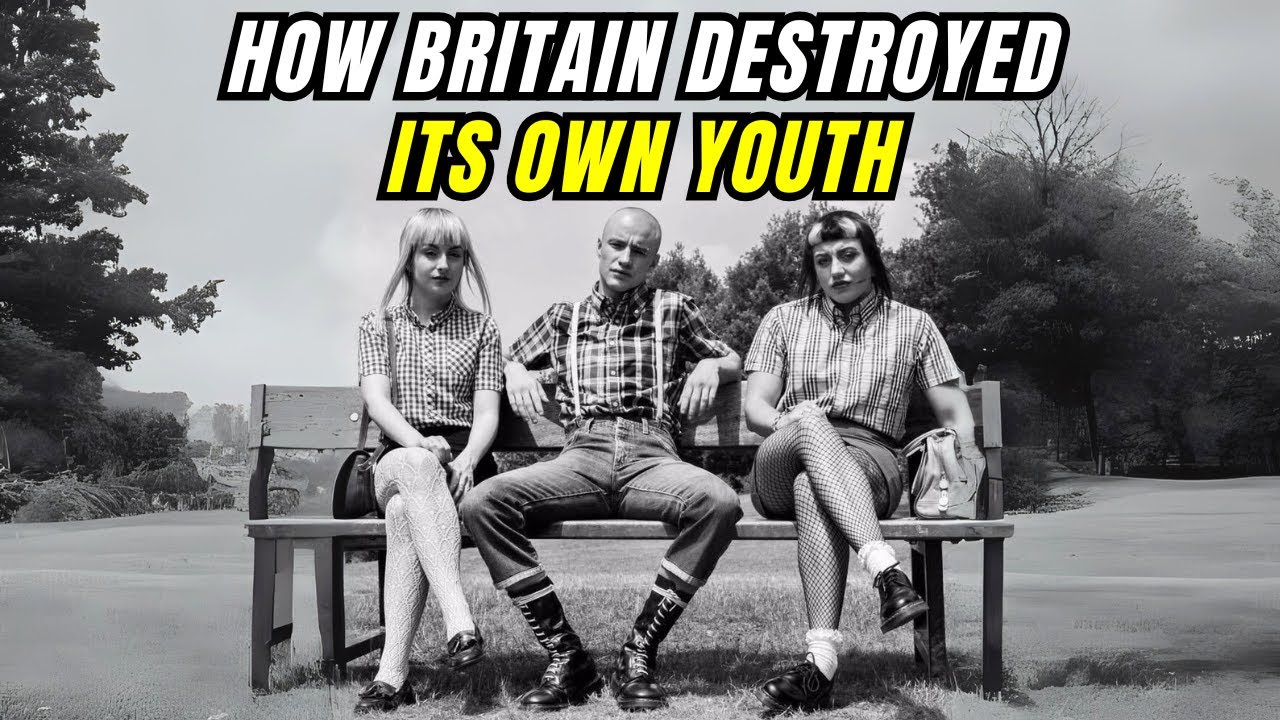
The band Skinhead, formed in 1960, originated from the United Kingdom, a country that served as the cradle for the skinhead subculture. This subculture emerged among working-class youth in London during the 1960s and quickly spread across the UK. The band members are identified as gay skinhead, hardcore skinhead, and Trojan skinhead, reflecting the diverse strands within the skinhead movement. These members embody the varied expressions of the subculture, from its musical influences to its socio-political affiliations.
Musical Style & Characteristics
Skinhead’s musical style is deeply rooted in the cultural tapestry of the skinhead subculture, which is characterized by a blend of working-class pride and a rejection of mainstream societal norms. The band’s sound is influenced by the rhythms of Jamaican music genres such as ska, rocksteady, and reggae, which were integral to the early skinhead movement. Additionally, the punk rock movement of the late 1970s and early 1980s played a significant role in shaping the band’s musical direction, particularly through the Oi! genre, a working-class offshoot of punk rock. This fusion of Jamaican and punk influences creates a distinctive sound that is both energetic and rebellious.
Key Works & Discography
While specific albums or tracks by the band Skinhead are not documented in the verified information, the band’s musical output can be understood as a reflection of the broader skinhead subculture’s engagement with various musical styles. The incorporation of ska, rocksteady, reggae, and punk elements likely features prominently in their discography, mirroring the subculture’s historical musical preferences.
Influence on Other Bands/Scenes
The skinhead subculture, and by extension the band Skinhead, has had a significant influence on other bands and music scenes. The subculture’s embrace of Jamaican music genres and punk rock has inspired numerous bands within the Oi! and punk scenes. Additionally, the skinhead movement’s emphasis on working-class identity and solidarity has resonated with musicians and fans worldwide, contributing to the global spread of the subculture and its musical styles.
Breakups or Reunions
The verified information does not provide specific details about any breakups or reunions of the band Skinhead. As such, this section is omitted to maintain accuracy and avoid speculation.
Current Reputation & Legacy
Today, the legacy of the band Skinhead is intertwined with the broader skinhead subculture, which continues to endure in various forms around the world. The subculture’s influence is evident in the continued popularity of ska, reggae, and punk music, as well as in the fashion and cultural expressions associated with skinheads. Despite the controversies and political affiliations that have sometimes overshadowed the movement, many adherents continue to embrace it as a celebration of working-class identity and cultural diversity.
Conclusion
In conclusion, the band Skinhead represents a unique intersection of music, culture, and identity within the broader skinhead subculture. Formed in 1960 in the United Kingdom, the band embodies the diverse musical influences and socio-political dynamics that have defined the skinhead movement over the decades. While specific details about the band’s discography and history remain limited, their impact on the music scene and their role in perpetuating the skinhead legacy are undeniable. As the subculture continues to evolve, the band Skinhead remains a symbol of the enduring spirit of rebellion and solidarity that characterizes the skinhead ethos.
Sources
Band facts
| Formed | 1960 |
|---|---|
| Origin | United Kingdom |
| Members | gay skinhead / hardcore skinhead / Trojan skinhead |
Sources: Wikidata