Formation & Members
Transplants, stylized as トランスプランツ in Japanese, is an American punk rock/hip hop band formed in 1999. The group was initially conceived as a side project by Tim Armstrong, the frontman of Rancid, and Rob Aston, also known as “Skinhead Rob.” The project aimed to blend various musical styles, with Armstrong and Aston bringing their unique influences to the forefront. Travis Barker, the renowned drummer of Blink-182, later joined, solidifying the trio that would become the core of the Transplants. The band members each brought their distinct musical backgrounds, which allowed them to create a unique sound that resonated within the punk and hardcore communities.
Musical Style & Characteristics
Transplants are known for their eclectic mix of punk rock and hip hop, a fusion that set them apart from other bands in the early 2000s. Their music often features gritty, street-smart lyrics combined with aggressive guitar riffs and energetic drumming. The inclusion of hip hop elements, such as beats and spoken-word sections, added a fresh layer to their punk roots, making their sound both innovative and iconic. This hybrid style allowed the Transplants to appeal to fans across both punk and hip hop genres, further establishing their reputation as musical pioneers.
Key Works & Discography
The Transplants released their self-titled debut album in 2002, which included popular tracks like “Diamonds and Guns” and “D.J. D.J.” The album was well-received for its raw energy and inventive sound, helping to cement the band’s place in the punk rock scene. In 2005, they followed up with their second album, “Haunted Cities,” which continued to explore their signature blend of punk and hip hop influences. After a hiatus, the band returned in 2011 with “In a Warzone,” demonstrating their continued relevance and ability to evolve while maintaining their core sound.
Influence on Other Bands/Scenes
Transplants have had a significant impact on both the punk and hip hop scenes, inspiring a new wave of musicians to experiment with genre-blending. Their successful integration of punk rock’s rawness with hip hop’s rhythmic and lyrical complexity has encouraged other bands to explore similar musical territories. The band’s approach has paved the way for collaborations between artists from different musical backgrounds, fostering a more inclusive and diversified music scene.
Breakups or Reunions
Throughout their career, Transplants have experienced periods of inactivity, largely due to the members’ commitments to other projects. Following the release of “Haunted Cities,” the band went on hiatus, allowing Armstrong, Aston, and Barker to focus on their individual careers. However, the Transplants have reunited multiple times over the years, each time bringing renewed energy and creativity to their music. Their ability to regroup and produce new material speaks to the enduring chemistry and shared vision among its members.
Current Reputation & Legacy
Today, Transplants are regarded as trailblazers in the punk and hip hop fusion genre. Their innovative sound and fearless approach to music-making have earned them a lasting legacy within the music industry. The band’s influence is evident in the work of contemporary artists who continue to push the boundaries of genre conventions. While they may not dominate the mainstream charts, Transplants maintain a loyal fanbase and are respected by peers and critics alike for their contribution to the evolution of punk rock and hip hop.
Conclusion
Transplants have carved out a unique niche in the music world, blending punk rock and hip hop in ways that were previously unexplored. Their formation brought together talented musicians from diverse backgrounds, resulting in a sound that has both challenged and inspired. Despite periods of inactivity, the band has consistently returned with fresh material, demonstrating their enduring relevance and passion for innovation. As pioneers of genre fusion, Transplants continue to leave a lasting impact on the music landscape, influencing a new generation of artists and fans.
Sources
Band facts
| Formed | 1999 |
|---|---|
| Origin | United States |
| Genres | punk rock |
| Labels | Hellcat Records / Atlantic Records |
| Members | Travis Barker |
Sources: Wikidata / MusicBrainz
Discography
| Year | Type | Title |
|---|---|---|
| 2002 | Album | Transplants |
| 2005 | Album | Haunted Cities |
| 2005 | Remix | Haunted Cities: Screwed and Chopped by DJ Paul Wall |
| 2013 | Album | In a Warzone |
| 2017 | EP | Take Cover |
Streaming
トランスプランツ T-shirts
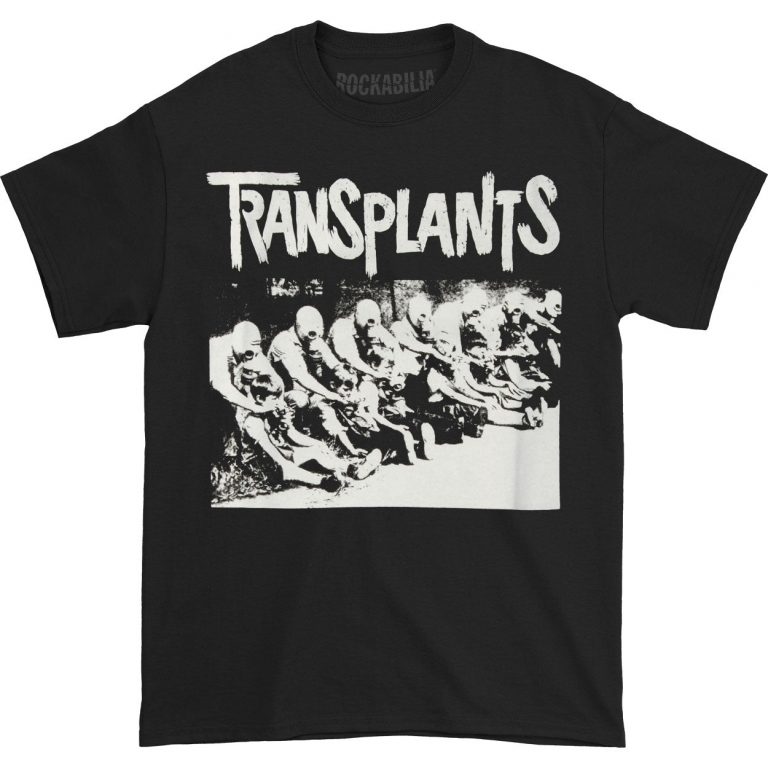
Transplants Teach Them Young T-shirt
2026 Current
Listed price $16.97 (approx. ¥2,500)
View detailsShips from: United States / shipping not included
Visit storeトランスプランツ Records
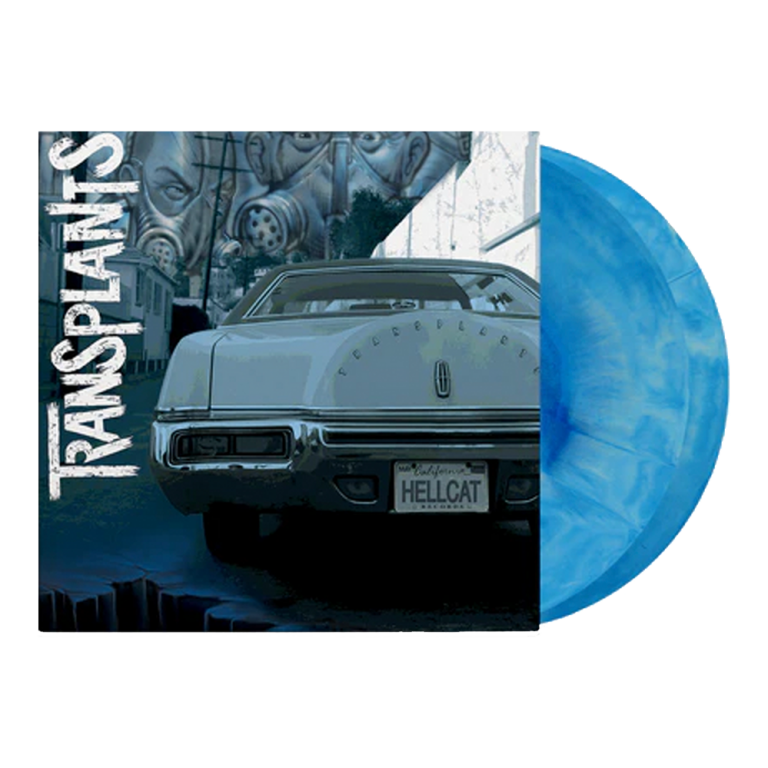
TRANSPLANTS ‘TRANSPLANTS’ 2LP (Anniversary Edition, Blue Vinyl)
2026 AEC / Current Edition
Listed price $31.00 (approx. ¥4,700)
View detailsShips from: United States / shipping not included
Visit store