Formation & Members
Taking Back Sunday, often stylized as テイクン・バック・サンデイ in Japanese, burst onto the punk and hardcore scene in the late 1990s. The band was formed in 1999 in Long Island, New York, by guitarist Eddie Reyes and vocalist Antonio Longo. Early on, the lineup saw several changes, eventually stabilizing with Adam Lazzara on lead vocals, John Nolan on guitar and vocals, Shaun Cooper on bass, Mark O’Connell on drums, and Eddie Reyes on guitar. This lineup was responsible for their breakthrough success and became synonymous with the band’s identity.
The initial formation was marked by the integration of members from various local acts, each bringing their own unique influences, which contributed to the development of their distinct sound. Over the years, the band experienced lineup shifts, notably with Nolan and Cooper leaving in 2003 and returning in 2010, but the core essence of Taking Back Sunday remained strong, driven by Lazzara’s charismatic stage presence and Reyes’ foundational guitar work until his departure in 2018.
Musical Style & Characteristics
Taking Back Sunday is celebrated for its fusion of punk, emo, and post-hardcore elements, creating a sound that resonates with both intensity and emotion. Their music is characterized by dual vocal harmonies, often featuring a call-and-response dynamic between Lazzara and Nolan. This interplay became a hallmark of their sound, adding depth and complexity to their emotive lyrics and energetic instrumentation.
The band’s sound is anchored in high-energy guitar riffs, driving rhythms, and introspective lyrics that explore themes of heartbreak, personal growth, and resilience. Their ability to balance raw emotion with catchy melodies and intricate guitar work garnered them a dedicated fan base and critical acclaim. Over time, Taking Back Sunday has adeptly evolved their style, experimenting with different musical elements while maintaining the core attributes that define their sound.
Key Works & Discography
Taking Back Sunday’s discography is rich with influential works that have left a significant impact on the punk and emo scenes. Their debut album, “Tell All Your Friends” (2002), was a critical and commercial success, featuring iconic tracks like “Cute Without the ‘E’ (Cut from the Team)” and “You’re So Last Summer.” This album is often credited with helping to define the emo genre in the early 2000s.
Following their debut, the band released “Where You Want to Be” (2004), which debuted at number three on the Billboard 200, showcasing their growing popularity. Hits like “A Decade Under the Influence” solidified their place in the mainstream music scene. Their third album, “Louder Now” (2006), included the hit single “MakeDamnSure,” further cementing their status as leaders in the alternative rock scene.
Throughout their career, Taking Back Sunday has continued to release albums that reflect their evolving sound, including “New Again” (2009), “Happiness Is” (2014), and “Tidal Wave” (2016). Each album demonstrates their willingness to experiment with new sounds while staying true to their roots, ensuring their relevance in the ever-changing music landscape.
Influence on Other Bands/Scenes
Taking Back Sunday has had a profound influence on the punk, emo, and post-hardcore scenes, inspiring a new generation of bands with their dynamic sound and evocative lyrics. Their success in the early 2000s paved the way for other bands in the genre, helping to bring emo and post-hardcore into the mainstream consciousness.
Many contemporary bands cite Taking Back Sunday as a key influence, noting their innovative use of dual vocals and emotionally charged songwriting as a major inspiration. The band’s impact is evident in the music of artists like Fall Out Boy, My Chemical Romance, and Paramore, who have acknowledged Taking Back Sunday’s role in shaping the sound and ethos of their own music.
Breakups or Reunions
While Taking Back Sunday has experienced lineup changes, they have managed to maintain continuity in their music and performances. The most notable change occurred in 2003 when John Nolan and Shaun Cooper left the band to form Straylight Run. Despite these departures, Taking Back Sunday continued to thrive, with new members stepping in to fill the void.
In 2010, a significant reunion occurred when Nolan and Cooper rejoined the band, marking a return to the lineup that crafted their seminal debut album. This reunion was met with excitement from fans and revitalized the band’s creative output, leading to the release of the self-titled album “Taking Back Sunday” in 2011. Since then, the band has remained active, continuing to tour and release new music.
Current Reputation & Legacy
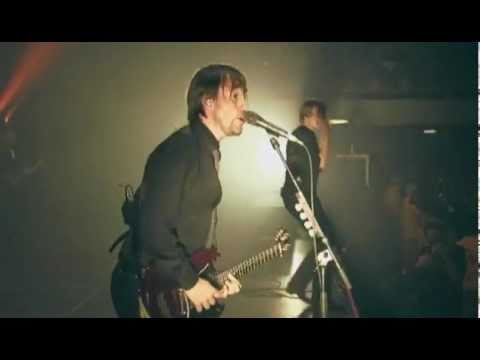
Today, Taking Back Sunday is regarded as one of the defining bands of the emo and post-hardcore movements. Their ability to evolve while staying true to their original sound has earned them a lasting reputation as innovators in the genre. They are celebrated not only for their musical contributions but also for their energetic live performances, which continue to draw fans both old and new.
Their legacy is cemented by their influence on countless bands and their role in popularizing emo music. Taking Back Sunday’s enduring appeal lies in their ability to connect with listeners on a deeply emotional level, crafting songs that resonate with themes of love, loss, and personal discovery.
Conclusion
Taking Back Sunday’s journey through the punk and hardcore scene is a testament to their resilience and artistic vision. From their formation in Long Island to their status as genre pioneers, the band has consistently pushed the boundaries of their sound while remaining true to the emotional core that defines their music. As they continue to perform and release new material, Taking Back Sunday’s influence and legacy are sure to endure, inspiring future generations of musicians and fans alike.
Band facts
| Formed | 1999 |
|---|---|
| Origin | New York |
| Genres | emo / emo pop / post-hardcore / pop-punk / alternative rock / pop rock |
| Labels | Warner Bros. Records / Victory Records |
Sources: Wikidata / MusicBrainz
Discography
| Year | Type | Title |
|---|---|---|
| 2001 | EP | Lullaby |
| 2001 | EP | Taking Back Sunday |
| 2001 | Demo | Taking Back Sunday Demos |
| 2001 | Demo | The Tell All Your Friends Demo |
| 2002 | Album | Tell All Your Friends |
| 2004 | Album | Where You Want to Be |
| 2006 | Album | Louder Now |
| 2009 | Album | New Again |
| 2011 | Album | Taking Back Sunday |
| 2014 | Album | Happiness Is |
| 2016 | Album | Tidal Wave |
| 2023 | Album | 152 |
| 2002 | Live | Live Acoustic at the Knitting Factory |
| 2007 | Compilation | Notes From the Past |
| 2007 | Live | The Louder Now DVD: PartTwo |
Show all
| Year | Type | Title |
|---|---|---|
| 2009 | Live | Live from Bamboozle '09 |
| 2010 | Live | Live From Orensanz |
| 2012 | Live | We Play Songs |
| 2013 | Live | TAYF10 Acoustic |
| 2019 | Compilation | Twenty |
Streaming
Venues where this band has played
- New Brookland Tavern — Columbia / United States
テイクン・バック・サンデイ T-shirts
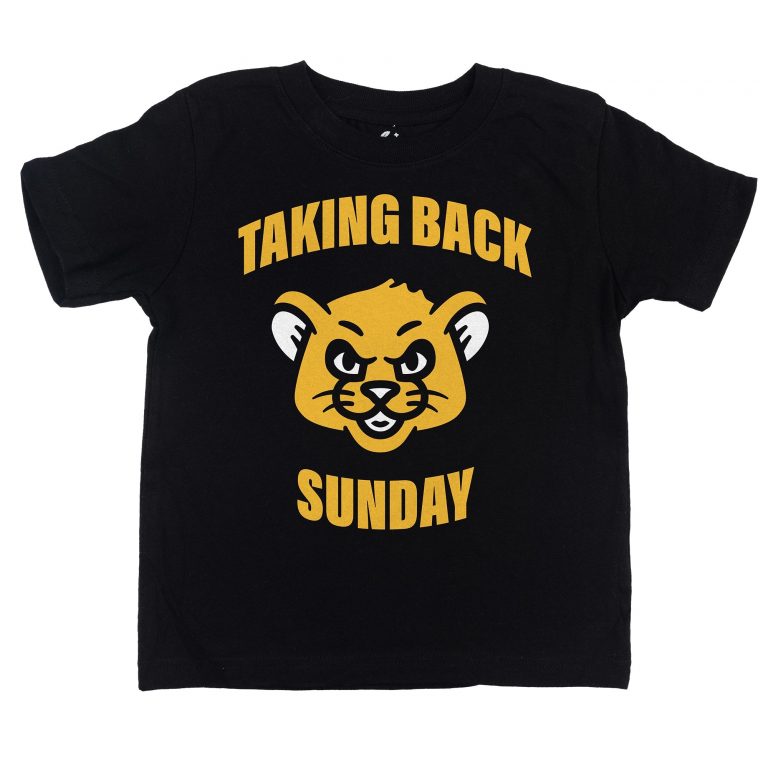
TAKING BACK SUNDAY TODDLER T-SHIRT
2026 Current
Listed price $26.00 (approx. ¥3,900)
View detailsShips from: United States / shipping not included
Visit storeテイクン・バック・サンデイ Records
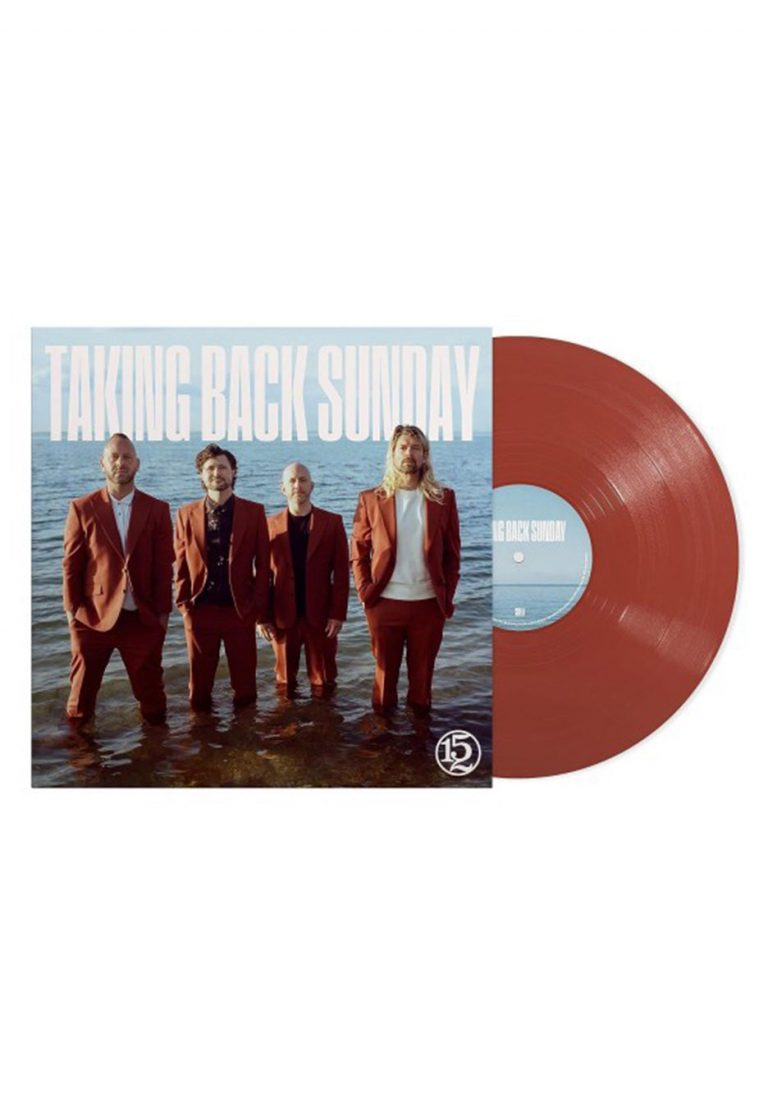
Taking Back Sunday 152 Ltd. Brick Red – Colored Vinyl
2026 Taking Back Sunday / Current Edition
Listed price $21.99 (approx. ¥3,300)
View detailsShips from: Germany / shipping not included
Visit store