Formation & Members
Apocalyptica, known in Japanese as アポカリプティカ, is a band that defies the conventional boundaries of punk and hardcore music. Formed in Helsinki, Finland, in 1993, the group originally began as a four-member cello ensemble. The founding members were Eicca Toppinen, Paavo Lötjönen, Max Lilja, and Antero Manninen, all of whom were classically trained cellists from the Sibelius Academy in Helsinki. The band initially gained attention by performing Metallica covers, but quickly evolved to craft their unique sound that blends classical instrumentation with punk and heavy metal influences.
Over the years, Apocalyptica has seen several lineup changes. Antero Manninen left the group in 1999, and was replaced by Perttu Kivilaakso, another Sibelius Academy alumnus. Max Lilja departed in 2002, and the band decided to continue as a trio. Drummers Mikko Sirén and various session musicians have also joined Apocalyptica over the years, further enriching their sound.
Musical Style & Characteristics
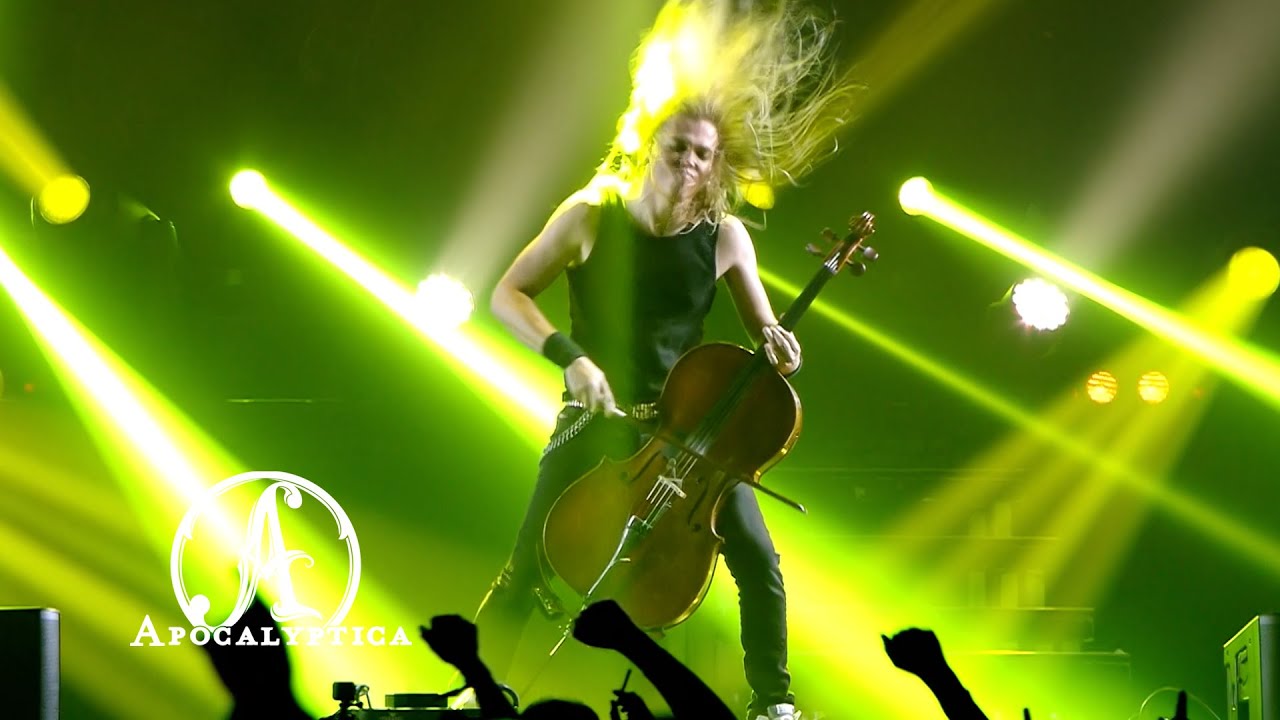
Apocalyptica’s music is a groundbreaking fusion of classical and rock elements, characterized by their use of cellos as the primary instruments rather than guitars. This unique setup produces a hauntingly melodic yet aggressively intense sound that resonates deeply with fans of both classical and contemporary genres. The band is known for their complex arrangements, which often include intricate layers of cello harmonies set against percussive beats.
While Apocalyptica’s early work consisted largely of instrumental tracks, later albums have incorporated vocals and collaborations with various artists from the rock and metal scenes. Their music often features fast-paced, rhythmically intense passages, interspersed with slower, more contemplative sections, reflecting the dynamic and emotive range of classical compositions.
Key Works & Discography
Apocalyptica’s discography is vast and varied, showcasing their evolution from a Metallica cover band to a powerhouse of original compositions. Their debut album, “Plays Metallica by Four Cellos” (1996), is a seminal work that introduced their innovative sound to the world. This album featured cello renditions of Metallica’s hits, receiving critical acclaim for its audacity and execution.
Their second album, “Inquisition Symphony” (1998), included covers of songs by Sepultura and Pantera, alongside original compositions. “Cult” (2000) marked a turning point for the band as they began to focus more heavily on original material. Subsequent albums like “Reflections” (2003) and “Apocalyptica” (2005) further expanded their sound, incorporating more diverse musical elements and guest vocals from artists such as Ville Valo of HIM and Lauri Ylönen of The Rasmus.
One of their most ambitious projects, “7th Symphony” (2010), features collaborations with artists like Gavin Rossdale of Bush and Dave Lombardo of Slayer. This album showcases Apocalyptica’s versatility and their ability to seamlessly blend genres and styles.
Influence on Other Bands/Scenes
Apocalyptica has had a significant impact on both the punk/hardcore scene and the broader music world. Their innovative approach to integrating classical instruments into rock and metal has inspired numerous artists to experiment with genre fusion. Bands in the symphonic metal and progressive rock genres have acknowledged Apocalyptica’s influence on their music, citing their unique sound and fearless experimentation as key inspirations.
The band’s ability to transcend genre boundaries has also opened doors for other classical musicians interested in exploring contemporary music genres, creating a bridge between the classical and modern music worlds. Their influence can be seen in the rising popularity of symphonic metal and other hybrid genres that blend traditional and contemporary elements.
Breakups or Reunions
Unlike many bands in the punk and hardcore scenes, Apocalyptica has not experienced any major breakups or dramatic reunions. They have maintained a relatively stable lineup since their inception, with changes occurring mostly due to personal choices rather than internal conflicts. Their commitment to their craft and mutual respect among band members have contributed to their longevity in the music industry.
The departures of Antero Manninen and Max Lilja were amicable, and both members have continued to pursue successful careers in music. Manninen has occasionally rejoined the band for special performances, demonstrating the strong, enduring bonds between the members.
Current Reputation & Legacy
Today, Apocalyptica is celebrated as a pioneering force in the music world, known for their innovative fusion of classical and rock elements. They have garnered a dedicated fanbase across the globe, with their concerts drawing diverse audiences who appreciate their unique sound and dynamic performances.
Their legacy is marked by their ability to consistently push musical boundaries and explore new creative territories. Apocalyptica’s influence is evident in the growing popularity of genre-bending music that combines classical instrumentation with modern styles. They have paved the way for future generations of musicians to explore and innovate beyond traditional genre confines.
Conclusion
Apocalyptica stands as a testament to the power of musical innovation and the possibilities that arise when artists defy conventional boundaries. Their journey from a Metallica cover band to a globally recognized musical powerhouse highlights their creativity, passion, and dedication to their craft. As they continue to evolve and inspire, Apocalyptica remains a vital and influential force in the music world, leaving an indelible mark on both classical and contemporary music landscapes.
Band facts
| Formed | 1993 |
|---|---|
| Origin | Helsinki |
| Genres | cello rock / symphonic metal |
| Labels | Mercury Records |
| Members | Max Lilja / Eicca Toppinen / Paavo Lötjönen / Antero Manninen / Perttu Kivilaakso / Mikko Sirén / Franky Perez |
Sources: Wikidata / MusicBrainz
Discography
| Year | Type | Title |
|---|---|---|
| 1996 | Album | Plays Metallica by Four Cellos |
| 1998 | Album | Inquisition Symphony |
| 2000 | Album | Cult |
| 2003 | Album | Reflections |
| 2004 | Album | Seemann Reflections Revised |
| 2005 | Album | Apocalyptica |
| 2007 | Album | Worlds Collide |
| 2010 | Album | 7th Symphony |
| 2010 | Soundtrack | MAG: S.V.E.R. |
| 2015 | Album | Shadowmaker |
| 2019 | Soundtrack | Aquarela |
| 2020 | Album | Cell-0 |
| 2022 | EP | Metal Classic, Classic Metal |
| 2024 | Album | Plays Metallica, Vol. 2 |
| 2024 | EP | The Call of Ktulu |
Show all
| Year | Type | Title |
|---|---|---|
| 2001 | Live | Live |
| 2002 | Compilation | The Best of Apocalyptica |
| 2005 | Compilation | Greatest Hits |
| 2006 | Compilation | Amplified // A Decade of Reinventing the Cello |
| 2006 | Live | The Life Burns Tour |
| 2008 | Live | 2008-06-05: Live at Rock in Rio: Lisbon, Portugal |
| 2008 | Compilation | Deluxe Collection |
| 2008 | Compilation | The Best of Apocalyptica |
| 2009 | Compilation | Apocalyptica feat... |
| 2009 | Compilation | The Best of Apocalyptica |
| 2013 | Live | Wagner Reloaded: Live in Leipzig |
| 2016 | Live | Live at Download Festival |
| 2018 | Live | Plays Metallica by Four Cellos: A Live Performance |
| 2019 | Live | Live At Dynamo Open Air 1999 |
| 2023 | Live | Live in Helsinki, St. John’s Church |
| Live | 2005-06-03: Rock am Ring, Nürburgring, Germany | |
| Compilation | Bittersweet | |
| Compilation | Greatest Hits | |
| Compilation | The Best of Apocalyptica |