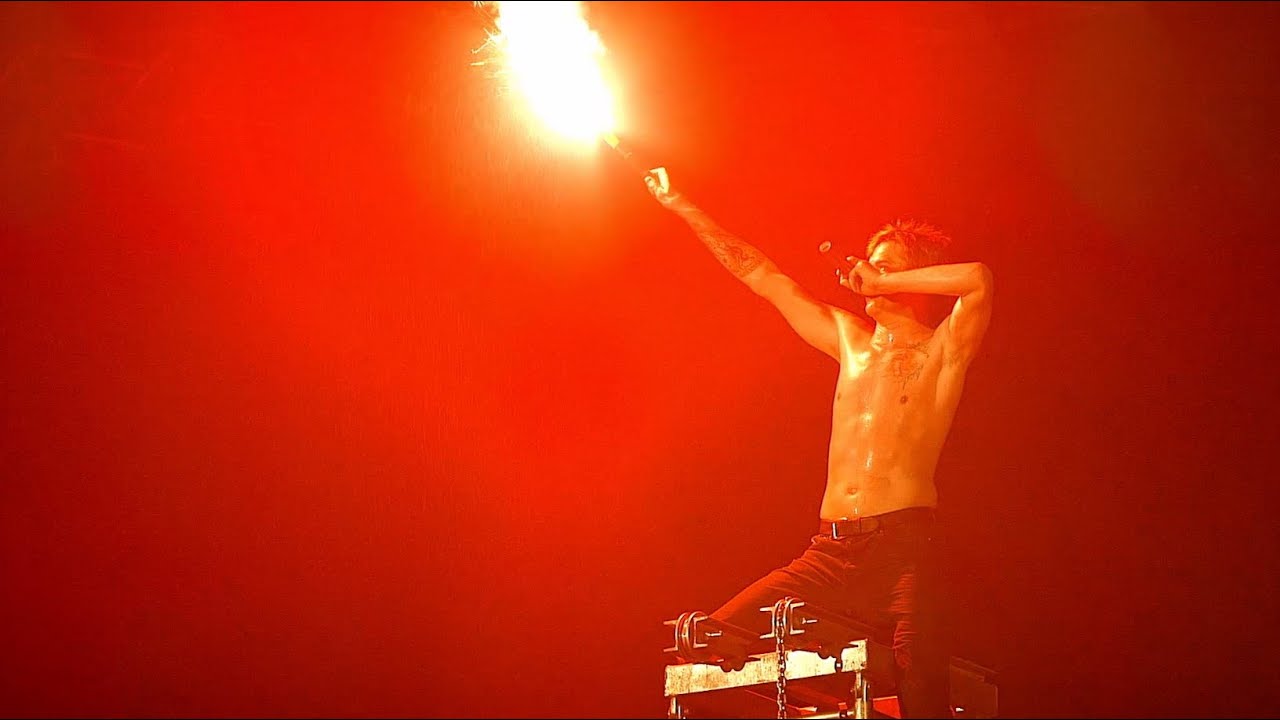
Formation & Members
Die Toten Hosen, often affectionately referred to as “The Shoes” in Japanese contexts, are a German punk rock band that emerged in the vibrant music scene of Düsseldorf in 1982. Founded by lead vocalist Campino, the band was initially formed by former members of local punk outfits, who shared a passion for the raw energy and spirit of punk music. The original lineup included Andreas Frege, known by his stage name Campino, on vocals, Andreas von Holst on guitar, Michael Breitkopf also on guitar, Andreas Meurer on bass, and Trini Trimpop on drums. Over the years, the band has seen some changes, with the most notable being the replacement of Trimpop by Wolfgang Rohde and later by Vom Ritchie on drums. Despite these changes, the core of Campino, von Holst, Breitkopf, and Meurer has remained intact, providing stability and continuity to the band’s sound and ethos.
Musical Style & Characteristics
Die Toten Hosen’s music is a dynamic blend of punk rock’s raw, aggressive energy and catchy, anthemic melodies. Their sound is characterized by fast tempos, power chord-driven guitar riffs, and Campino’s distinctive vocal delivery, which oscillates between melodic singing and spirited shouting. Lyrically, the band addresses a range of themes, from political and social issues to more personal and introspective topics. Their songs often carry a message of resistance, rebellion, and an unyielding spirit, resonating deeply with fans who appreciate their authenticity and commitment to punk’s original ethos. Over the years, Die Toten Hosen have also incorporated elements from other genres, such as rock, pop, and even folk, reflecting their musical evolution and willingness to experiment while staying true to their roots.
Key Works & Discography
Die Toten Hosen’s discography is a testament to their prolific and enduring career. Their debut album, “Opel-Gang” (1983), was a raw and energetic introduction to their sound, quickly gaining a cult following. However, it was their 1988 album “Ein kleines bisschen Horrorschau” that catapulted them to mainstream success, featuring the hit single “Hier kommt Alex,” inspired by Anthony Burgess’s “A Clockwork Orange.” This album marked a significant turning point, showcasing their ability to create catchy, thought-provoking music with a broader appeal.
Throughout the 1990s and 2000s, Die Toten Hosen continued to release successful albums, including “Kreuzzug ins Glück” (1990), “Opium fürs Volk” (1996), and “Unsterblich” (1999). Each album demonstrated their growth as musicians and songwriters, with tracks that became anthems for a generation. Their 2012 album “Ballast der Republik” celebrated their 30th anniversary, featuring the hit “Tage wie diese,” which became an unofficial anthem for numerous sporting events and political rallies. Their most recent work, “Alles ohne Strom” (2019), showcases acoustic renditions of their classic hits, highlighting their versatility and enduring appeal.
Influence on Other Bands/Scenes
Die Toten Hosen have left an indelible mark on the punk and rock scenes, both in Germany and internationally. Their success paved the way for other German punk bands, helping to popularize the genre in a country where English-speaking acts had previously dominated. Their fearless approach to addressing social and political issues in their lyrics inspired a new generation of musicians to use their platform for advocacy and change. Bands such as Die Ärzte, another prominent German punk band, have cited Die Toten Hosen as a significant influence on their music and career. Beyond Germany, Die Toten Hosen’s influence can be seen in the punk and alternative scenes across Europe and even in Japan, where their passionate performances and relatable themes resonate with audiences.
Breakups or Reunions
Unlike many bands with long careers, Die Toten Hosen have managed to maintain a relatively stable lineup and have not experienced any significant breakups. While individual members have pursued side projects and solo endeavors, the band has remained active, consistently releasing new music and touring extensively. This stability is a testament to their strong camaraderie and shared vision, allowing them to overcome the challenges and pressures that often lead to band breakups. Their enduring presence and ability to adapt to changing musical landscapes have ensured their continued success and relevance in the music industry.
Current Reputation & Legacy
Today, Die Toten Hosen are regarded as one of Germany’s most iconic and influential bands. Their music continues to resonate with fans old and new, and their live performances are celebrated for their energy, passion, and connection with the audience. They have built a legacy that transcends generations, with their songs becoming anthems for various social and political movements. The band’s commitment to authenticity and their willingness to address complex issues have earned them a reputation as not just musicians, but cultural icons who have made significant contributions to the punk genre and beyond.
Their legacy is also marked by their philanthropic efforts, as they have been actively involved in various charitable causes and initiatives. This commitment to giving back to the community further solidifies their status as a band that not only creates impactful music but also strives to make a positive difference in the world.
Conclusion
Die Toten Hosen’s journey from a group of passionate punk enthusiasts in Düsseldorf to becoming one of the most influential bands in Germany is a story of persistence, evolution, and unwavering dedication to their craft. Their music, characterized by its raw energy, anthemic melodies, and socially conscious lyrics, continues to inspire and resonate with audiences worldwide. As they look to the future, Die Toten Hosen remain a symbol of punk’s enduring spirit, proving that music can be a powerful force for change and connection. Their legacy is not just defined by their impressive discography and influence, but by their ability to remain true to themselves and their fans, ensuring their place in the annals of music history.
Band facts
| Formed | 1982 |
|---|---|
| Origin | Düsseldorf |
| Genres | punk rock |
| Members | Campino / Andreas von Holst / Michael Breitkopf / Andreas Meurer / Vom Ritchie |
Sources: Wikidata / MusicBrainz
Discography
| Year | Type | Title |
|---|---|---|
| 1983 | Album | Opel-Gang |
| 1984 | Album | Unter falscher Flagge |
| 1985 | EP | The Battle of the Bands |
| 1986 | Album | Damenwahl |
| 1987 | Album | Never Mind the Hosen Here’s Die Roten Rosen (aus Düsseldorf) |
| 1988 | Album | Ein kleines bisschen Horrorschau |
| 1989 | EP | Die Toten Hosen |
| 1990 | Album | 125 Jahre Die Toten Hosen: Auf dem Kreuzzug ins Glück |
| 1991 | Album | Learning English: Lesson 1 |
| 1991 | EP | The Nightmare Continues |
| 1993 | Album | Als Das Düsseldorfer Katastrophenkommando Live In Düsseldorf '93 |
| 1993 | Album | Kauf MICH! |
| 1994 | EP | Put Your Money Where Your Mouth Is |
| 1996 | Album | Hosen Fürs Volk |
| 1996 | Album | Opium fürs Volk |
Show all
| Year | Type | Title |
|---|---|---|
| 1998 | EP | Individual / If the Kids Are United |
| 1998 | Album | Waiting for Santa Claus |
| 1998 | Album | Wir warten auf’s Christkind |
| 1999 | Album | Crash Landing |
| 1999 | Album | Unsterblich |
| 2002 | Album | Auswärtsspiel |
| 2004 | Album | Zurück zum Glück |
| 2008 | Album | In aller Stille |
| 2009 | Album | La hermandad: En el principio fue el ruido |
| 2012 | Album | Ballast der Republik |
| 2017 | Album | Laune der Natur |
| 2017 | Album | Learning English: Lesson 2 |
| 2020 | Album | Learning English Lesson 3: MERSEY BEAT! The Sound of Liverpool |
| 2021 | Album | Learning English: The Learner's Workbook (Grammar And Drill) |
| 2026 | Album | Trink aus, wir müssen gehen! |
| 2026 | EP | True To The Bone |
| 1987 | Live | Bis zum bitteren Ende |
| 1989 | Live | Live In Berlin 1989 - Blau Blüht Der Enzian |
| 1991 | Live | Berlin, Berlin |
| 1993 | Live | Live in Düsseldorf ’93 |
| 1993 | Compilation | Reich & Sexy |
| 1994 | Live | Frohes Fest |
| 1994 | Live | Frohes Fest! 1. Teil |
| 1994 | Live | Frohes Fest! 2. Teil |
| 1994 | Compilation | Love, Peace & Money |
| 1994 | Compilation | Raritäten 81 - 90 |
| 1995 | Compilation | All Die Ganzen Jahre - Raritäten '85 - '91 |
| 1995 | Compilation | All die ganzen Jahre: Raritäten ’79–’84 |
| 1996 | Live | Glückspiraten |
| 1996 | Live | Im Auftrag des Herrn |
| 1996 | Live | Opium Währt Am Längsten |
| 1997 | Live | Süßer die Hosen nie klingen |
| 1997 | Live | X Mal X Mal X |
| 1998 | Live | Das 1.000 Konzert |
| 1998 | Compilation | Virus |
| 1999 | Live | Live In Köln '99 |
| 1999 | Live | Unsterblich Live |
| 2000 | Live | Essen auf Rädern - Essen 1 |
| 2000 | Live | Essen auf Rädern - Essen 2 |
| 2001 | Live | En Misión del Señor: Live in Buenos Aires |
| 2002 | Compilation | Reich & Sexy II: Die fetten Jahre |
| 2002 | Live | Woodstock 2002 |
| 2003 | Live | Live - Im Auftrag des Herrn / Wir warten aufs Christkind |
| 2004 | Live | Rock am Ring 2004 |
| 2005 | Live | Heimspiel! Die Toten Hosen Live in Düsseldorf |
| 2005 | Live | Nur zu Besuch: Unplugged im Wiener Burgtheater |
| 2007 | Compilation | 25 Jahre Die Toten Hosen - Jubiläumsbox |
| 2007 | Compilation | Vom Rest das Beste: Die DTH Single-B-Seiten Kollektion |
| 2008 | Live | 2008-11-26: Machmalauter Tour: Hamburg, Germany |
| 2008 | Live | 2008-12-05: Machmalauter Tour: Stuttgart, Germany |
| 2008 | Live | 2008-12-08: Machmalauter Tour: Dortmund, Germany |
| 2008 | Live | 2008-12-14: Machmalauter Tour: Freiburg, Germany |
| 2008 | Live | Hals + Beinbruch: Live bei Rock am Ring 2008 |
| 2008 | Live | Machmalauter: Live |
| 2009 | Live | 2009-06-06: MACHMALAUTER! Tour 2009: Wilhelm-Kaisen-Platz, Bremerhaven, Germany |
| 2009 | Live | 2009-06-07: Machmalauter Tour: Hamburg, Germany |
| 2009 | Live | 2009-08-29: MACHMALAUTER! Tour 2009: Strandbad, Losheim am See, Germany |
| 2009 | Live | 2009-10-06: Machmalauter Tour: Kiel, Germany |
| 2009 | Live | Area4 2009 |
| 2009 | Live | Weihnachtskonzert in Düsseldorf - 19.12.2009 |
| 2009 | Live | Weihnachtskonzert in Düsseldorf - 26.12.2009 |
| 2010 | Compilation | Największe przeboje |
| 2011 | Compilation | All die ganzen Jahre: Ihre besten Lieder |
| 2012 | Live | Noches Como Estas - Live in Buenos Aires |
| 2013 | Live | Die Toten Hosen Live: Der Krach der Republik |
| 2014 | Live | Die Toten Hosen Live: Der Krach der Republik - Das Tourfinale |
| 2015 | Live | „Entartete Musik“: Willkommen in Deutschland – ein Gedenkkonzert |
| 2019 | Live | Alles ohne Strom |
| 2019 | Live | Auf der Suche nach der Schnapsinsel: Live im SO36 |
| 2019 | Live | Zuhause Live: Das Laune der Natour-Finale |
| 2022 | Compilation | "Bis zum bitteren Ende - LIVE!" 1987-2022 plus Bonusalbum "Wir sind bereit!" |
| 2022 | Compilation | Alles aus Liebe: 40 Jahre Die Toten Hosen |
| 2023 | Compilation | Kauf Mich! 1993-2023: Die Jubiläumsedition |
| 2024 | Live | Fiesta y Ruido - Live in Argentinien |
| Live | 1996-12-20: Alle Jahre wieder: Das Weihnachtskonzert 1996: Philipshalle, Düsseldorf, Germany | |
| Live | 1996: Einer für alle: Berlin, Germany | |
| Compilation / Live | Anschwellender Bocksgesang | |
| Live | Heinos Rache | |
| Live | Live in Zürich |
Streaming
Venues where this band has played
- 1000Fryd — Aalborg / Denmark
ザ・シューズ T-shirts

Die Toten Hosen Adler Classic Style – T-Shirt
2026 Current
Listed price $27.99 (approx. ¥4,200)
View detailsShips from: Germany / shipping not included
Visit store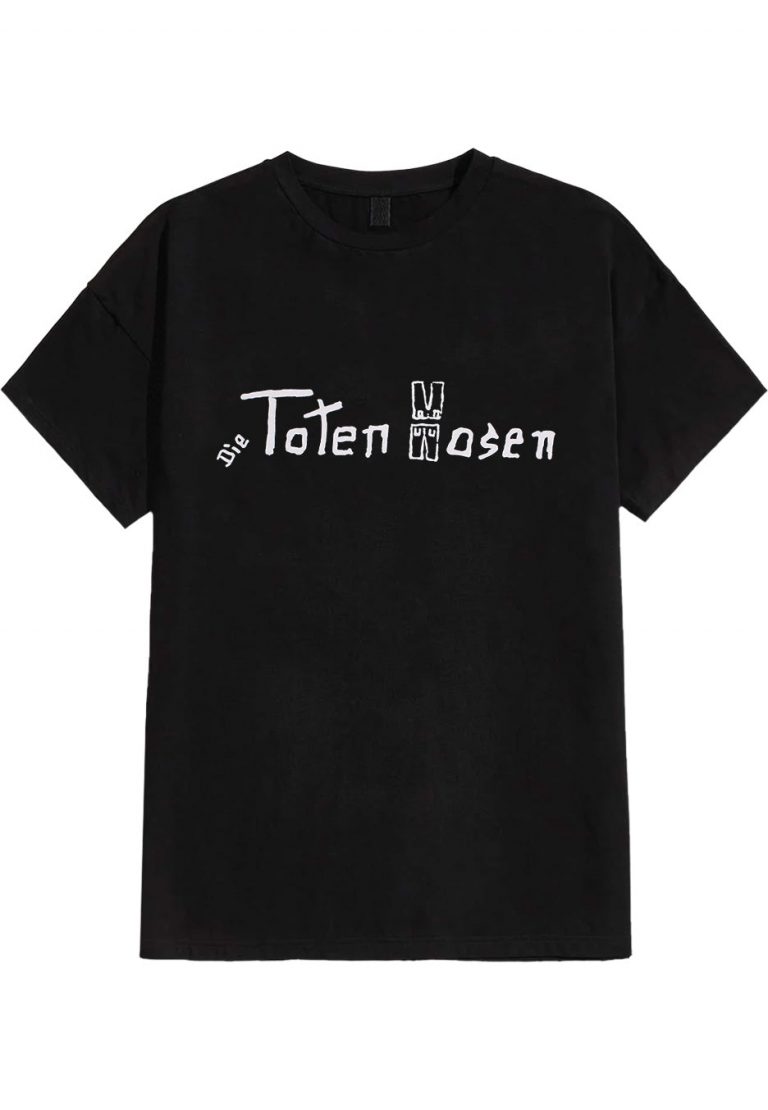
Die Toten Hosen 1982 – T-Shirt
2026 Current
Listed price $27.99 (approx. ¥4,200)
View detailsShips from: Germany / shipping not included
Visit storeザ・シューズ Records
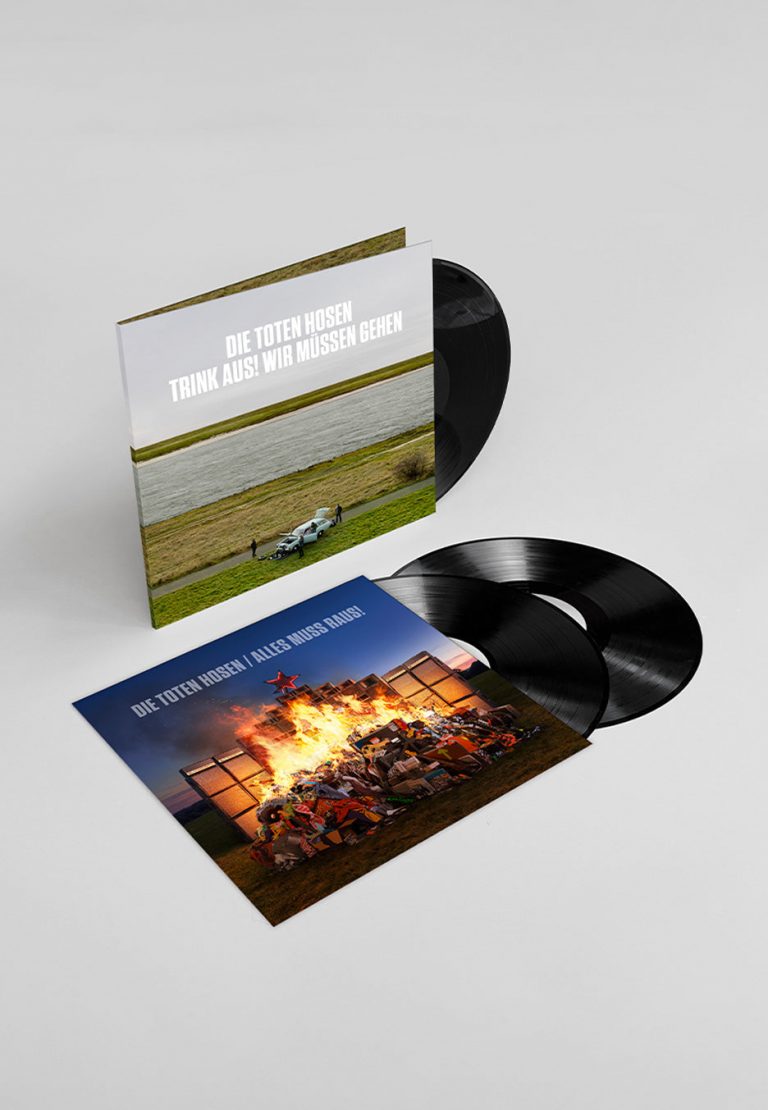
Die Toten Hosen Trink aus, wir müssen Gehen! + Alles muss raus! – 3 Vinyl
2026 Die Toten Hosen / Current Edition
Listed price $48.99 (approx. ¥7,300)
View detailsShips from: Germany / shipping not included
Visit store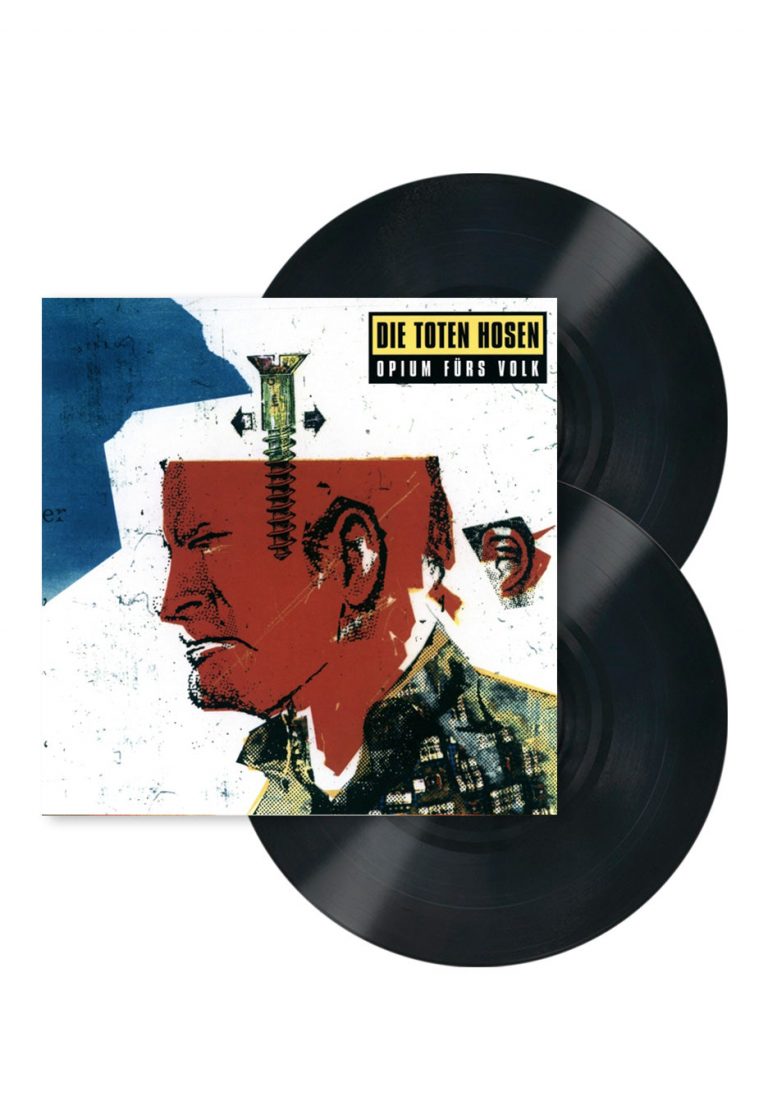
Die Toten Hosen Opium Fürs Volk – 2 Vinyl
1996 Die Toten Hosen / Reissue / Current Edition
Listed price $27.99 (approx. ¥4,200)
View detailsShips from: Germany / shipping not included
Visit store