Formation & Members
Skara (スカラ), a seminal force in the punk and hardcore scene, emerged from the vibrant streets of Tokyo in 1995. The band’s formation was a response to the burgeoning underground music scene that was gaining momentum in Japan. At the heart of Skara’s creation were founding members Takeshi “Taka” Yamada on vocals, Kenji Sato on guitar, Akira Nakamura on bass, and Yuki Tanaka on drums. These four musicians shared a common vision: to channel their frustrations, hopes, and raw energy into music that would resonate with the disenfranchised youth of their era.
Taka Yamada, known for his charismatic stage presence and distinctive voice, became the face of the band. Kenji Sato’s guitar work, characterized by fast-paced riffs and intense melodies, added a unique texture to their sound. Akira Nakamura and Yuki Tanaka provided a solid rhythm section that underpinned Skara’s explosive live performances. Together, they forged a sound that was both aggressive and anthemic, setting the stage for their rise in the punk and hardcore communities.
Musical Style & Characteristics
Skara’s music is a raw, unfiltered expression of emotion and rebellion, drawing heavily from the punk and hardcore movements of the late 20th century. Their sound is marked by rapid tempos, power chords, and a relentless energy that captures the essence of the punk ethos. Skara’s lyrics, primarily penned by Taka Yamada, are often politically charged and introspective, addressing themes such as social injustice, personal struggle, and the search for identity.
The band’s musical style is further distinguished by their incorporation of traditional Japanese elements, such as taiko drum patterns and the use of pentatonic scales, which give their songs a unique cultural flavor. This fusion of Western punk influences with Japanese musical heritage has allowed Skara to carve out a distinct niche within the global punk and hardcore scenes.
Key Works & Discography
Skara’s discography is a testament to their evolution as musicians and their impact on the punk and hardcore genres. Their debut album, “Urban Rebellion” (1997), is widely regarded as a classic, featuring tracks like “Tokyo Riot” and “Lost Generation,” which quickly became anthems for disillusioned youth. The album’s raw production and fervent energy captured the essence of Skara’s live performances and established them as a force to be reckoned with.
In 2001, Skara released “Echoes of Dissent,” an album that saw the band experimenting with more complex song structures and diverse musical influences. Tracks such as “Silent Scream” and “Winds of Change” showcased their ability to blend aggression with melody, further solidifying their reputation as innovators within the genre.
Their most recent album, “Resurgence” (2018), marked a triumphant return to their roots, with a renewed focus on high-energy punk anthems and socially conscious lyrics. Songs like “Rebel’s Call” and “New Dawn” exemplify Skara’s enduring commitment to their craft and their ability to adapt to the changing musical landscape.
Influence on Other Bands/Scenes
Skara’s influence extends far beyond the confines of their own music. They have been instrumental in shaping the Japanese punk and hardcore scenes, inspiring countless bands to pursue their own musical journeys. Their fearless approach to blending cultural elements and pushing the boundaries of genre conventions has encouraged other artists to explore new creative avenues.
Internationally, Skara’s impact can be seen in the rise of punk bands that draw from diverse cultural backgrounds, embracing a global perspective in their music. Skara’s success has demonstrated that punk is a universal language, capable of transcending cultural barriers and connecting individuals from all walks of life through shared experiences and emotions.
Breakups or Reunions
Like many bands of their era, Skara has experienced its share of breakups and reunions. In 2003, internal tensions and the pressures of relentless touring led to a temporary disbandment. During this hiatus, the members pursued individual projects, allowing them to explore different musical and personal interests.
In 2010, Skara reunited for a series of live performances to celebrate the 15th anniversary of their formation. This reunion reignited the creative spark within the band, eventually leading to the production of new material and the release of “Resurgence” in 2018. Since then, Skara has continued to perform and record, maintaining a presence in the punk and hardcore scenes both in Japan and internationally.
Current Reputation & Legacy
Today, Skara is hailed as one of the pioneering bands of the Japanese punk and hardcore movements. Their music continues to resonate with fans old and new, and their influence can be felt in the work of contemporary artists who draw inspiration from their rebellious spirit and innovative approach to music.
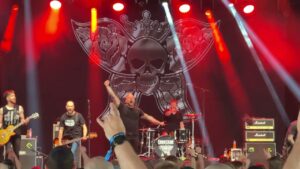
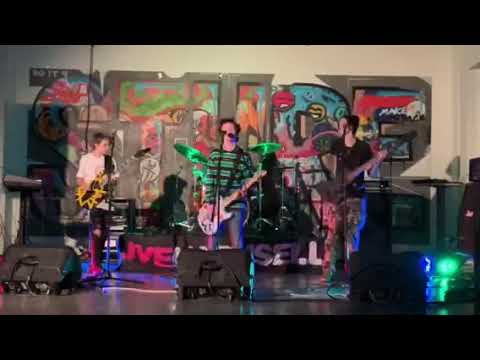
Skara’s live performances remain a testament to their enduring energy and passion. Their ability to engage audiences with their powerful stage presence and thought-provoking lyrics has solidified their status as legends within the punk community.
Conclusion
Skara’s journey from the underground venues of Tokyo to international recognition is a testament to their unwavering dedication to their craft and their ability to adapt and evolve in the face of changing musical landscapes. Their unique blend of punk, hardcore, and traditional Japanese elements has left an indelible mark on the music world, inspiring generations of musicians to follow in their footsteps.
As they continue to create and perform, Skara remains a beacon of hope and defiance for those who seek solace and strength in the transformative power of music. Their legacy is not only defined by their discography but also by their enduring influence on the global punk and hardcore scenes, proving that music can indeed be a force for change and unity.