Refused: A Revolution in Punk and Hardcore
Refused, known in Japanese as レフィジーズ, is a band that has left an indelible mark on the punk and hardcore scenes. Emerging from Sweden in the early 90s, the group has become synonymous with innovation and rebellion, challenging both musical norms and societal issues. This article delves into the formation of the band, their distinctive musical style, influential discography, and lasting legacy.
Formation & Members
Refused was formed in 1991 in Umeå, Sweden, a city known for its vibrant music scene. The original lineup consisted of Dennis Lyxzén on vocals, David Sandström on drums, Pär Hansson on guitar, and Jonas Lindgren on bass. Over time, the lineup evolved, with Kristofer Steen and Jon Brännström joining as guitarists and Magnus Björklund replacing Lindgren on bass. The band was born out of a shared passion for punk music and a desire to challenge the status quo, both musically and politically. Their early days were characterized by relentless touring and a DIY ethos that laid the groundwork for their future success.
Musical Style & Characteristics
Refused is renowned for their genre-blending approach, combining elements of punk, hardcore, and experimental music. Their sound is characterized by aggressive guitar riffs, complex song structures, and politically charged lyrics. The band drew inspiration from a variety of sources, including the raw energy of American hardcore punk and the intellectualism of European avant-garde movements. This unique blend set them apart in the punk scene, allowing them to explore themes of anti-capitalism, individualism, and resistance in their music.
One of the defining characteristics of Refused’s music is their ability to seamlessly integrate different musical influences. They often incorporate elements of jazz, electronic music, and even classical arrangements, creating a sound that is both chaotic and meticulously crafted. This approach not only challenged the conventions of punk music but also expanded the possibilities of what the genre could encompass.
Key Works & Discography
Refused’s discography is a testament to their evolution as a band and their willingness to push boundaries. Their debut album, “This Just Might Be… the Truth” (1994), laid the foundation for their later works, showcasing their raw energy and punk roots. However, it was their third studio album, “The Shape of Punk to Come” (1998), that catapulted them to international acclaim.
“The Shape of Punk to Come” is widely regarded as a masterpiece and a seminal work in the punk and hardcore genres. The album is a bold statement, both musically and lyrically, exploring themes of revolution and resistance. Tracks like “New Noise” and “Refused Are Fucking Dead” exemplify the band’s innovative approach, blending hardcore, jazz, and electronic elements to create a sound that was unlike anything else at the time.
Despite the band’s initial breakup shortly after the release of “The Shape of Punk to Come,” their legacy continued to grow, inspiring countless musicians and bands to follow in their footsteps. In 2015, Refused released “Freedom,” their first album in 17 years, followed by “War Music” in 2019. These later works demonstrated the band’s continued relevance and ability to adapt to the changing musical landscape.
Influence on Other Bands/Scenes
Refused’s influence extends far beyond their own discography, impacting a wide range of artists and genres. Their innovative approach to music and their willingness to challenge norms have inspired bands across the punk, hardcore, and metal scenes. Bands like The Dillinger Escape Plan, Gallows, and Architects have cited Refused as a key influence, particularly in terms of their experimental sound and politically charged lyrics.
The band’s impact is also evident in the broader punk and hardcore scenes, where their emphasis on political activism and social critique has resonated with many musicians and fans. Refused’s legacy is one of challenging authority and advocating for change, a message that continues to inspire new generations of artists and listeners alike.
Breakups or Reunions
Refused has experienced several breakups and reunions throughout their career. The band’s first major breakup occurred in 1998, shortly after the release of “The Shape of Punk to Come.” This decision was influenced by internal tensions and a sense of disillusionment with the music industry. The band members went on to pursue other projects, with Dennis Lyxzén forming The (International) Noise Conspiracy and David Sandström starting the band TEXT.
In 2012, Refused surprised fans by reuniting for a series of live performances, including a highly anticipated set at the Coachella Valley Music and Arts Festival. This reunion was met with widespread excitement and marked a new chapter for the band. In 2015, they released “Freedom,” their first new album in nearly two decades, showcasing their ability to evolve while staying true to their roots.
Current Reputation & Legacy
Today, Refused is regarded as one of the most influential bands in the punk and hardcore scenes. Their willingness to experiment and defy conventions has earned them a dedicated fanbase and critical acclaim. “The Shape of Punk to Come” is frequently cited as a landmark album, influencing countless musicians and continuing to be a touchstone for innovation in the genre.
The band’s commitment to political and social issues remains a core aspect of their identity, resonating with fans who are drawn to their message of resistance and rebellion. Refused’s legacy is one of challenging the status quo and inspiring others to do the same, both in music and in life.
Conclusion
Refused’s journey is a testament to the power of music as a force for change. From their humble beginnings in Umeå to their status as icons in the punk and hardcore scenes, the band has consistently pushed boundaries and challenged conventions. Their innovative sound, politically charged lyrics, and dedication to activism have left a lasting legacy, inspiring generations of musicians and fans alike.
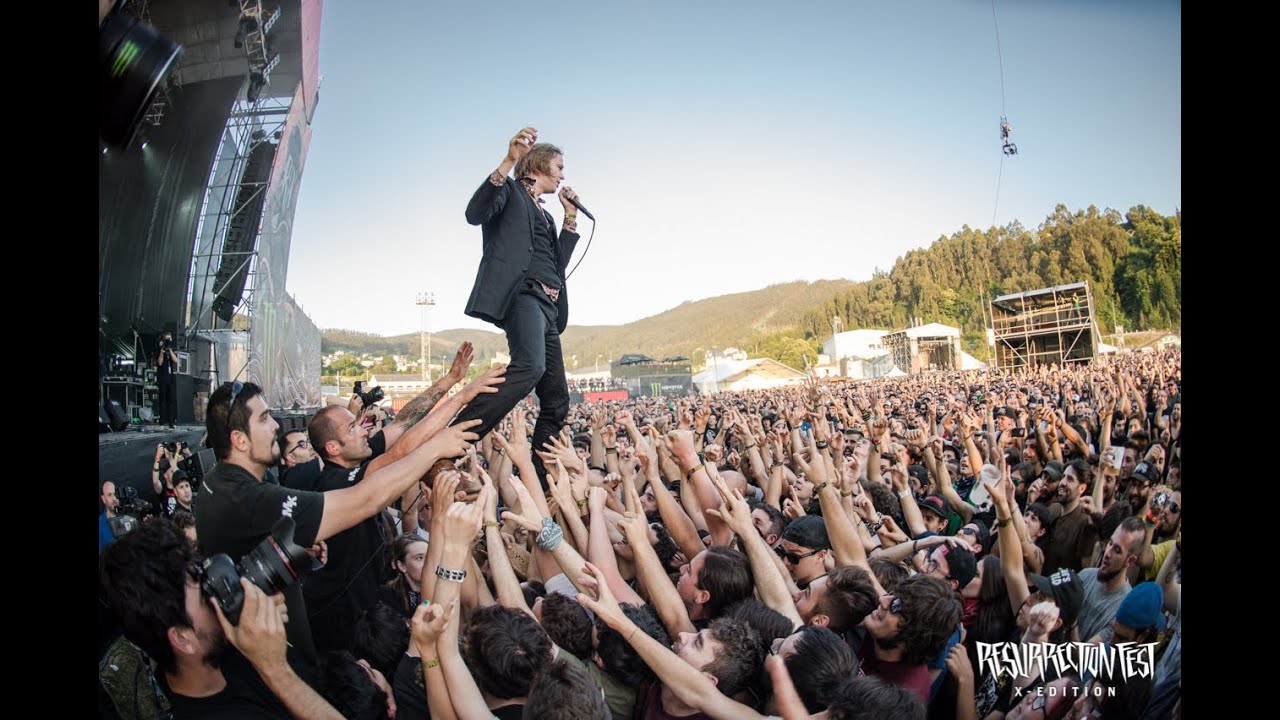
As Refused continues to evolve and adapt, their influence shows no signs of waning. They remain a vital and relevant force in the world of music, a testament to the enduring power of creativity and rebellion. Whether through their groundbreaking albums or their electrifying live performances, Refused continues to inspire and challenge, reminding us all of the transformative potential of music.