
Formation & Members
No Fun At All, often abbreviated as NFAA, is a Swedish punk rock band that emerged from the vibrant Scandinavian music scene in the early 1990s. The band was formed in the small town of Skinnskatteberg in 1991 by guitarist Mikael Danielsson and drummer Kjell Ramstedt. They soon recruited vocalist Ingemar Jansson, bassist Henrik Sunvisson, and second guitarist Christer Johansson to complete the lineup.
The initial members brought together a mix of influences from punk, hardcore, and melodic rock, creating a sound that would soon resonate with fans across Europe and beyond. Over the years, the band has seen some lineup changes, but the core members, especially Danielsson and Jansson, have remained instrumental in maintaining the band’s identity.
Musical Style & Characteristics
No Fun At All is renowned for its fast-paced, energetic sound that blends the raw edge of punk rock with melodic sensibilities. Their music is characterized by catchy hooks, driving guitar riffs, and Jansson’s distinctive, powerful vocals. The band’s lyrics often touch on themes of social issues, personal introspection, and a sense of resistance, resonating deeply with fans who seek both energy and meaning in their music.
What sets NFAA apart is their ability to craft songs that are both aggressive and melodic, a hallmark of the skate punk genre that they helped popularize. Their sound is often compared to that of their Californian counterparts, such as Bad Religion and NOFX, yet they maintain a unique Swedish twist that distinguishes their music.
Key Works & Discography
No Fun At All’s discography is a testament to their enduring appeal and creative prowess. Their debut EP, Vision, released in 1993, quickly gained traction in the underground punk scene and set the stage for their first full-length album, No Straight Angles (1994). This album was a critical success and featured standout tracks such as “Master Celebrator” and “Suicide Machine,” which are still fan favorites today.
Following this, the band released several other notable albums, including Out of Bounds (1995) and The Big Knockover (1997), both of which solidified their reputation as leaders in the punk rock genre. After a brief hiatus, they returned with State of Flow in 2000, showcasing a more mature sound without compromising their trademark energy.
Their more recent works, including Lowrider (2008) and Grit (2018), demonstrate the band’s ability to evolve while staying true to their roots, offering a mix of nostalgia and fresh ideas that continue to captivate audiences.
Influence on Other Bands/Scenes
No Fun At All has had a profound impact on the global punk scene, particularly in Europe and Japan. Their music has inspired countless bands, both within the punk genre and beyond, as they have demonstrated the potential of blending melodic elements with hardcore punk energy. The band’s influence is evident in the works of later Scandinavian punk bands, as well as in the broader skate punk movement that gained momentum in the late ’90s and early 2000s.
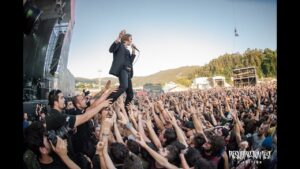
Moreover, their relentless touring and engaging live performances helped spread their influence worldwide, earning them a dedicated fan base and fostering a sense of community among punk enthusiasts across different cultures.
Breakups or Reunions
No Fun At All has experienced several periods of inactivity and lineup changes throughout their career. The band initially disbanded in 2001, a decision that left many fans disappointed but understanding of the challenges facing band members at the time. However, their passion for music and the persistent support from fans led to a reunion in 2004.
Since then, No Fun At All has continued to tour and release new music, albeit with some gaps in their timeline. Their resilience and ability to bounce back have become a defining characteristic of the band, ensuring their continued relevance in the ever-evolving punk scene.
Current Reputation & Legacy
Today, No Fun At All is regarded as one of the seminal bands in the skate punk genre, with a legacy that stretches across multiple decades. They are celebrated for their contributions to the punk scene, both in terms of their musical output and their role in shaping the genre’s development. Despite the shifts in the music industry and changes within the band, NFAA remains a beloved fixture in the punk community.
Their music continues to be discovered by new generations of fans, and their live performances are hailed for their energy and authenticity. No Fun At All’s legacy is not just in their discography but also in the spirit of independence and creativity that they inspire in others.
Conclusion
No Fun At All’s journey is a testament to the enduring power of punk music and the community it fosters. From their humble beginnings in Sweden to their status as influential figures in the global punk scene, the band has navigated the challenges of time, trends, and personal changes with resilience and integrity. Their music, characterized by its vibrant energy and melodic charm, continues to resonate with audiences worldwide, ensuring that No Fun At All’s legacy will endure for years to come.