Formation & Members
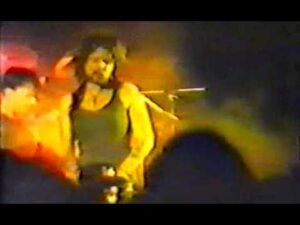
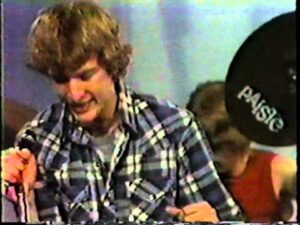
Slaughter and the Dogs, often recognized as a pivotal band in the punk rock movement, were formed in 1975 in the gritty streets of Manchester, England. This iconic group was birthed from the shared vision of childhood friends Wayne Barrett (vocals) and Mick Rossi (guitar). The band’s lineup also included Howard ‘Zip’ Bates on bass and Brian ‘Mad Muffet’ Grantham on drums. The name Slaughter and the Dogs was inspired by Barrett’s fondness for Mick Ronson’s solo album “Slaughter on 10th Avenue” and the glam rock influence of David Bowie, particularly the song “Diamond Dogs”. The band was among the first to bring the raw energy of punk to the Manchester music scene, setting the stage for the burgeoning punk movement in the UK.
Musical Style & Characteristics
Slaughter and the Dogs are celebrated for their high-octane energy and a unique blend of punk rock with a distinctive glam rock flair. Their sound is characterized by Barrett’s snarling vocals, Rossi’s sharp and infectious guitar riffs, and a powerful rhythm section that drove their tracks with relentless energy. Their music often echoes the raw, stripped-down ethos of early punk, but with an added melodic sophistication that hints at their glam rock influences. The band’s lyrics frequently explore themes of youthful rebellion, societal critique, and working-class struggles, resonating with the disenchanted youth of the era.
Key Works & Discography
Slaughter and the Dogs released their debut single, “Cranked Up Really High,” in 1977, which quickly became an anthem of the punk genre. The single’s success led to their signing with Decca Records, through which they released their first album, “Do It Dog Style,” in 1978. This album is often regarded as a classic within the punk community, featuring tracks like “Where Have All the Boot Boys Gone?” and “Dame to Blame,” which encapsulated the raw energy and rebellious spirit of the band.
Following their debut, the band experienced several lineup changes and released a series of albums and compilations, including “Bite Back” in 1980 and “Vicious” in 1996, which showcased their evolution and resilience in the punk scene. Their discography, while not extensive, has left a significant impact, with each release contributing uniquely to the punk lexicon.
Influence on Other Bands/Scenes
Slaughter and the Dogs hold a revered place in the pantheon of punk rock history, influencing a host of bands that followed. Their early shows, often supporting acts like the Sex Pistols, helped to galvanize the punk scene in Manchester, inspiring a generation of musicians. Bands such as The Smiths and The Stone Roses have acknowledged the influence of Slaughter and the Dogs, particularly in terms of their raw sound and working-class ethos. Their music not only contributed to the proliferation of punk in the UK but also influenced the burgeoning punk scenes in Europe and beyond.
Breakups or Reunions
Like many bands of their era, Slaughter and the Dogs experienced several breakups and reunions throughout their career. After initial successes, the band faced internal tensions and changes in lineup, leading to their first disbandment in the early 1980s. However, their legacy continued to attract interest, prompting several reunions over the years. Notably, they regrouped in the mid-1990s, resulting in new material and live performances. These reunions were often met with enthusiasm from both old fans and new listeners eager to experience the authentic energy of one of punk rock’s trailblazers.
Current Reputation & Legacy
Today, Slaughter and the Dogs are celebrated as pioneers of the punk rock movement, with a legacy that continues to influence musicians across genres. Their music is often cited in discussions about the origins and evolution of punk, and they are frequently included in compilations of essential punk rock music. The band’s ability to blend the raw energy of punk with elements of glam rock has earned them a unique place in music history, often serving as a bridge between different musical styles and eras.
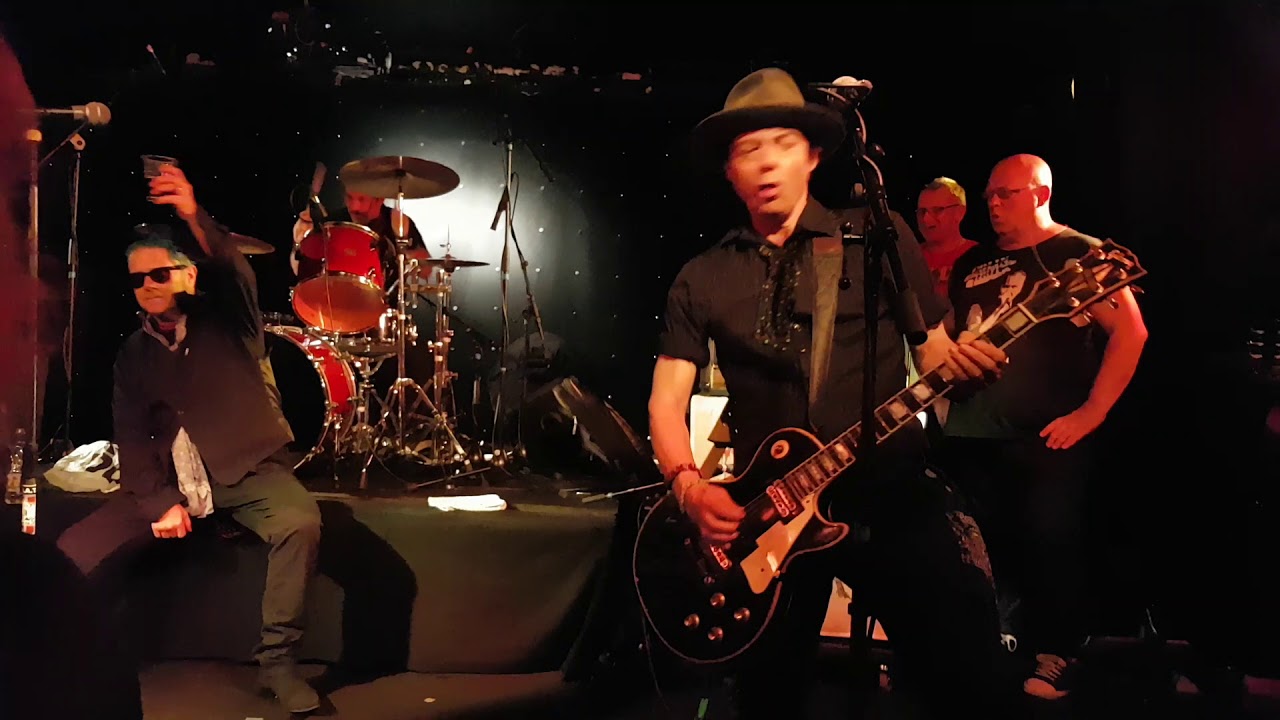
In recent years, Slaughter and the Dogs have maintained a presence in the music scene, performing at festivals and events that celebrate the history and culture of punk rock. Their continued relevance and the enduring appeal of their music is a testament to the lasting impact they have had on the genre.
Conclusion
Slaughter and the Dogs remain a seminal force in the history of punk rock, their influence extending far beyond their initial heyday in the late 1970s. With a distinctive sound that fused punk’s raw power with glam rock’s theatrical flair, they captured the spirit of an era marked by rebellion and change. Despite the challenges and changes they faced, the band has endured, continuing to inspire new generations of musicians and fans alike. As the story of punk continues to be written, Slaughter and the Dogs stand as a testament to the genre’s enduring spirit and transformative power.