Formation & Members
Die Toten Hosen, often translated as “The Dead Trousers,” is a German punk rock band that has been a staple of the genre since its formation in 1982. Originating from Düsseldorf, the band was established by a group of friends who were deeply embedded in the local punk scene. The founding members included vocalist Campino (Andreas Frege), guitarists Andreas von Holst and Michael Breitkopf, bassist Andreas Meurer, and drummer Trini Trimpop. Over the years, the lineup has seen a few changes, most notably the replacement of Trimpop with Wolfgang Rohde in 1985, and later by Vom Ritchie in 1998. Despite these changes, the core of the band has remained remarkably stable, maintaining a strong camaraderie that has fueled their enduring success.
Musical Style & Characteristics
Die Toten Hosen’s musical style is deeply rooted in punk rock, characterized by high-energy performances, catchy melodies, and rebellious lyrics. Their sound is a unique blend of classic punk rock influences, including bands like The Ramones and The Clash, with a distinctly German twist. The band is known for their anthemic choruses and socially conscious lyrics that often address political issues, personal struggles, and the human experience. Over the decades, Die Toten Hosen has expanded their sound to incorporate elements of rock, pop, and even folk, demonstrating a versatility that has helped them remain relevant across generations.
Key Works & Discography
Die Toten Hosen’s discography is extensive, with numerous studio albums, live recordings, and compilations. Their debut album, “Opel-Gang,” released in 1983, set the stage for their rise in the German punk scene. The follow-up, “Unter falscher Flagge” (1984), solidified their reputation with hits like “Liebesspieler.” In 1988, they released “Ein kleines bisschen Horrorschau,” which featured the hit single “Hier kommt Alex,” inspired by “A Clockwork Orange.” This album marked a turning point, garnering international attention.
Die Toten Hosen reached new heights with the release of “Kauf MICH!” in 1993, which included the popular tracks “Alles aus Liebe” and the title track “Kauf MICH!” The album’s critical and commercial success cemented their status as one of Germany’s leading bands. In 2002, they released “Auswärtsspiel,” featuring “Kein Alkohol (ist auch keine Lösung)!” which became an anthem for many fans.
More recent works such as “Ballast der Republik” (2012) and “Laune der Natur” (2017) have continued to showcase their ability to blend punk energy with mature songwriting. Their discography is a testament to their artistic evolution and enduring appeal.
Influence on Other Bands/Scenes
Die Toten Hosen’s influence extends far beyond their music. They have been pivotal in shaping the German punk and rock scenes, inspiring countless bands with their sound and ethos. Their commitment to social and political issues has also resonated with fans and musicians alike, encouraging a culture of activism within the punk community. Bands like Die Ärzte and Wizo have cited Die Toten Hosen as an influence, acknowledging their role in popularizing punk rock in Germany and beyond.
Furthermore, Die Toten Hosen have been instrumental in bringing punk rock to mainstream audiences in Europe, bridging the gap between underground and popular music. Their international tours and collaborations have helped introduce German punk to a broader audience, influencing scenes as far afield as South America and Japan, where they enjoy a significant fan base.
Breakups or Reunions
Unlike many bands that formed in the early 1980s, Die Toten Hosen have never officially broken up. They have maintained a continuous presence in the music scene, characterized by their dedication to touring and recording. The band’s ability to adapt to changing musical landscapes while staying true to their punk roots has been key to their longevity.
There have been moments of hiatus, typically to allow members to pursue individual projects or to take a well-deserved break from their rigorous touring schedule. However, these pauses have only reinforced their bond and creativity, leading to successful comebacks with new material and renewed energy.
Current Reputation & Legacy
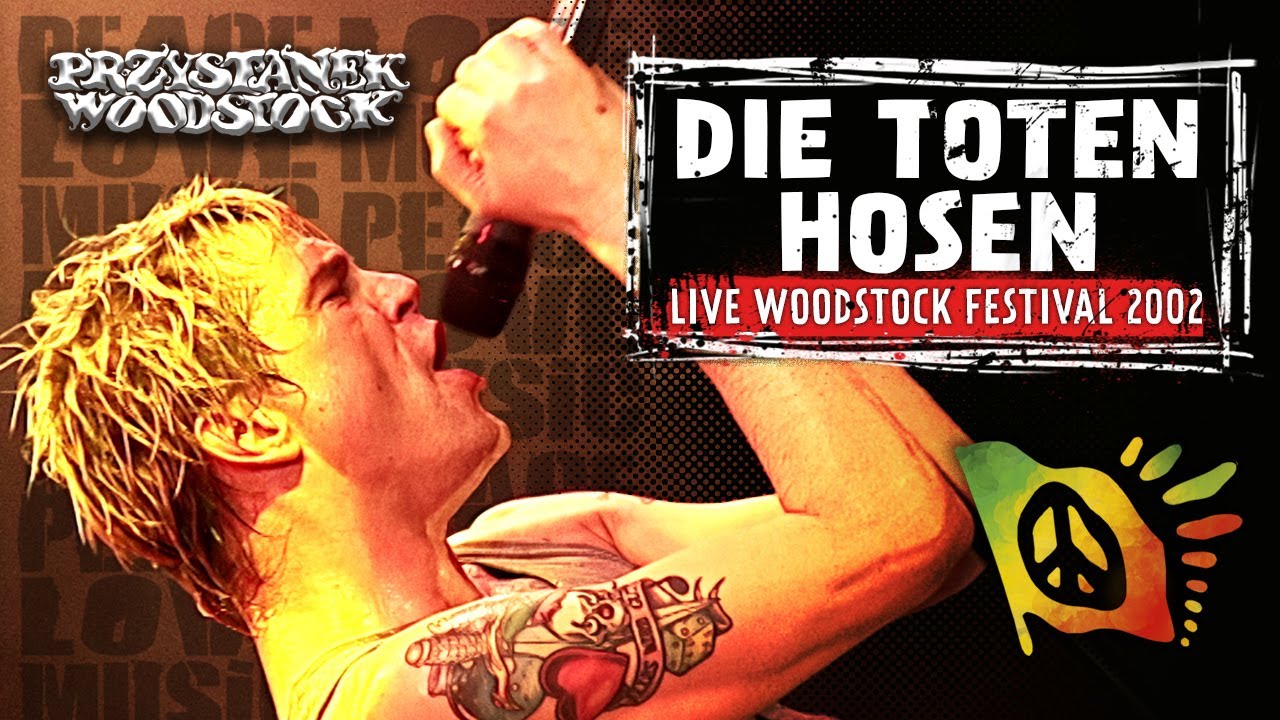
Today, Die Toten Hosen are considered legends of German rock music. Their reputation as one of the most successful and enduring punk bands in Europe is well-deserved. They are celebrated not only for their music but also for their contributions to social causes and their unwavering commitment to their principles. The band’s live performances remain as dynamic and engaging as ever, attracting audiences of all ages.
Die Toten Hosen’s legacy is evident in their extensive discography, numerous awards, and the countless bands they have influenced. They have successfully navigated the challenges of a changing music industry, maintaining their relevance and popularity over four decades. Their ability to connect with fans on a personal level has ensured their lasting impact in the hearts of many.
Conclusion
Die Toten Hosen’s journey from the punk underground to international acclaim is a testament to their resilience, talent, and passion. Their music continues to inspire and energize new generations of fans, while their influence on the punk and rock scenes remains profound. As they continue to evolve and create, Die Toten Hosen embody the spirit of punk rock: rebellious, unyielding, and eternally relevant.