Formation & Members
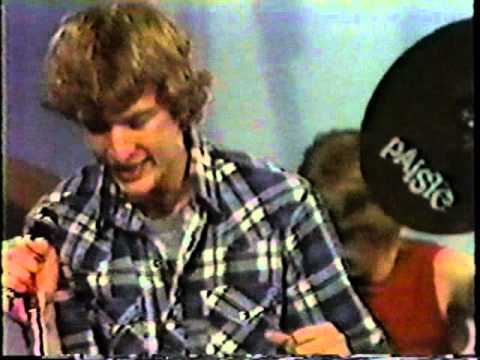
Die Kreuzen, a band whose name translates to “The Crosses” in German, emerged from the vibrant punk scene of the early 1980s. Formed in 1981 in Milwaukee, Wisconsin, the band quickly established itself as a force in the hardcore punk world. The original lineup consisted of Dan Kubinski on vocals, Keith Brammer on bass, Brian Egeness (also known as Brian Tenses) on guitar, and Erik Tunison on drums. The four members developed a tight-knit chemistry that would drive their innovative sound and relentless energy.
Musical Style & Characteristics
Die Kreuzen’s music is characterized by a blend of hardcore punk’s raw intensity and a more experimental approach that drew from various influences. Their sound was aggressive yet layered, combining fast-paced rhythms with intricate guitar work and Kubinski’s distinct vocal style. The band’s music often defied easy categorization, incorporating elements of metal, avant-garde, and post-punk. This eclectic mix set them apart from their contemporaries and allowed them to continually evolve their sound throughout their career.
Key Works & Discography
Die Kreuzen’s discography is a testament to their innovation and impact on the punk and hardcore scenes. Their self-titled debut album, released in 1984, is a landmark of the genre. It features tracks like “Think for Me” and “In School,” which showcase their unique blend of intense punk energy and complex musicality.
In 1986, the band released “October File,” an album that marked a significant shift in their sound. It incorporated more post-punk and alternative rock elements, demonstrating the band’s willingness to explore new musical territories. Tracks such as “It’s Been So Long” and “Elizabeth” highlighted their evolving style and lyrical depth.
Their third album, “Century Days” (1988), continued this progression with a more polished production. Songs like “Lean Into It” and “These Days” showcased their ability to craft engaging and dynamic compositions while maintaining their hardcore roots.
The band’s final studio album, “Cement” (1991), further explored alternative rock and metal influences, solidifying their reputation as pioneers of genre-blending. While it marked the end of their studio recordings, the album left a lasting impact on their fans and fellow musicians.
Influence on Other Bands/Scenes
Die Kreuzen’s influence extends far beyond their own recordings. Their innovative approach to punk and hardcore inspired a wide array of bands and artists across genres. Their willingness to push boundaries and experiment with different sounds resonated with musicians looking to break free from traditional genre constraints.
Notably, Die Kreuzen’s impact can be seen in the works of bands like Nirvana and Soundgarden, who cited them as an influence during the rise of grunge in the late 1980s and early 1990s. Their experimental nature and genre-blending approach paved the way for alternative rock and post-hardcore bands that followed.
Breakups or Reunions
Die Kreuzen officially disbanded in 1992, following the release of “Cement.” The decision came as the members pursued different creative and personal paths. However, their legacy continued to grow, and interest in their music persisted over the years.
In 2012, Die Kreuzen reunited for a series of live performances, reigniting enthusiasm among their dedicated fanbase. The reunion included appearances at major music festivals and select shows, offering fans a rare opportunity to experience their dynamic live energy once again.
Current Reputation & Legacy
Today, Die Kreuzen is revered as a pioneering force in the punk and hardcore scenes. Their fearless experimentation and refusal to adhere to genre limitations have earned them a lasting place in the annals of music history. They are frequently cited in discussions about influential bands that shaped the trajectory of punk and alternative music.
Their albums continue to be celebrated by critics and fans alike, with reissues and retrospectives highlighting their enduring impact. Die Kreuzen’s ability to seamlessly blend aggression with artistry remains a benchmark for bands aiming to innovate within the punk and hardcore genres.
Conclusion
Die Kreuzen’s journey from the Milwaukee punk scene to becoming a seminal influence on alternative music is a testament to their creativity and resilience. Their ability to challenge musical norms and inspire countless artists speaks to their profound impact on the world of punk and beyond. As they continue to be celebrated by new generations of musicians and fans, Die Kreuzen’s legacy as trailblazers and innovators remains firmly intact.